
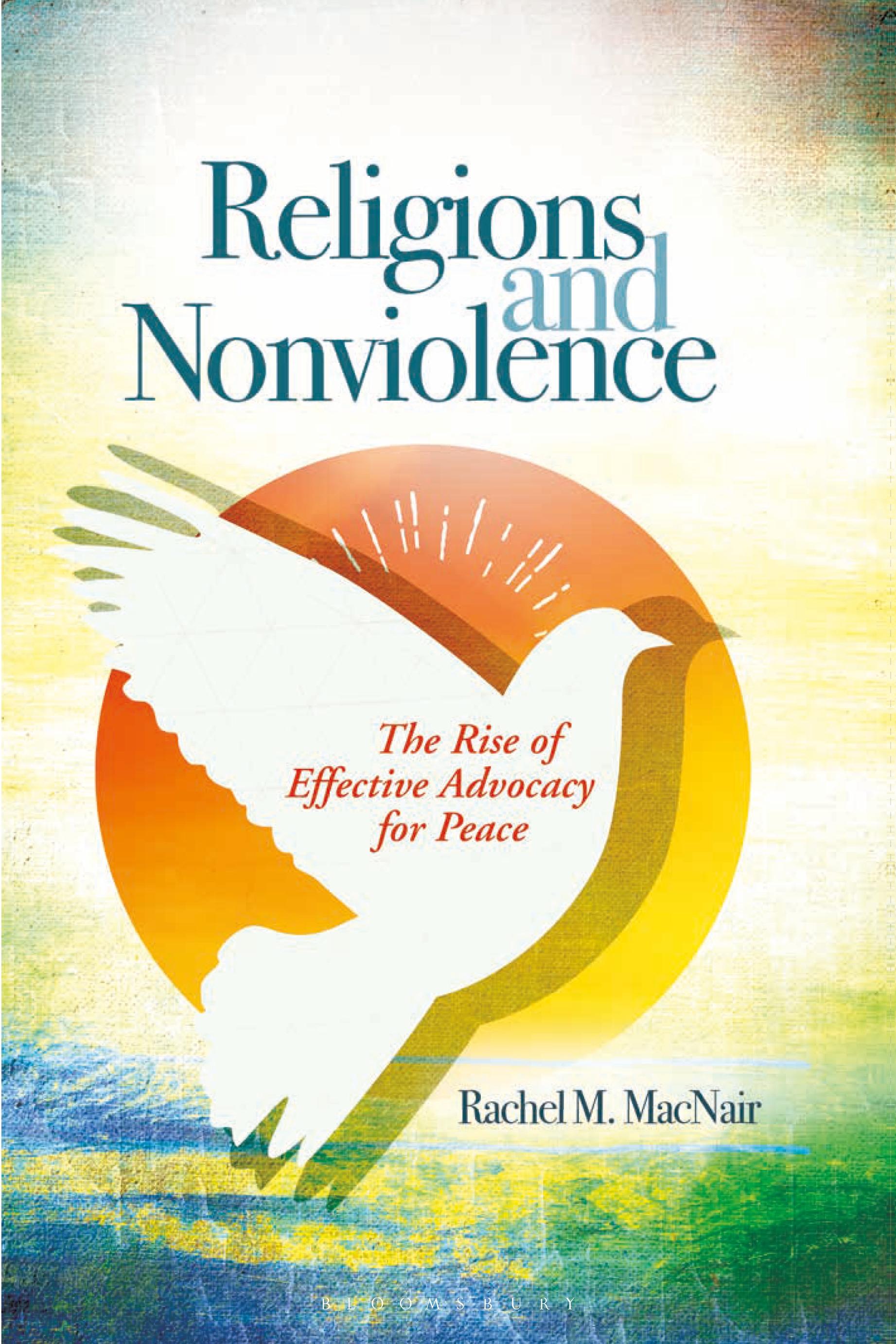
Covering the nonviolence traditions in all the major religions as well as the contributions of religious traditions to major nonviolent practices, this book addresses theories of nonviolence, considers each religion individually, and highlights what discrete religious perspectives have in common.
Covering all the major-and some of the larger minor-religions of the world, Religions and Nonviolence: The Rise of Effective Advocacy for Peace examines the rich history of how human thinking on nonviolence has developed and what each religion offers to the theory and practice of nonviolence, providing a counterpoint to the perspective that religion has largely inspired violence and intolerance. It also traces the contributions of religious traditions to secular nonviolent practices, recognizes and explains why religion has historically inspired violence, and provides additional resources for investigating the crossroads of religion and advocacy of nonviolence and peace.
The author addresses the nonviolence traditions in religions such as Bahai, Buddhism, Christianity, Ethical Atheism, the First Nations of North America, Judaism, Hinduism, Islam, Sikhism, Tenrikyo, and Revitalized Paganism. Ancient religions with important contributions to nonviolence-Zoroastrianism, Taoism, and Jainism-receive attention, as do Mo Tse and other Chinese philosophers as well as Pythagoras and other classical Greek thinkers. Students of religion, history of religion, sociology, or psychology will find this book key to achieving a balanced and therefore more accurate understanding of both religion and history. General readers will gain insights into the commonalities among different religions as well as each major religion's historical and current stances on issues of violence, such as human or animal sacrifice, slavery, war, and the death penalty.
Covering all the major-and some of the larger minor-religions of the world, Religions and Nonviolence: The Rise of Effective Advocacy for Peace examines the rich history of how human thinking on nonviolence has developed and what each religion offers to the theory and practice of nonviolence, providing a counterpoint to the perspective that religion has largely inspired violence and intolerance. It also traces the contributions of religious traditions to secular nonviolent practices, recognizes and explains why religion has historically inspired violence, and provides additional resources for investigating the crossroads of religion and advocacy of nonviolence and peace.
The author addresses the nonviolence traditions in religions such as Bahai, Buddhism, Christianity, Ethical Atheism, the First Nations of North America, Judaism, Hinduism, Islam, Sikhism, Tenrikyo, and Revitalized Paganism. Ancient religions with important contributions to nonviolence-Zoroastrianism, Taoism, and Jainism-receive attention, as do Mo Tse and other Chinese philosophers as well as Pythagoras and other classical Greek thinkers. Students of religion, history of religion, sociology, or psychology will find this book key to achieving a balanced and therefore more accurate understanding of both religion and history. General readers will gain insights into the commonalities among different religions as well as each major religion's historical and current stances on issues of violence, such as human or animal sacrifice, slavery, war, and the death penalty.
Betala smidigt med kort, Klarna, Apple Pay eller Google Pay. Är du inte nöjd har du alltid 14 dagars ångerrätt. Läs mer i våra villkor. Har du några frågor, mejla oss på hello@memmo.org.
Memmo gör det enklare att plugga – var du än är i världen. Hos oss samlar du kursböcker och smarta studieverktyg på ett och samma ställe: sammanfattningar, quiz, poddar och flashcards. Och så Ted, din studiekompis som svarar på allt du undrar. Över 50 000 studenter pluggar redan här – byggt för att du ska lära dig snabbare och stressa mindre.