
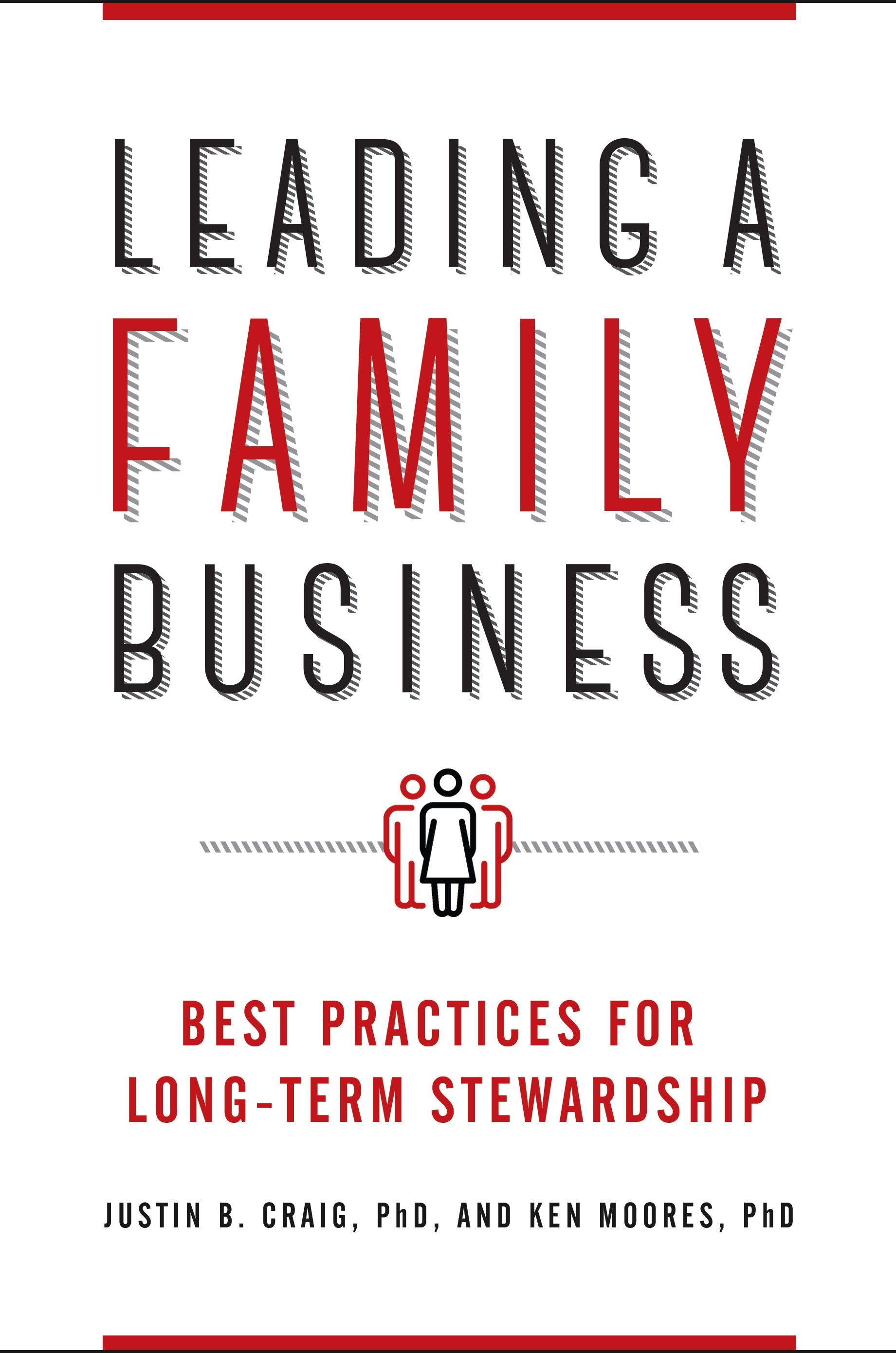
Based on insights from executives across the globe, this planning guide captures the unique challenges faced by leaders of a family business and presents an approach to help these operations survive and thrive across generations.
Leading a company is a much different experience for those in a family-run business than for their contemporaries in nonfamilial environments. This book provides a comprehensive overview of the skill set and mindset required to lead family enterprises, and it introduces the four critical areas in which family businesses differ from traditional companies—management structures, governance mechanisms, entrepreneurial advantages, and stewardship practices.
In a fascinating convergence of entrepreneurship, family relations, and corporate principles, the authors present two frameworks to better understand the best practices of leading a family business: a firm-level frame focused on these four critical areas of difference (architecture, governance, entrepreneurship, and stewardship) and an individual one that mirrors these in terms of the skill set and mindset successful leaders need to develop. Craig and Moores consider the differences between leadership in family enterprises and non-family enterprises; the entrepreneurial capabilities needed by executives in family-based firms; and the use of power, identification, and motivation in managing their responsibilities both at home and in the workplace. Case studies provide a real-life look at the inner workings of family operations across the globe.
Leading a company is a much different experience for those in a family-run business than for their contemporaries in nonfamilial environments. This book provides a comprehensive overview of the skill set and mindset required to lead family enterprises, and it introduces the four critical areas in which family businesses differ from traditional companies—management structures, governance mechanisms, entrepreneurial advantages, and stewardship practices.
In a fascinating convergence of entrepreneurship, family relations, and corporate principles, the authors present two frameworks to better understand the best practices of leading a family business: a firm-level frame focused on these four critical areas of difference (architecture, governance, entrepreneurship, and stewardship) and an individual one that mirrors these in terms of the skill set and mindset successful leaders need to develop. Craig and Moores consider the differences between leadership in family enterprises and non-family enterprises; the entrepreneurial capabilities needed by executives in family-based firms; and the use of power, identification, and motivation in managing their responsibilities both at home and in the workplace. Case studies provide a real-life look at the inner workings of family operations across the globe.
Betala smidigt med kort, Klarna, Apple Pay eller Google Pay. Är du inte nöjd har du alltid 14 dagars ångerrätt. Läs mer i våra villkor. Har du några frågor, mejla oss på hello@memmo.org.
Memmo gör det enklare att plugga – var du än är i världen. Hos oss samlar du kursböcker och smarta studieverktyg på ett och samma ställe: sammanfattningar, quiz, poddar och flashcards. Och så Ted, din studiekompis som svarar på allt du undrar. Över 50 000 studenter pluggar redan här – byggt för att du ska lära dig snabbare och stressa mindre.