
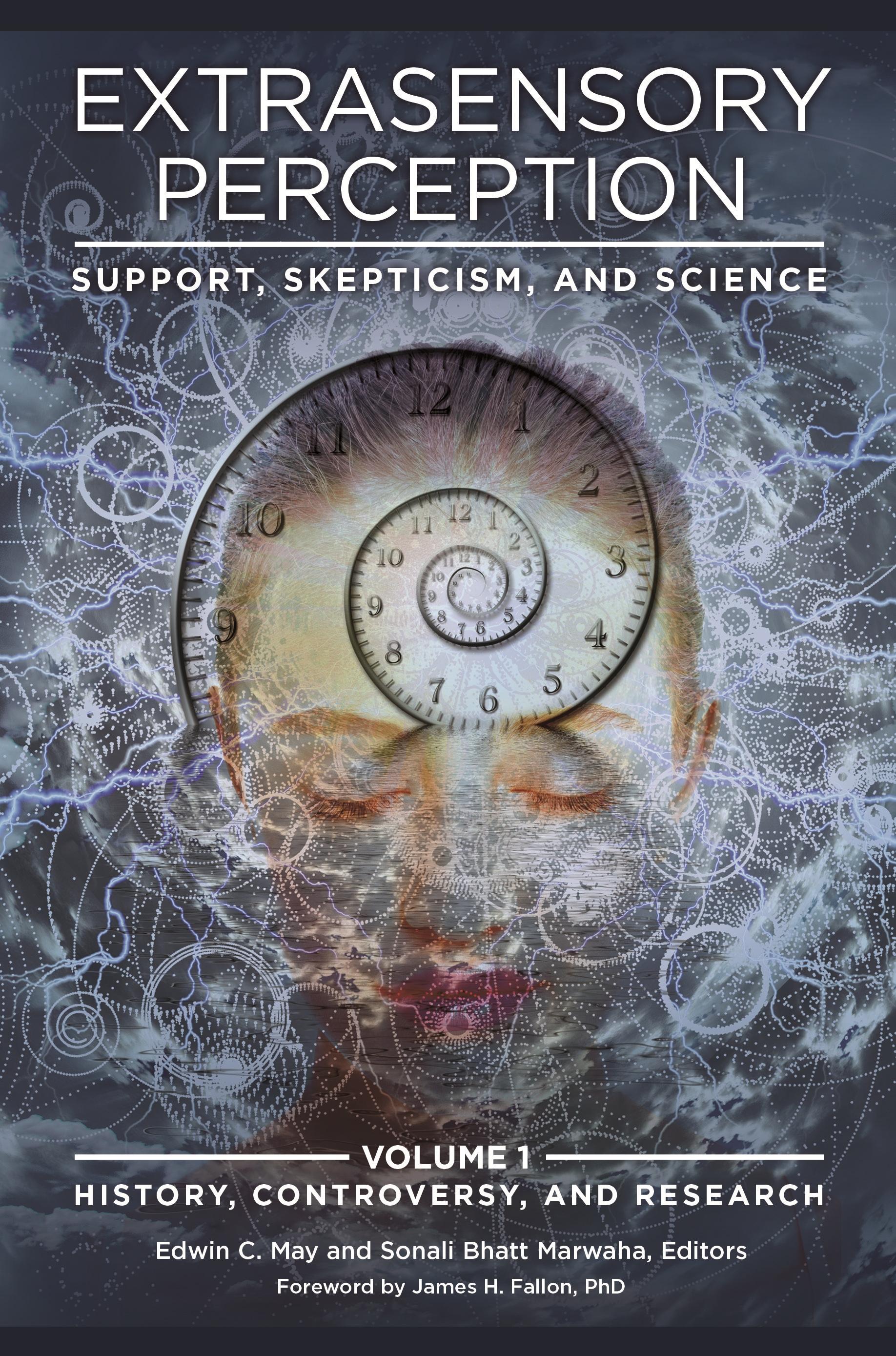
Scholars from around the world collaborate to explain the history of parapsychology, the study of extrasensory perception (ESP), and the arguments of skeptics and supporters in this fascinating collection.
This two-volume set introduces ESP—also known as anomalous cognition—and psychokinesis, addressing the history, research, philosophy, and scientific theories surrounding the phenomena. With contributions from leading research scientists from within the field of parapsychology and other areas of study, this reference addresses the fundamental questions that the evidence of ESP evokes; examines parapsychology research from all over the world; and explores the controversies, skepticism, and contemporary criticism disparaging the field.
Written for a multidisciplinary audience ranging from physicists to psychologists to lay persons, the volumes present the scientific validity of the field. Volume 1 addresses the historical, philosophical, skeptical, and research viewpoints; volume 2 lays out the current theories on ESP. Chapters reveal how strict scientific protocols and state-of-the-art technologies enable scientists—at sites such as Harvard and Cornell universities to their international counterparts in Amsterdam, Austria, and Asia—to pinpoint and investigate ESP abilities. Appendices include a glossary of key terms in parapsychology, ESP research protocol, ESP research organizations, skeptic associations, and recommended reading.
This two-volume set introduces ESP—also known as anomalous cognition—and psychokinesis, addressing the history, research, philosophy, and scientific theories surrounding the phenomena. With contributions from leading research scientists from within the field of parapsychology and other areas of study, this reference addresses the fundamental questions that the evidence of ESP evokes; examines parapsychology research from all over the world; and explores the controversies, skepticism, and contemporary criticism disparaging the field.
Written for a multidisciplinary audience ranging from physicists to psychologists to lay persons, the volumes present the scientific validity of the field. Volume 1 addresses the historical, philosophical, skeptical, and research viewpoints; volume 2 lays out the current theories on ESP. Chapters reveal how strict scientific protocols and state-of-the-art technologies enable scientists—at sites such as Harvard and Cornell universities to their international counterparts in Amsterdam, Austria, and Asia—to pinpoint and investigate ESP abilities. Appendices include a glossary of key terms in parapsychology, ESP research protocol, ESP research organizations, skeptic associations, and recommended reading.
Betala smidigt med kort, Klarna, Apple Pay eller Google Pay. Är du inte nöjd har du alltid 14 dagars ångerrätt. Läs mer i våra villkor. Har du några frågor, mejla oss på hello@memmo.org.
Memmo gör det enklare att plugga – var du än är i världen. Hos oss samlar du kursböcker och smarta studieverktyg på ett och samma ställe: sammanfattningar, quiz, poddar och flashcards. Och så Ted, din studiekompis som svarar på allt du undrar. Över 50 000 studenter pluggar redan här – byggt för att du ska lära dig snabbare och stressa mindre.