
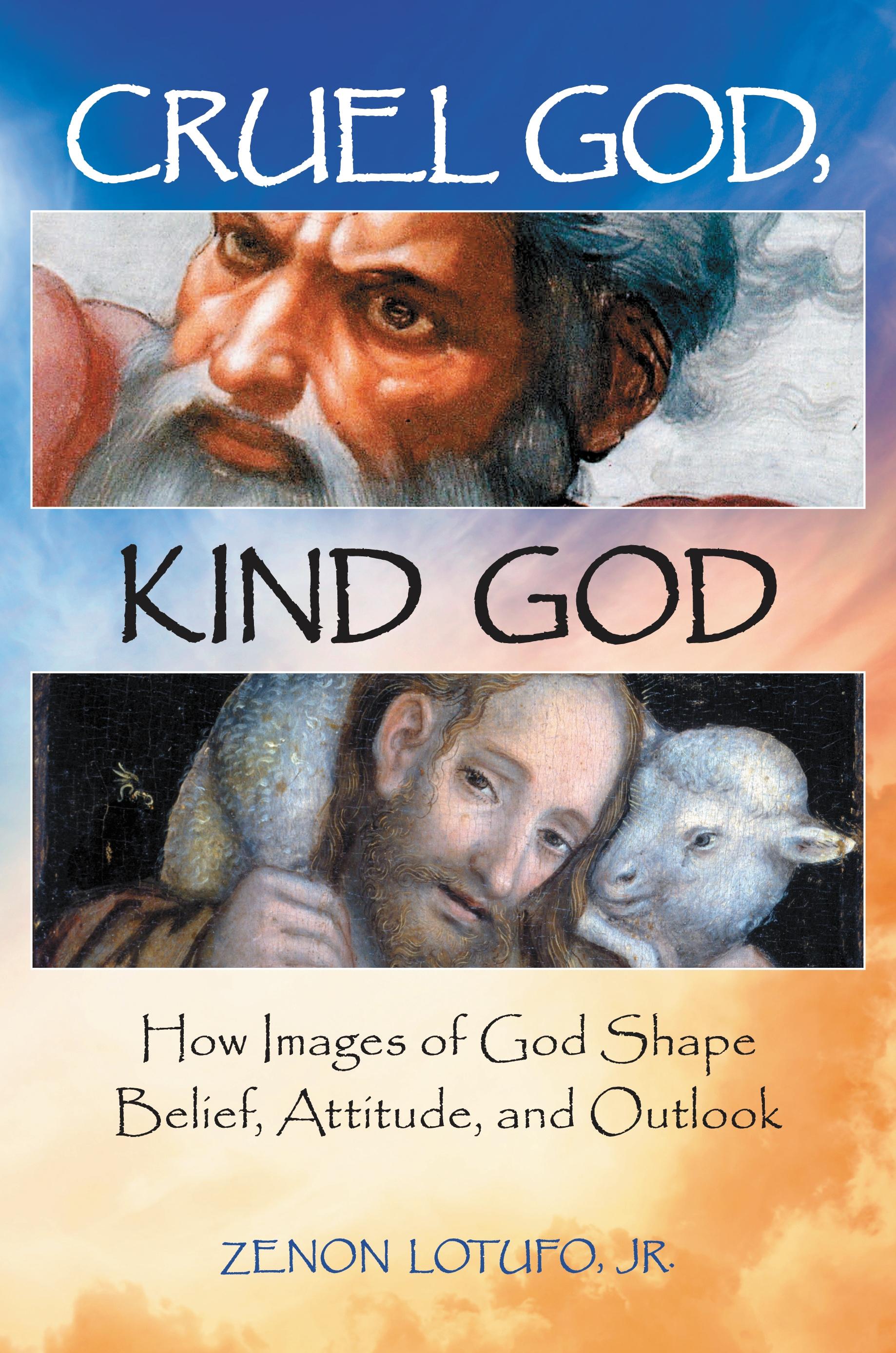
This enlightening analysis of the image of a cruel God sustained by conservative Christianity reveals how this image formed, the psychological effects of this concept, and the ways in which it has guided religious individuals—in both positive and negative ways.
This book is born, in large measure, as a result of a writing by contemporary theologian J. Harold Ellens. In his essay "Religious Metaphors Can Kill" from Praeger's The Destructive Power of Religion, Ellens espouses that theological doctrines are rooted in a model of God that determines all the aspects of those doctrines, and strongly influences the cultures into which it is inserted. Conservative Christianity in the Western world, says Ellens, has at its center the image of a cruel and wrathful God. The juridical atonement theory of Anselm is a result of such an image of God, and has an important role in justifying the resort to violence in human interaction.
Starting from these considerations, Cruel God, Kind God: How Images of God Shape Belief, Attitude, and Outlook analyzes three general topics: how two very different kinds of Christianities have emerged from these disparate images of God; how the doctrines of "original sin," "the plan of salvation," and "penal substitution" can be explained by psychological factors, as can the wide dissemination and acceptance of these doctrines; and how the image of a cruel God affects mental health, atrophies personality, and produces guilt and shame.
This book is born, in large measure, as a result of a writing by contemporary theologian J. Harold Ellens. In his essay "Religious Metaphors Can Kill" from Praeger's The Destructive Power of Religion, Ellens espouses that theological doctrines are rooted in a model of God that determines all the aspects of those doctrines, and strongly influences the cultures into which it is inserted. Conservative Christianity in the Western world, says Ellens, has at its center the image of a cruel and wrathful God. The juridical atonement theory of Anselm is a result of such an image of God, and has an important role in justifying the resort to violence in human interaction.
Starting from these considerations, Cruel God, Kind God: How Images of God Shape Belief, Attitude, and Outlook analyzes three general topics: how two very different kinds of Christianities have emerged from these disparate images of God; how the doctrines of "original sin," "the plan of salvation," and "penal substitution" can be explained by psychological factors, as can the wide dissemination and acceptance of these doctrines; and how the image of a cruel God affects mental health, atrophies personality, and produces guilt and shame.
Betala smidigt med kort, Klarna, Apple Pay eller Google Pay. Är du inte nöjd har du alltid 14 dagars ångerrätt. Läs mer i våra villkor. Har du några frågor, mejla oss på hello@memmo.org.
Memmo gör det enklare att plugga – var du än är i världen. Hos oss samlar du kursböcker och smarta studieverktyg på ett och samma ställe: sammanfattningar, quiz, poddar och flashcards. Och så Ted, din studiekompis som svarar på allt du undrar. Över 50 000 studenter pluggar redan här – byggt för att du ska lära dig snabbare och stressa mindre.