
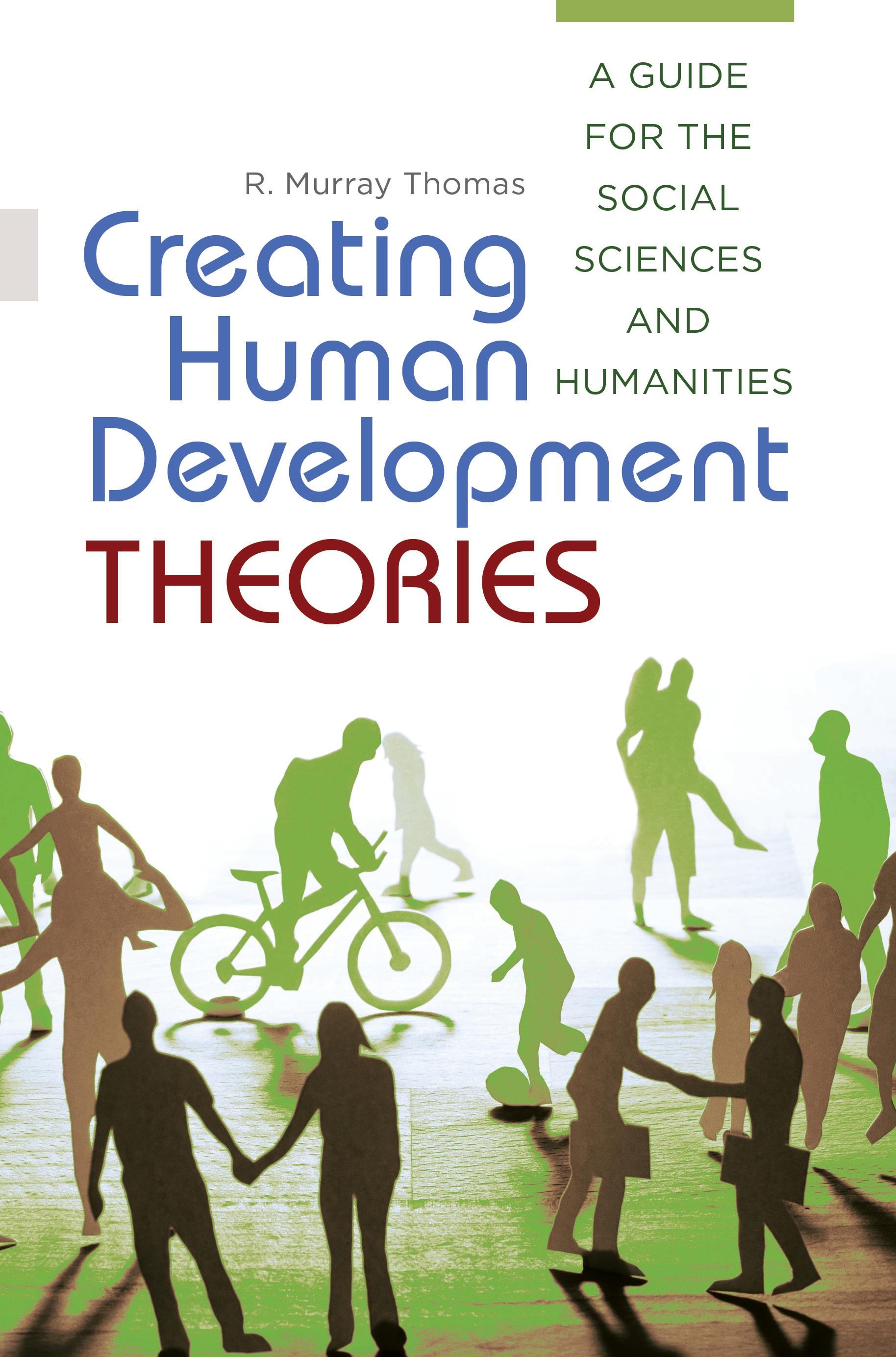
How—and why—do humans develop as they do? This book clearly explains the key components of human development theories and describes how to compose novel theories regarding this age-old puzzle.
As college students progress through bachelor's degree programs and then advance to their master's degree theses and doctoral dissertations, they are bombarded with studies of countless theories, often adopting some author's theory for interpreting information about human development, even when the theory does not precisely meet their needs. One way to solve the problem—a way especially tuned to the current classroom push for creative, critical thinking—is for the student to create his or her own theory. Unfortunately, even students as high as the doctoral level often don't understand how to create a well-ordered, workable theory of their own—a crucial gap in their "critical thinking" skillsets. This book is the solution to that specific problem. In these pages, in clear and detailed steps, is a complete explanation for developing a theory.
The book addresses key topics such as attention to need, population, basic assumptions, key terms, causes and stages, interpreting evidence, and applications. Author R. Murray Thomas—a well-known and highly respected elder in the social sciences—also details five illustrative theories, covering their history and providing insights about how they were developed. This work will be valuable to students of psychology, human development, child development, and theory as well as those in other disciplines seeking an understanding of theory building.
As college students progress through bachelor's degree programs and then advance to their master's degree theses and doctoral dissertations, they are bombarded with studies of countless theories, often adopting some author's theory for interpreting information about human development, even when the theory does not precisely meet their needs. One way to solve the problem—a way especially tuned to the current classroom push for creative, critical thinking—is for the student to create his or her own theory. Unfortunately, even students as high as the doctoral level often don't understand how to create a well-ordered, workable theory of their own—a crucial gap in their "critical thinking" skillsets. This book is the solution to that specific problem. In these pages, in clear and detailed steps, is a complete explanation for developing a theory.
The book addresses key topics such as attention to need, population, basic assumptions, key terms, causes and stages, interpreting evidence, and applications. Author R. Murray Thomas—a well-known and highly respected elder in the social sciences—also details five illustrative theories, covering their history and providing insights about how they were developed. This work will be valuable to students of psychology, human development, child development, and theory as well as those in other disciplines seeking an understanding of theory building.
Betala smidigt med kort, Klarna, Apple Pay eller Google Pay. Är du inte nöjd har du alltid 14 dagars ångerrätt. Läs mer i våra villkor. Har du några frågor, mejla oss på hello@memmo.org.
Memmo gör det enklare att plugga – var du än är i världen. Hos oss samlar du kursböcker och smarta studieverktyg på ett och samma ställe: sammanfattningar, quiz, poddar och flashcards. Och så Ted, din studiekompis som svarar på allt du undrar. Över 50 000 studenter pluggar redan här – byggt för att du ska lära dig snabbare och stressa mindre.