
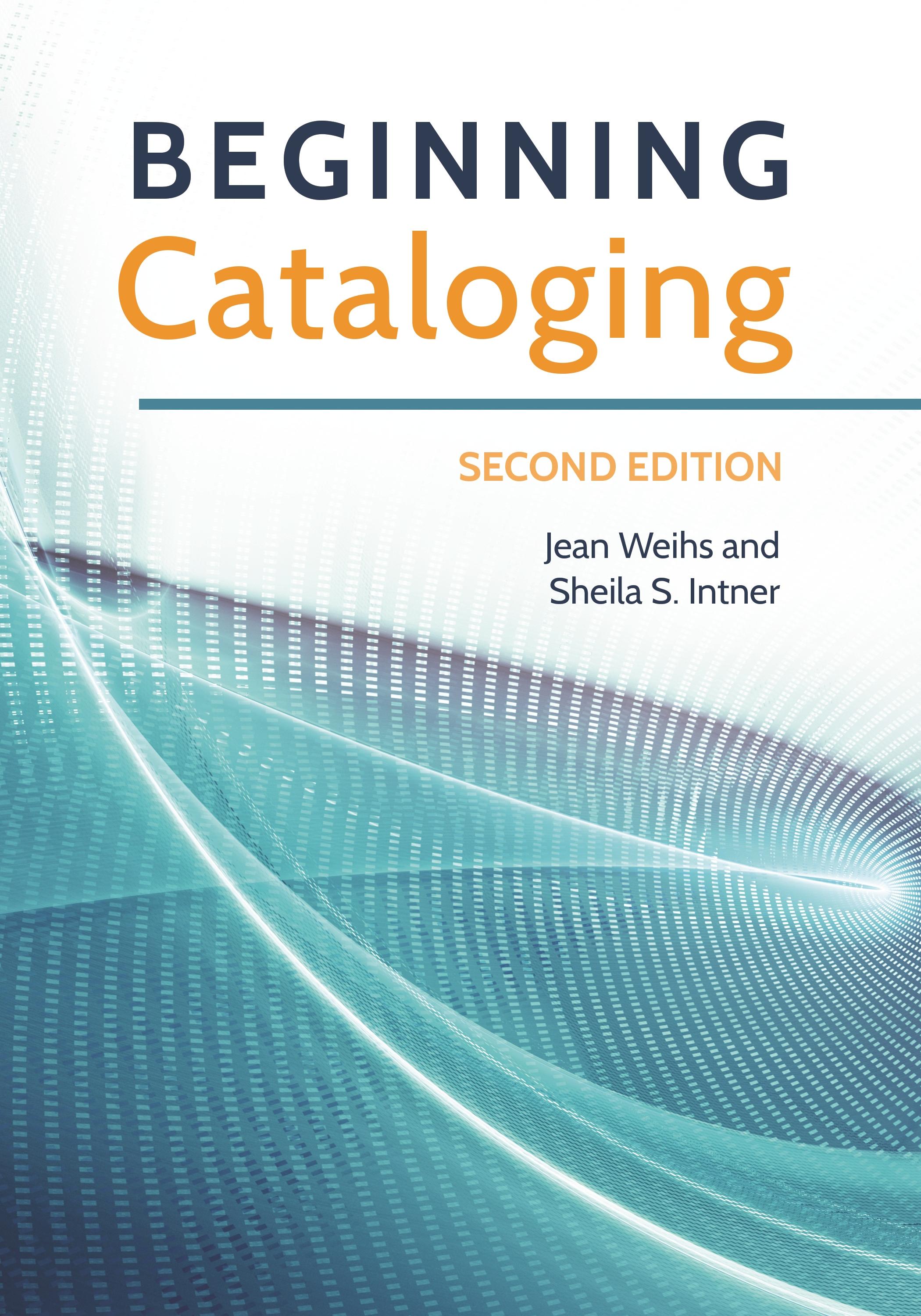
Now thoroughly updated to include recent changes with RDA, this easy-to-use primer provides an introduction to standardized cataloging that will benefit library technicians as well as students in library technician and teacher librarian programs.
This easy-to-use primer provides a complete introduction to current standard cataloging practice. The simple language, helpful examples, and clear descriptions of processes and techniques make it a valuable tool for any beginning cataloger or worker in a technical services department. Updated with key information about RDA principles and practices and following the same pragmatic approach as the first edition, the book empowers students with an understanding of the core principles and language of cataloging. Readers will learn how to apply standard descriptive cataloging rules to assign subject headings and classification numbers and to create electronic records.
The book first examines the cataloging-in-publication data found on the verso of most books. Then, chapter by chapter, it explains how this data can be developed into a full bibliographic record that can be used in an online public catalog, covering all types of material formats (books, audiovisuals, images, sound, electronic resources and more). This guide will also serve as a workbook in formal education programs or distance education programs and be useful to library technicians and those working in areas where formal training is inaccessible.
This easy-to-use primer provides a complete introduction to current standard cataloging practice. The simple language, helpful examples, and clear descriptions of processes and techniques make it a valuable tool for any beginning cataloger or worker in a technical services department. Updated with key information about RDA principles and practices and following the same pragmatic approach as the first edition, the book empowers students with an understanding of the core principles and language of cataloging. Readers will learn how to apply standard descriptive cataloging rules to assign subject headings and classification numbers and to create electronic records.
The book first examines the cataloging-in-publication data found on the verso of most books. Then, chapter by chapter, it explains how this data can be developed into a full bibliographic record that can be used in an online public catalog, covering all types of material formats (books, audiovisuals, images, sound, electronic resources and more). This guide will also serve as a workbook in formal education programs or distance education programs and be useful to library technicians and those working in areas where formal training is inaccessible.
Betala smidigt med kort, Klarna, Apple Pay eller Google Pay. Är du inte nöjd har du alltid 14 dagars ångerrätt. Läs mer i våra villkor. Har du några frågor, mejla oss på hello@memmo.org.
Memmo gör det enklare att plugga – var du än är i världen. Hos oss samlar du kursböcker och smarta studieverktyg på ett och samma ställe: sammanfattningar, quiz, poddar och flashcards. Och så Ted, din studiekompis som svarar på allt du undrar. Över 50 000 studenter pluggar redan här – byggt för att du ska lära dig snabbare och stressa mindre.