
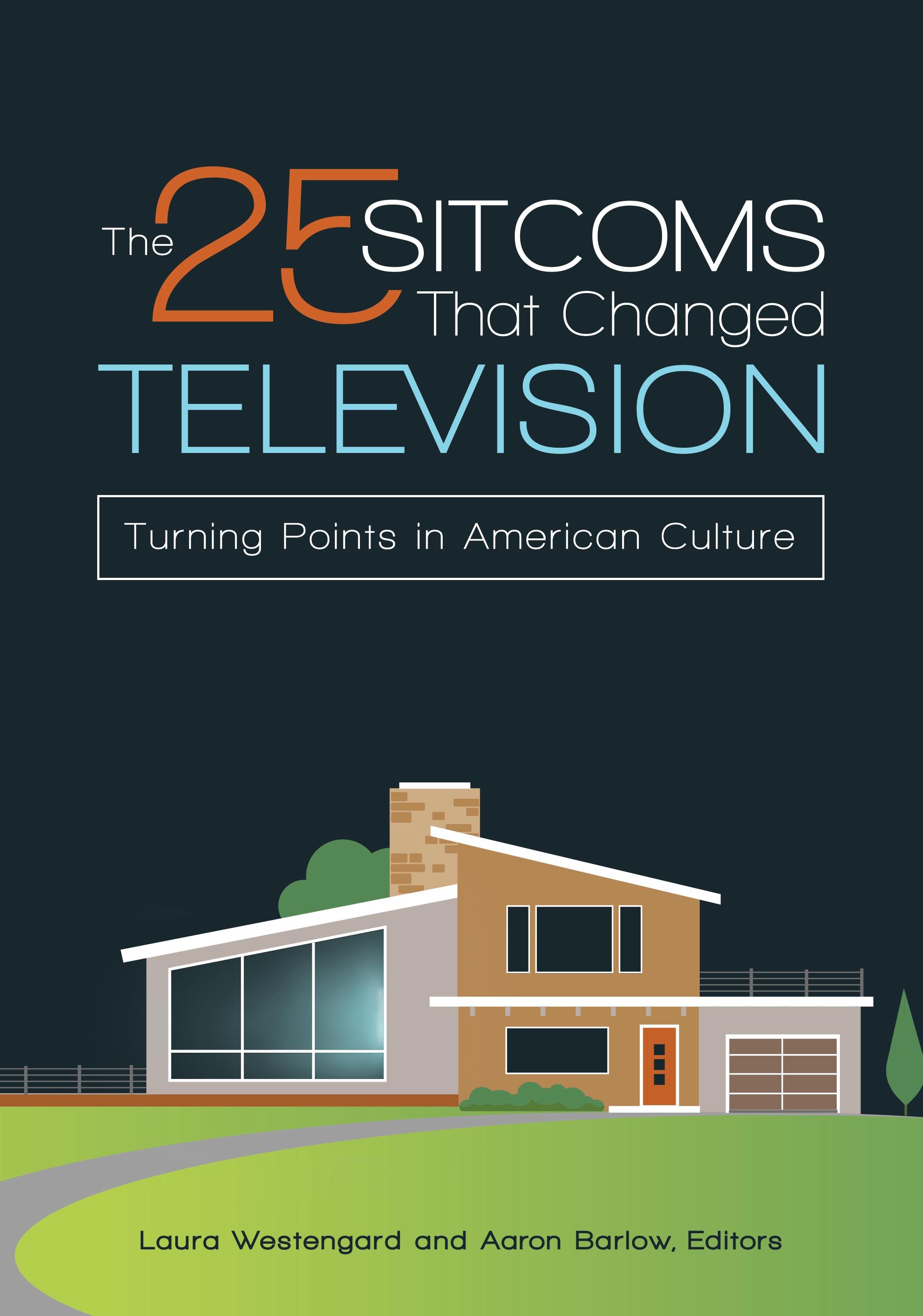
This book spotlights the 25 most important sitcoms to ever air on American television—shows that made generations laugh, challenged our ideas regarding gender, family, race, marital roles, and sexual identity, and now serve as time capsules of U.S. history.
What was the role of The Jeffersons in changing views regarding race and equality in America in the 1970s? How did The Golden Girls affect how society views older people? Was The Office an accurate (if exaggerated) depiction of the idiosyncrasies of being employees in a modern workplace? How did the writers of The Simpsons make it acceptable to air political satire through the vehicle of an animated cartoon ostensibly for kids?
Readers of this book will see how television situation comedies have consistently held up a mirror for American audiences to see themselves—and the reflections have not always been positive or purely comedic. The introduction discusses the history of sitcoms in America, identifying their origins in radio shows and explaining how sitcom programming evolved to influence the social and cultural norms of our society. The shows are addressed chronologically, in sections delineated by decade. Each entry presents background information on the show, including the dates it aired, key cast members, and the network; explains why the show represents a notable turning point in American television; and provides an analysis of each sitcom that considers how the content was received by the American public and the lasting effects on the family unit, gender roles, culture for young adults, and minority and LGBT rights.
The book also draws connections between important sitcoms and other shows that were influenced by or strikingly similar to these trendsetting programs. Lastly, a section of selections for further reading points readers to additional resources.
What was the role of The Jeffersons in changing views regarding race and equality in America in the 1970s? How did The Golden Girls affect how society views older people? Was The Office an accurate (if exaggerated) depiction of the idiosyncrasies of being employees in a modern workplace? How did the writers of The Simpsons make it acceptable to air political satire through the vehicle of an animated cartoon ostensibly for kids?
Readers of this book will see how television situation comedies have consistently held up a mirror for American audiences to see themselves—and the reflections have not always been positive or purely comedic. The introduction discusses the history of sitcoms in America, identifying their origins in radio shows and explaining how sitcom programming evolved to influence the social and cultural norms of our society. The shows are addressed chronologically, in sections delineated by decade. Each entry presents background information on the show, including the dates it aired, key cast members, and the network; explains why the show represents a notable turning point in American television; and provides an analysis of each sitcom that considers how the content was received by the American public and the lasting effects on the family unit, gender roles, culture for young adults, and minority and LGBT rights.
The book also draws connections between important sitcoms and other shows that were influenced by or strikingly similar to these trendsetting programs. Lastly, a section of selections for further reading points readers to additional resources.
Betala smidigt med kort, Klarna, Apple Pay eller Google Pay. Är du inte nöjd har du alltid 14 dagars ångerrätt. Läs mer i våra villkor. Har du några frågor, mejla oss på hello@memmo.org.
Memmo gör det enklare att plugga – var du än är i världen. Hos oss samlar du kursböcker och smarta studieverktyg på ett och samma ställe: sammanfattningar, quiz, poddar och flashcards. Och så Ted, din studiekompis som svarar på allt du undrar. Över 50 000 studenter pluggar redan här – byggt för att du ska lära dig snabbare och stressa mindre.