
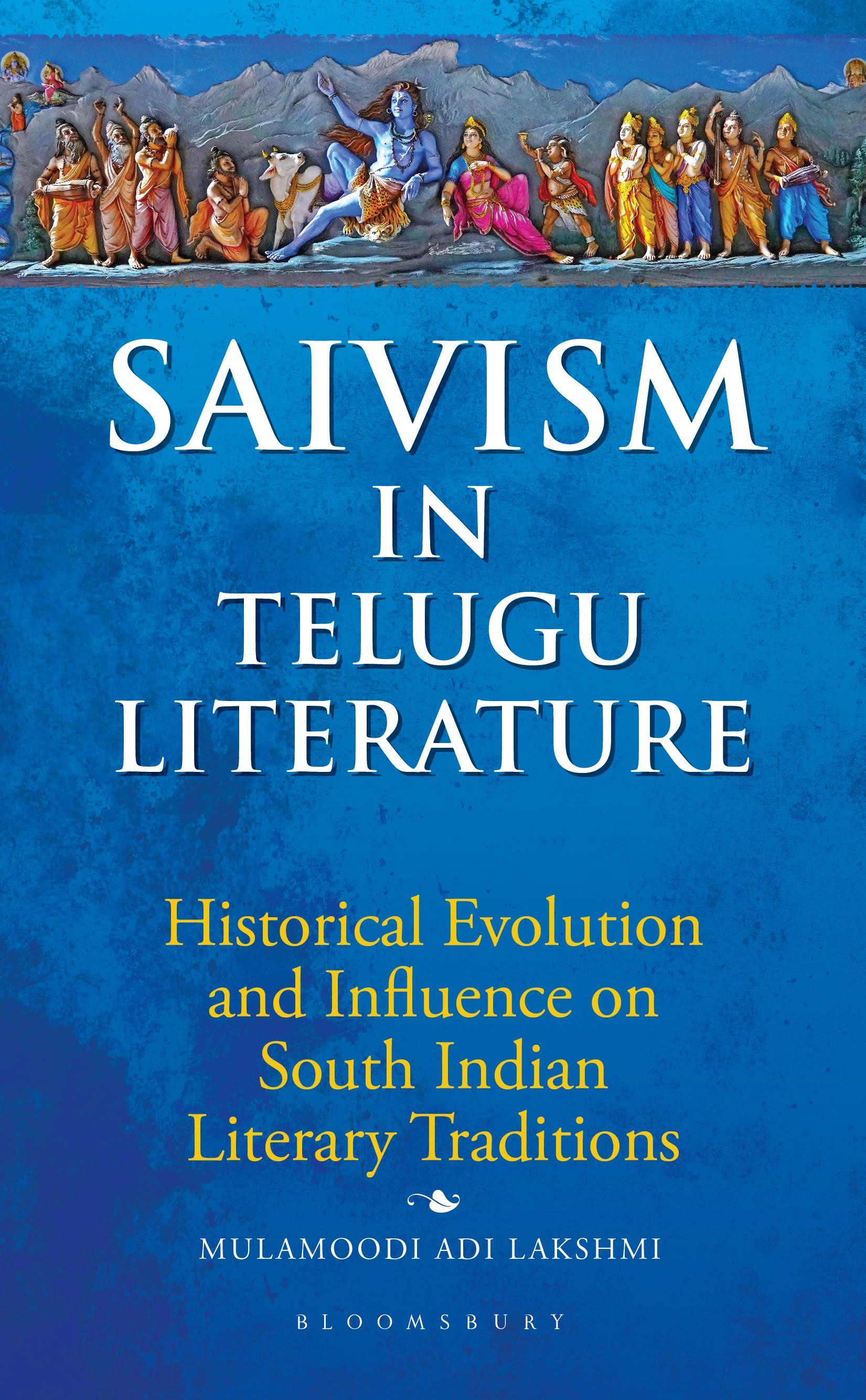
This book examines the evolution of Saivism among Telugu-speaking communities, with particular emphasis on its influence on women and marginalised social groups. It is organised around three key themes: Saivism prior to the emergence of Telugu literature; the understanding and transmission of Saivism through Telugu literary works; and the linguistic, literary, and cultural relationships articulated through Telugu Saiva literature.
Saivism in Telugu Literature analyses the close relationship between religion and literature and discusses the literary trends that shaped the early development of Telugu literature. It critically examines the contributions of Balkuri¯ Somanatha, Nannaya, Dikkana (Tikkana), and other scholars influenced by Saivism and Veerashaivism. Special attention is given to the portrayal of Shiva as a major deity alongside Brahma and Vishnu in the Telugu translations of the Mahabharata by Nannaya and Tikkana. Nannaya's translation is interpreted as an effort to make the Mahabharata, regarded as the fifth Veda, accessible to common people and women. The concluding section explores the influence of the Tamil Nayanmars and highlights the linguistic and cultural interactions among Telugu, Tamil, and Sanskrit, illustrating the spread of Saivism in South India.
Saivism in Telugu Literature analyses the close relationship between religion and literature and discusses the literary trends that shaped the early development of Telugu literature. It critically examines the contributions of Balkuri¯ Somanatha, Nannaya, Dikkana (Tikkana), and other scholars influenced by Saivism and Veerashaivism. Special attention is given to the portrayal of Shiva as a major deity alongside Brahma and Vishnu in the Telugu translations of the Mahabharata by Nannaya and Tikkana. Nannaya's translation is interpreted as an effort to make the Mahabharata, regarded as the fifth Veda, accessible to common people and women. The concluding section explores the influence of the Tamil Nayanmars and highlights the linguistic and cultural interactions among Telugu, Tamil, and Sanskrit, illustrating the spread of Saivism in South India.
Betala smidigt med kort, Klarna, Apple Pay eller Google Pay. Är du inte nöjd har du alltid 14 dagars ångerrätt. Läs mer i våra villkor. Har du några frågor, mejla oss på hello@memmo.org.
Memmo gör det enklare att plugga – var du än är i världen. Hos oss samlar du kursböcker och smarta studieverktyg på ett och samma ställe: sammanfattningar, quiz, poddar och flashcards. Och så Ted, din studiekompis som svarar på allt du undrar. Över 50 000 studenter pluggar redan här – byggt för att du ska lära dig snabbare och stressa mindre.