
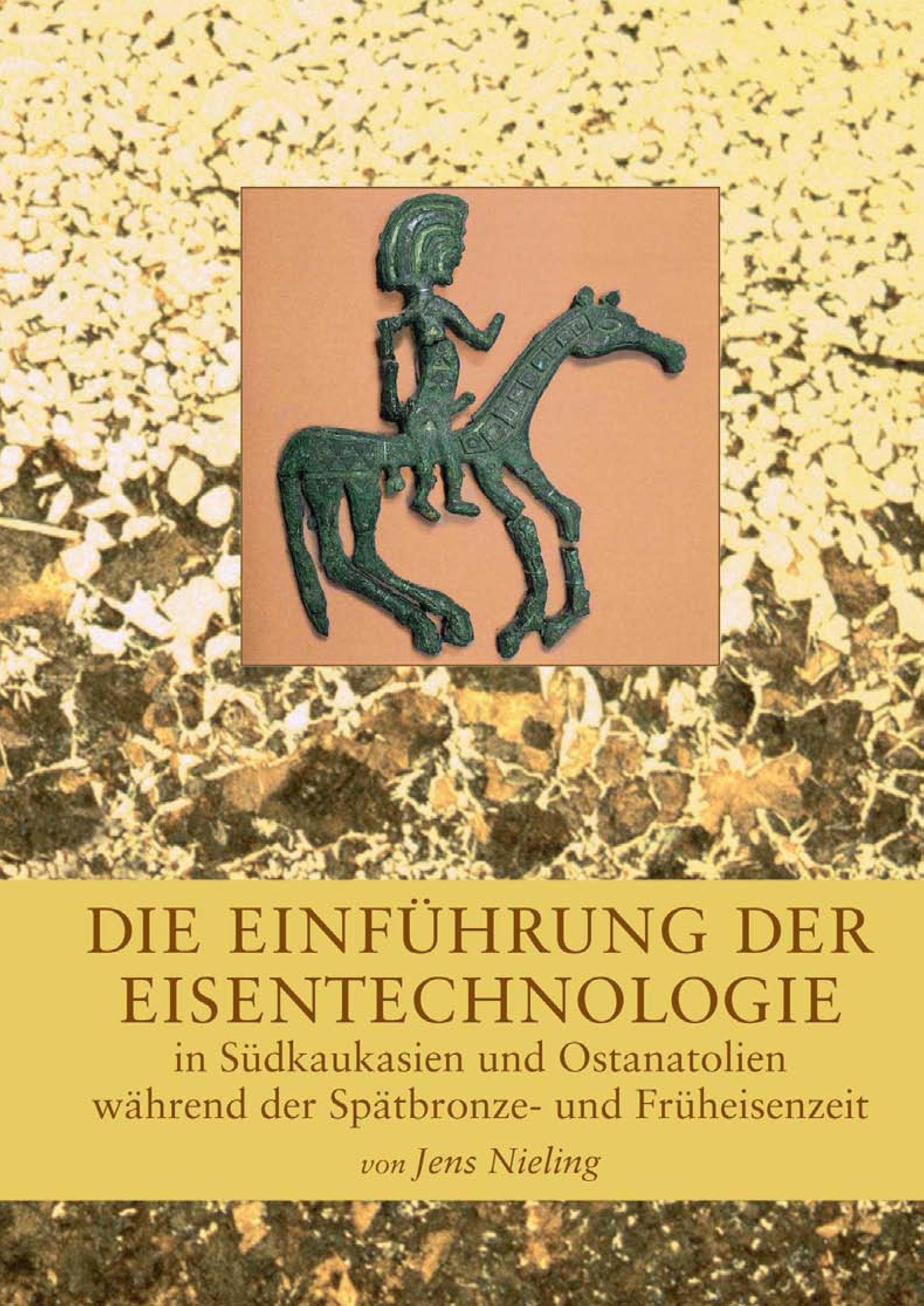
This German doctoral thesis challenges the orthodox view that the South-Caucasian culture of the Late Bronze Age played a decisive role in early iron production. The region is characterized, on the contrary, as a traditionally-bound aristocratic society with an impressive bronze industry. It was instead the underestimated nomad population of South-Eastern Turkey that first made use of the new metal and discovered the art of steel making. Climatic changes forced a southward migration, which not only brought the two cultures into contact, but also into conflict, with each other. However, a process of successful acculturation finally resulted in the creation of the Urartian Empire. While for some time the neighbouring Assyrian and Neohittite states remained hesitant towards the adoption of advanced iron technology, this soon changed when they recognized the opportunity for cheap mass-production. Text in German with English summary.
Betala smidigt med kort, Klarna, Apple Pay eller Google Pay. Är du inte nöjd har du alltid 14 dagars ångerrätt. Läs mer i våra villkor. Har du några frågor, mejla oss på hello@memmo.org.
Memmo gör det enklare att plugga – var du än är i världen. Hos oss samlar du kursböcker och smarta studieverktyg på ett och samma ställe: sammanfattningar, quiz, poddar och flashcards. Och så Ted, din studiekompis som svarar på allt du undrar. Över 50 000 studenter pluggar redan här – byggt för att du ska lära dig snabbare och stressa mindre.
Du kanske också gillar
Köp boken0