
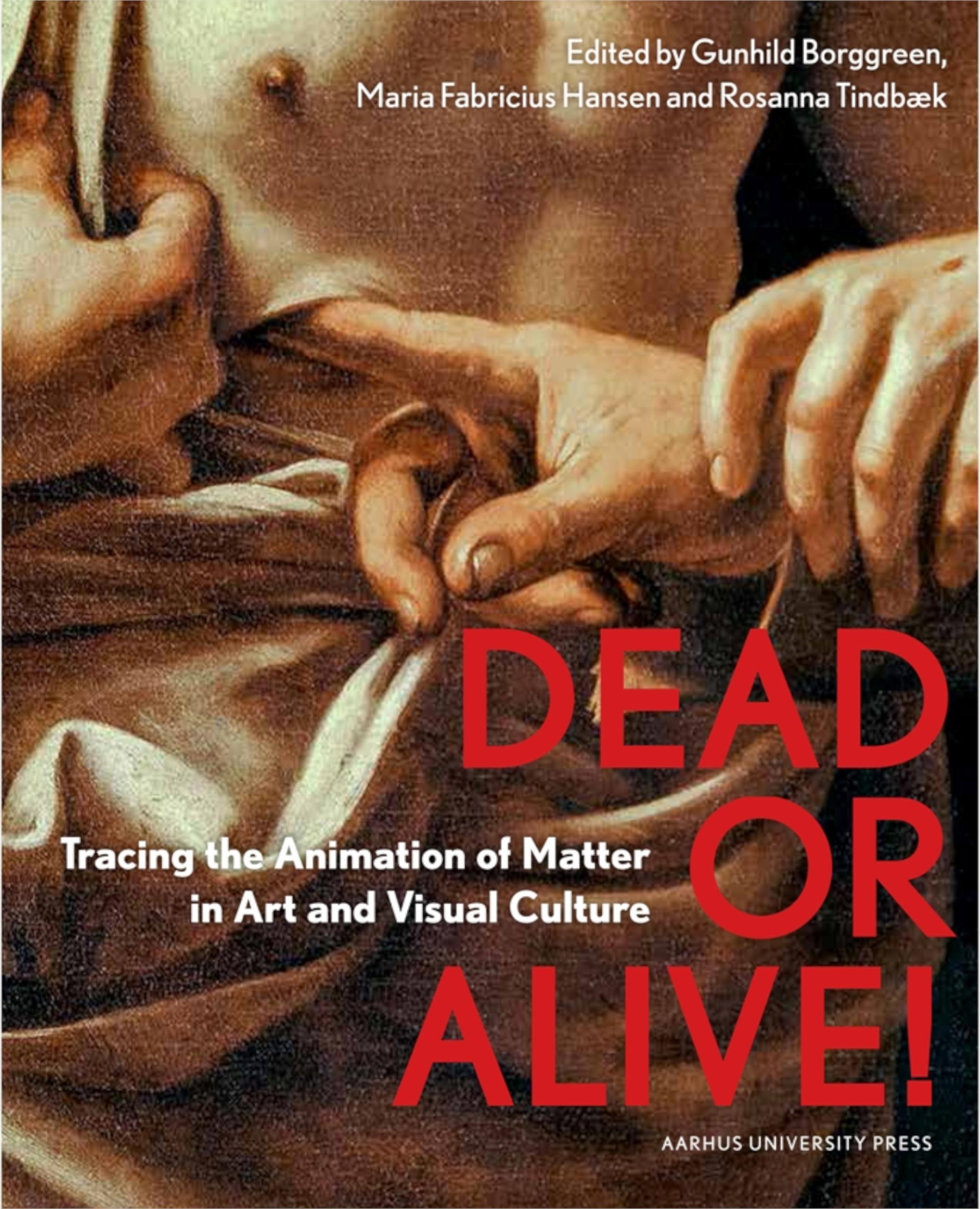
The image is an ontological paradox; it is made of dead matter, yet appears to be alive. For millennia, artists have created images of the living world - images that are static and yet possess the power to bring to life a frozen moment in time. While this tension has constituted a fundamental challenge for as long as theories on the nature of images have existed, recent scholarship has rekindled interest in the question of what images 'do to us'. Despite the rational discourse of Modernity, we must acknowledge that we view images as half-living entities. This book addresses the perpetual relevance of images' enigmatic life-likeness through studies that engage with a variety of visual material by asking the same question: what qualifies animation? Covering a wide range of image practices, such as early paleolithic stone engravings, medieval tomb sculpture, renaissance death masks and baroque painting to modern fashion, park design, early cinema and BioArt, the twelve chapters, written by scholars of art history and visual culture, demonstrate that the ontological paradox of the image is not limited to a specific historical period or certain types of images, but can be seen throughout the history of images across different cultures.
Betala smidigt med kort, Klarna, Apple Pay eller Google Pay. Är du inte nöjd har du alltid 14 dagars ångerrätt. Läs mer i våra villkor. Har du några frågor, mejla oss på hello@memmo.org.
Memmo gör det enklare att plugga – var du än är i världen. Hos oss samlar du kursböcker och smarta studieverktyg på ett och samma ställe: sammanfattningar, quiz, poddar och flashcards. Och så Ted, din studiekompis som svarar på allt du undrar. Över 50 000 studenter pluggar redan här – byggt för att du ska lära dig snabbare och stressa mindre.
Du kanske också gillar
Köp boken0