
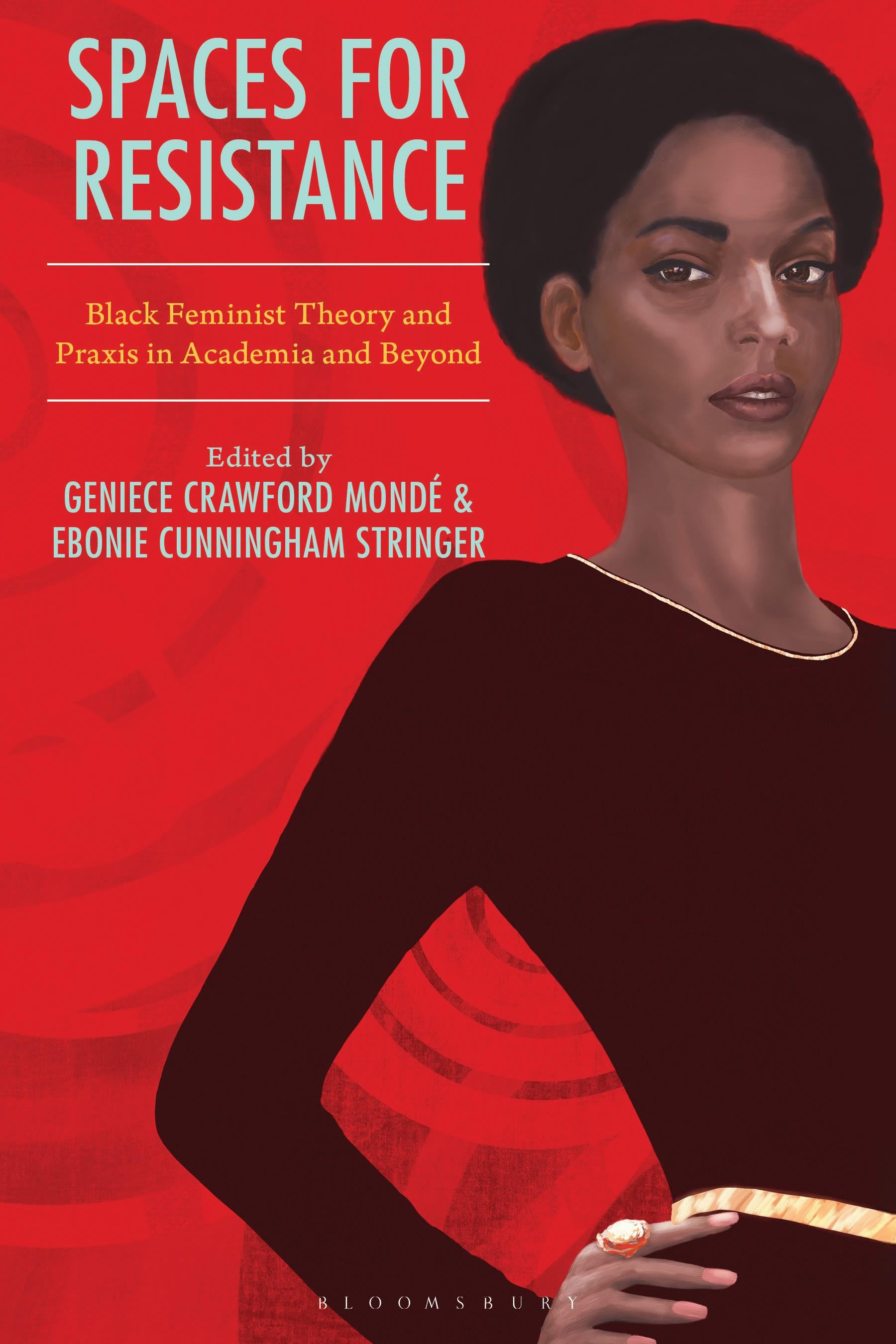
Using autoethnography, this book answers the Black feminist call to talk back to systems of oppression and highlight agency and resistance of Black women.
Editors Geniece Crawford Mondé and Ebonie Cunningham Stringer explore the varied ways in which Black feminism is understood, applied, and expressed across disciplinary backgrounds. Drawing from the perspectives of both academics and scholar-practitioners, they examine how these paradigms bear relevance on timely issues, like socially-engaged scholarship, work-life balance, and navigating challenging social, academic, and political contexts. This book is divided into five thematic sections. Part one examines Black feminism as a tool for liberatory pedagogical praxis. Part two creates a space for Black women whose work and experiences both inform and extend the Black feminist perspective beyond the United States. Part three provides insight into the factors that shape Black women's most important relationships and the conflicting priorities that compete for their attention. Part four explores how Black women are able to incorporate their ideals into their professional workplace. Part five highlights the ways in which Black feminism emerges from and is sustained within communities. By bringing these perspectives together, Mondé, Stringer, and the contributors critically examine the complex ways in which Black feminist scholarship has continued to shape our understanding of the world today.
Editors Geniece Crawford Mondé and Ebonie Cunningham Stringer explore the varied ways in which Black feminism is understood, applied, and expressed across disciplinary backgrounds. Drawing from the perspectives of both academics and scholar-practitioners, they examine how these paradigms bear relevance on timely issues, like socially-engaged scholarship, work-life balance, and navigating challenging social, academic, and political contexts. This book is divided into five thematic sections. Part one examines Black feminism as a tool for liberatory pedagogical praxis. Part two creates a space for Black women whose work and experiences both inform and extend the Black feminist perspective beyond the United States. Part three provides insight into the factors that shape Black women's most important relationships and the conflicting priorities that compete for their attention. Part four explores how Black women are able to incorporate their ideals into their professional workplace. Part five highlights the ways in which Black feminism emerges from and is sustained within communities. By bringing these perspectives together, Mondé, Stringer, and the contributors critically examine the complex ways in which Black feminist scholarship has continued to shape our understanding of the world today.
Betala smidigt med kort, Klarna, Apple Pay eller Google Pay. Är du inte nöjd har du alltid 14 dagars ångerrätt. Läs mer i våra villkor. Har du några frågor, mejla oss på hello@memmo.org.
Memmo gör det enklare att plugga – var du än är i världen. Hos oss samlar du kursböcker och smarta studieverktyg på ett och samma ställe: sammanfattningar, quiz, poddar och flashcards. Och så Ted, din studiekompis som svarar på allt du undrar. Över 50 000 studenter pluggar redan här – byggt för att du ska lära dig snabbare och stressa mindre.