
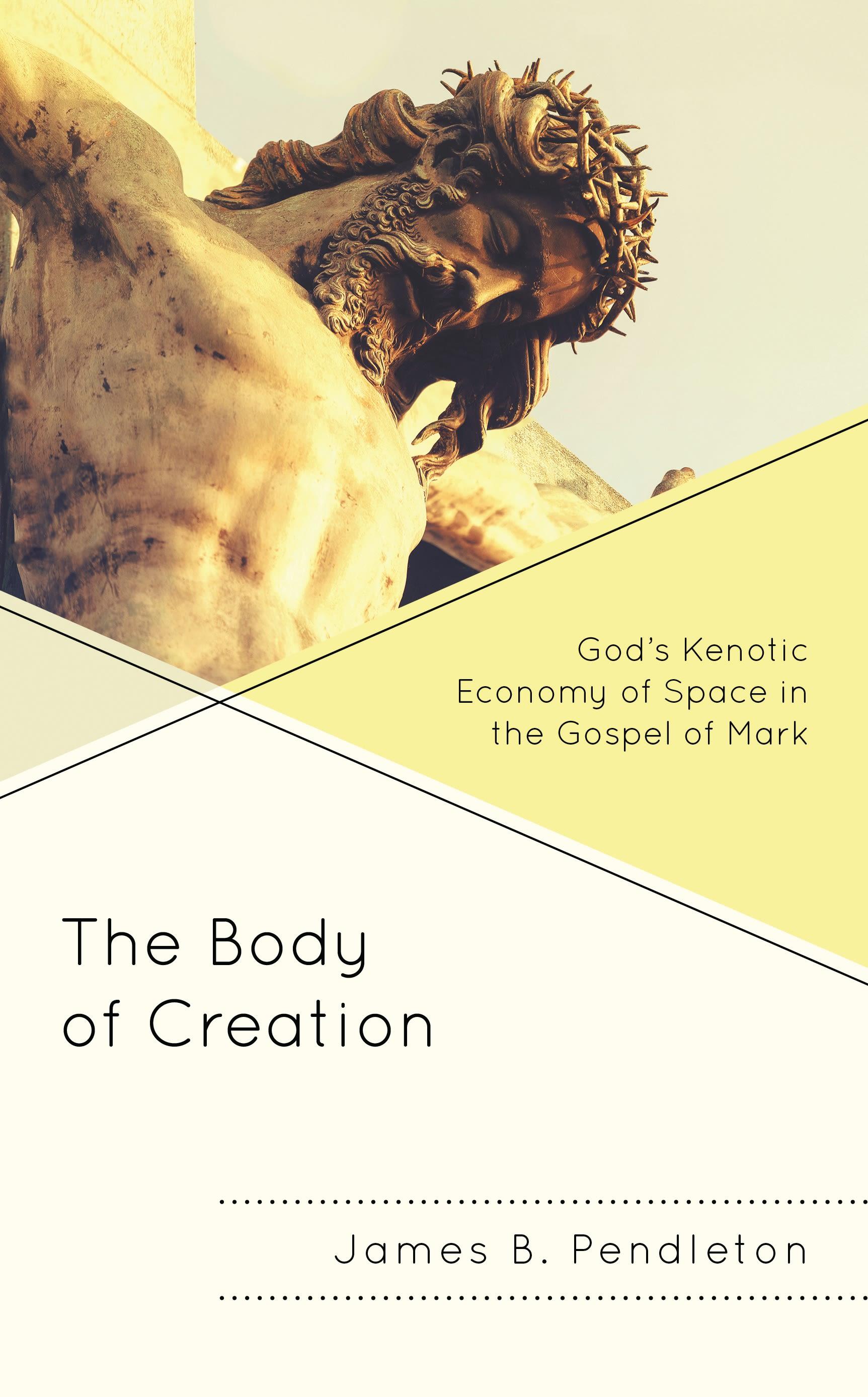
In the modern period, space has predominately been conceived of as a mere setting for human action, ontologically separate from the body. In Markan studies, the result has been the multiplication of textual geographies that hide the spatiality of Jesus’s narrativized and, thus, living body. Rather than representing Jesus’s body as replicating the spatial configurations of dominant scribal cartographic practice (including imperial practice), James B. Pendleton shows that Mark portrays Jesus’s body as a living production of space that troubles dominant maps. Against readings of Mark that argue that Jesus is either an imperial or an anti-imperial figure, Pendleton argues that Mark presents Jesus’s body, and thus his spatiality, as both inside (as an insider) and outside (as an outsider) simultaneously, in what has more commonly been theorized recently as third spatiality, or thirdspace. Rather than an imperial or anti-imperial economy of spatial production, Pendleton argues, Mark presents Jesus’s body within a both-and and more economy that is kenotic, revealing God’s own royal yet “emptying” body.
Betala smidigt med kort, Klarna, Apple Pay eller Google Pay. Är du inte nöjd har du alltid 14 dagars ångerrätt. Läs mer i våra villkor. Har du några frågor, mejla oss på hello@memmo.org.
Memmo gör det enklare att plugga – var du än är i världen. Hos oss samlar du kursböcker och smarta studieverktyg på ett och samma ställe: sammanfattningar, quiz, poddar och flashcards. Och så Ted, din studiekompis som svarar på allt du undrar. Över 50 000 studenter pluggar redan här – byggt för att du ska lära dig snabbare och stressa mindre.