
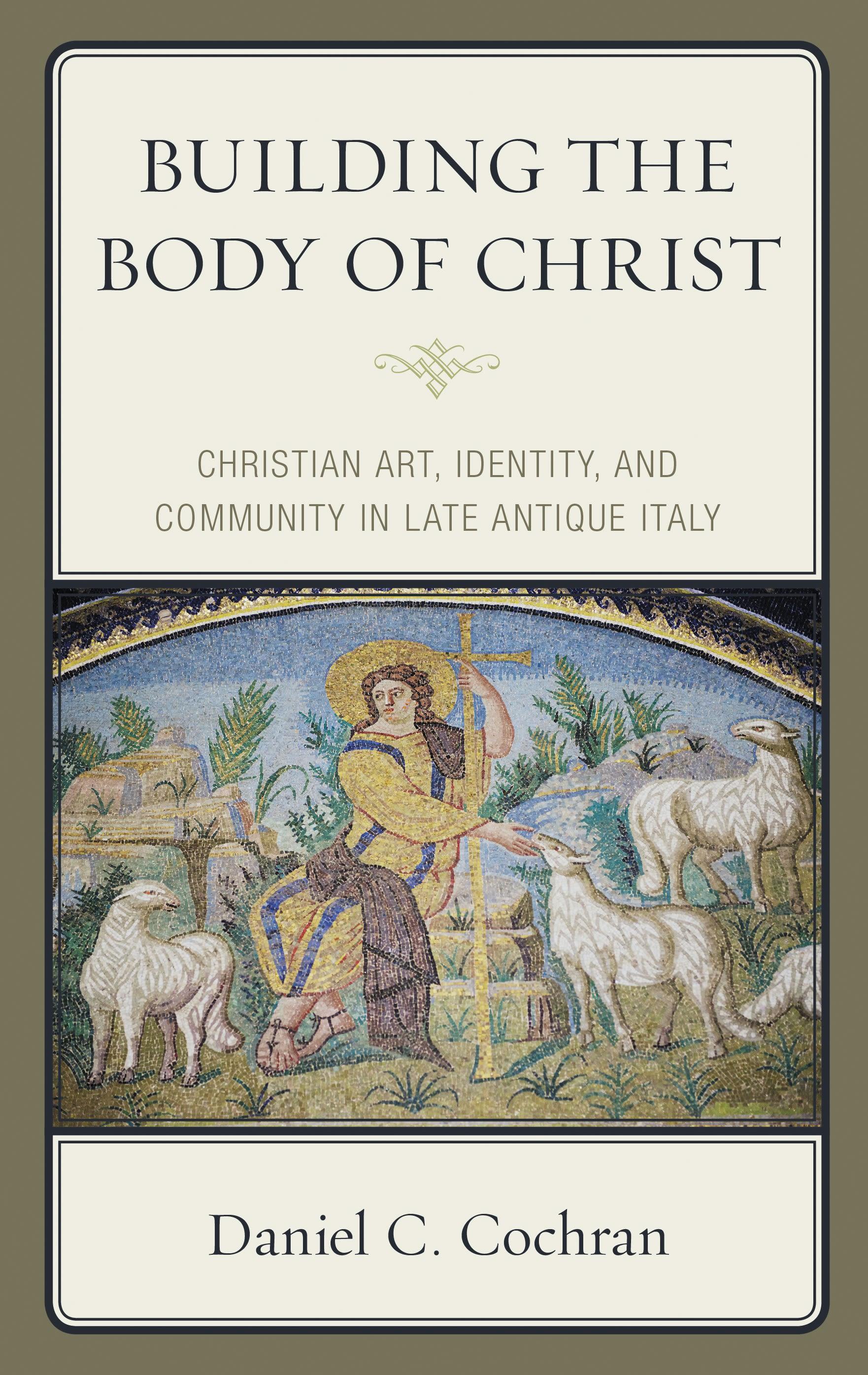
In Building the Body of Christ, Daniel C. Cochran argues that monumental Christian art and architecture played a crucial role in the formation of individual and communal identities in late antique Italy. The ecclesiastical buildings and artistic programs that emerged during the fourth and fifth centuries not only reflected Christianity’s changing status within the Roman Empire but also actively shaped those who used them. Emphasizing the importance of materiality and the body in early Christian thought and practice, Cochran shows how bishops and their supporters employed the visual arts to present a Christian identity rooted in the sacred past but expressed in the present through church unity and episcopal authority. He weaves together archaeological and textual evidence to contextualize case studies from Rome, Aquileia, and Ravenna, showing how these sites responded to the diversity of early Christianity as expressed through private rituals and the imperial appropriation of the saints. Cochran shows how these early ecclesiastical buildings and artistic programs worked in conjunction with the liturgy to persuade individuals to adopt alternative beliefs, practices, and values that contributed to the formation of institutional Christianity and the “Christianization” of late antique Italy.
Betala smidigt med kort, Klarna, Apple Pay eller Google Pay. Är du inte nöjd har du alltid 14 dagars ångerrätt. Läs mer i våra villkor. Har du några frågor, mejla oss på hello@memmo.org.
Memmo gör det enklare att plugga – var du än är i världen. Hos oss samlar du kursböcker och smarta studieverktyg på ett och samma ställe: sammanfattningar, quiz, poddar och flashcards. Och så Ted, din studiekompis som svarar på allt du undrar. Över 50 000 studenter pluggar redan här – byggt för att du ska lära dig snabbare och stressa mindre.