
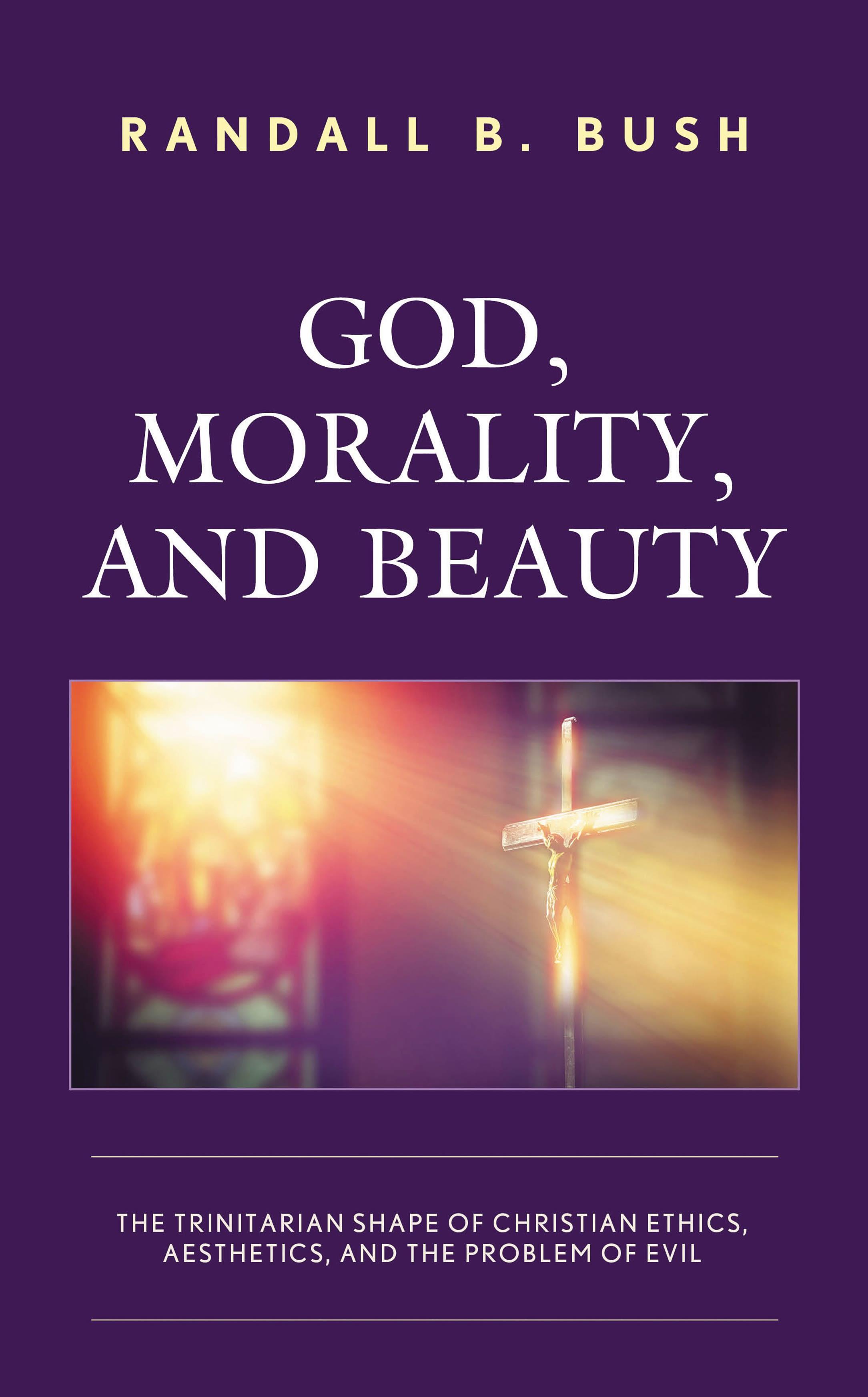
Randall B. Bush analyzes the ways unacknowledged axiological assumptions (e.g., about what is important, why human beings are valuing creatures, and where the capacity to value comes from) prejudice the perspectives and approaches of various academic disciplines, especially in the social sciences and the humanities. The disciplines of ethics and aesthetics provide the most useful tools for a philosophy of value, but academic overspecialization has compartmentalized and segregated these disciplines from others, threatening to unravel the unity of conceptions of the moral and the beautiful in human existence. Bush argues that a dialectical approach to conflicts between ethics and aesthetics can point to a broader, axiological vision––informed by a Trinitarian conception of reality––in which the whole, a coherent theory of value, is more than the sum of its parts.
Betala smidigt med kort, Klarna, Apple Pay eller Google Pay. Är du inte nöjd har du alltid 14 dagars ångerrätt. Läs mer i våra villkor. Har du några frågor, mejla oss på hello@memmo.org.
Memmo gör det enklare att plugga – var du än är i världen. Hos oss samlar du kursböcker och smarta studieverktyg på ett och samma ställe: sammanfattningar, quiz, poddar och flashcards. Och så Ted, din studiekompis som svarar på allt du undrar. Över 50 000 studenter pluggar redan här – byggt för att du ska lära dig snabbare och stressa mindre.