
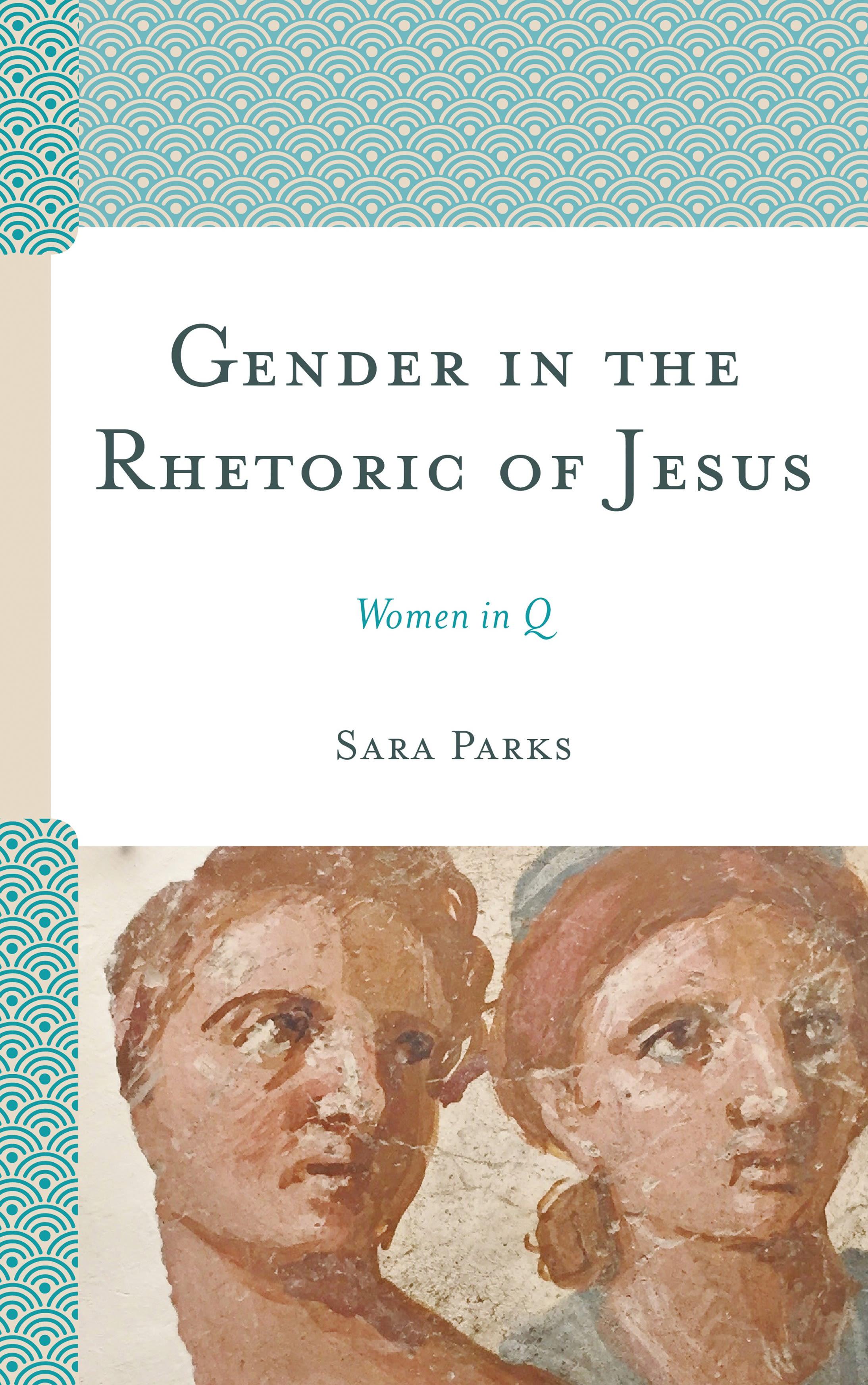
Examining the hypothetical earliest layer of Jesus’ sayings known as Q, Sara Parks argues that Jesus deliberately crafted parabolic teachings regarding the basileia of God to appeal to both male and female adherents. For a century after Q, vestiges of gender-paired teachings popped up in multiple independent texts related to Jesus, from Mark to Paul to the Synoptics and John—making it more likely that this inclusion of women originated with Jesus himself. In Gender and the Rhetoric of Jesus, Parks engages the divided scholarship on the meaning of gendered pairs for an evaluation of the gender politics of Q, arguing that even though Q’s peculiar rhetoric of gender equality was an innovation, it was also a product of its time, as evidenced in other contemporaneous texts which struggled with ambiguous equalities, from Philo to Musonius Rufus to Joseph and Aseneth. In addition, she shows that Jesus’ rhetoric of gender, as remembered in Q constitutes some of the earliest evidence for the study of first-century Jewish women, and women in Christian origins.
Betala smidigt med kort, Klarna, Apple Pay eller Google Pay. Är du inte nöjd har du alltid 14 dagars ångerrätt. Läs mer i våra villkor. Har du några frågor, mejla oss på hello@memmo.org.
Memmo gör det enklare att plugga – var du än är i världen. Hos oss samlar du kursböcker och smarta studieverktyg på ett och samma ställe: sammanfattningar, quiz, poddar och flashcards. Och så Ted, din studiekompis som svarar på allt du undrar. Över 50 000 studenter pluggar redan här – byggt för att du ska lära dig snabbare och stressa mindre.