
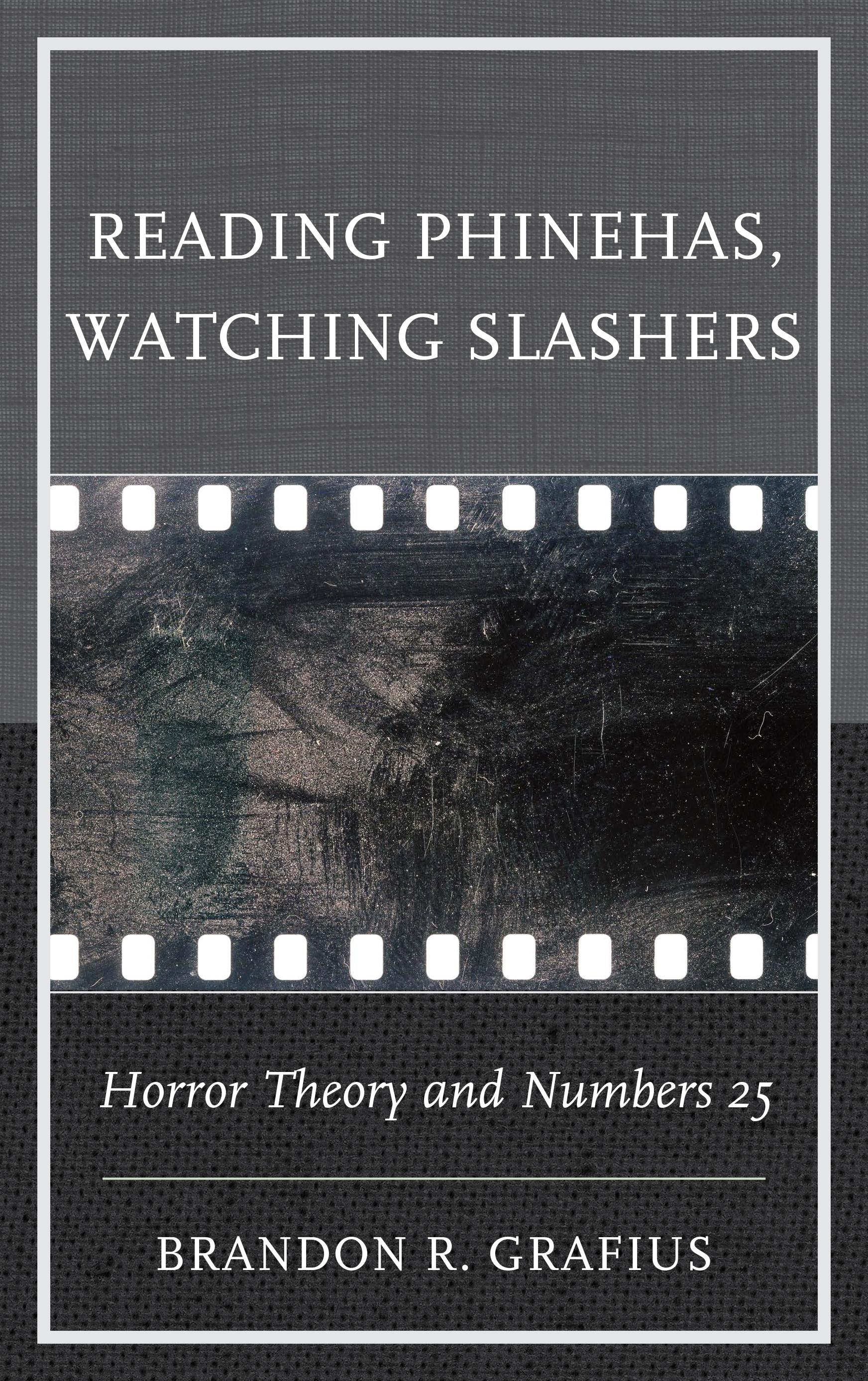
The tale of the “zeal” of Phineas, expressed when he killed an Israelite man and a Midianite woman having sex and thus stopped a “plague” of consorting with idolatrous neighbors in the Israelite camp (Numbers 25), has long attracted both interest and revulsion. Scholars have sought to defend the account, to explain it as pious fiction, or to protest its horrific violence. Brandon R. Grafius seeks to understand how the tale expresses the latent anxieties of the Israelite society that produced it, combining the insights of historical criticism with those of contemporary horror and monster theory. Grafius compares Israelite anxieties concerning ethnic boundaries and community organization with similar anxieties apparent in horror films of the 1980s, then finds confirmation for his method in the responses of Roman-period readers who reacted to the tale of Phineas as a tale of horror. The combination of methods allows Grafius to illumine the concern of an ancient priestly class to control unsettled and unsettling community boundaries??and to raise questions of implications for our own time.
Betala smidigt med kort, Klarna, Apple Pay eller Google Pay. Är du inte nöjd har du alltid 14 dagars ångerrätt. Läs mer i våra villkor. Har du några frågor, mejla oss på hello@memmo.org.
Memmo gör det enklare att plugga – var du än är i världen. Hos oss samlar du kursböcker och smarta studieverktyg på ett och samma ställe: sammanfattningar, quiz, poddar och flashcards. Och så Ted, din studiekompis som svarar på allt du undrar. Över 50 000 studenter pluggar redan här – byggt för att du ska lära dig snabbare och stressa mindre.