
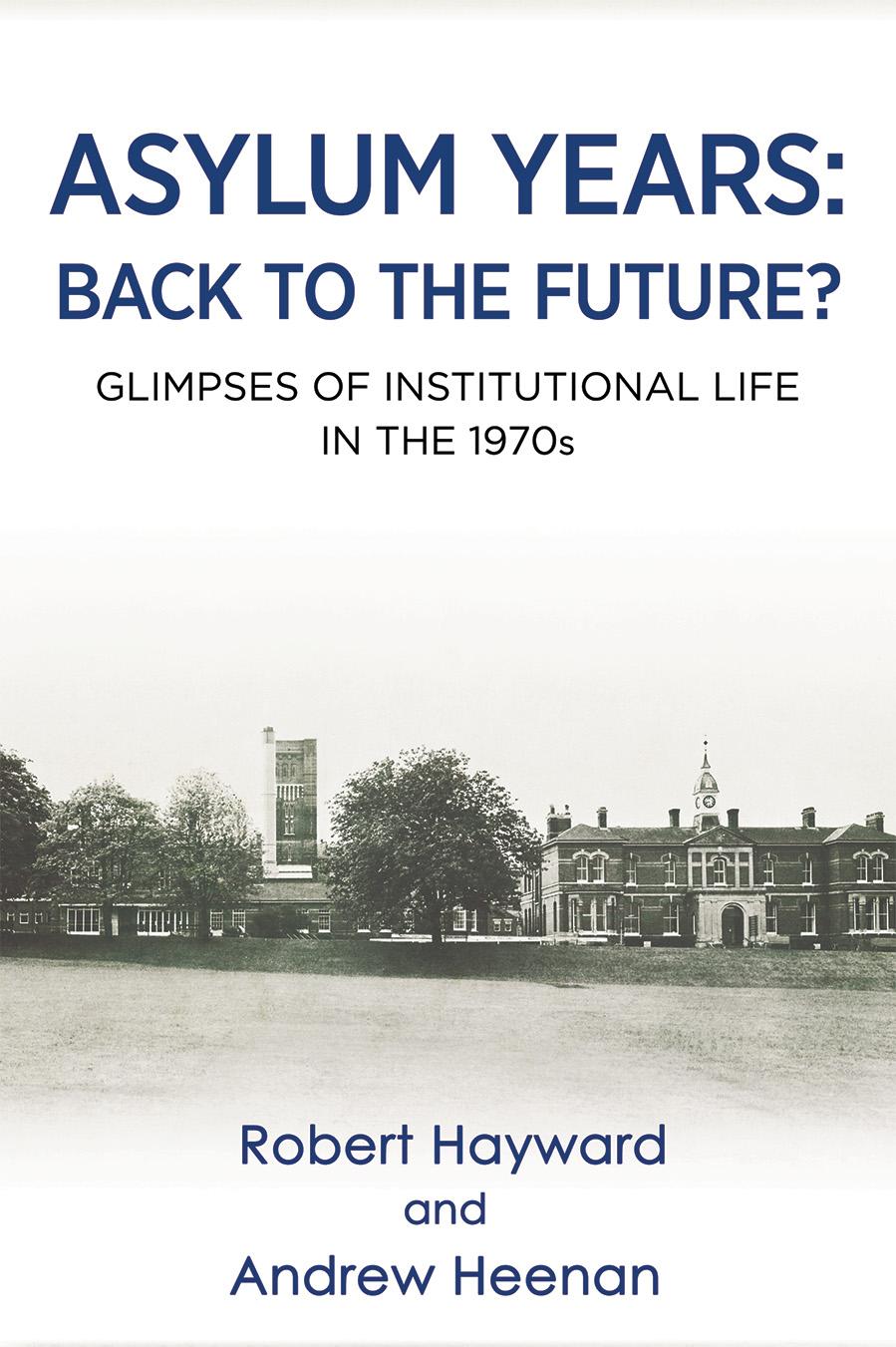
Has the legacy of the asylum era impacted on the thinking that underpins health policy today? Evidence gathered here from a number of people who worked in an asylum 50 years ago suggests that there is considerable inheritance from the institutional times that reinforce current mental health policy and mode of provision.
This book begins with a historical overview of mental health care and provides a detailed ethnographic account at the end of the 20th century; comparisons from this are examined in the context of present mental health care with a particular focus on underlying thinking which appears to differ less than that of the previous institutional years. Referring to more recent work, including user-led programmes, “mad studies” and emerging policy models, we explore alternatives that could challenge the philosophy or ethos that buttresses thinking about mental health policy and go some way to address the persistent marginalisation and inequalities experienced by people using mental health services.Betala smidigt med kort, Klarna, Apple Pay eller Google Pay. Är du inte nöjd har du alltid 14 dagars ångerrätt. Läs mer i våra villkor. Har du några frågor, mejla oss på hello@memmo.org.
Memmo gör det enklare att plugga – var du än är i världen. Hos oss samlar du kursböcker och smarta studieverktyg på ett och samma ställe: sammanfattningar, quiz, poddar och flashcards. Och så Ted, din studiekompis som svarar på allt du undrar. Över 50 000 studenter pluggar redan här – byggt för att du ska lära dig snabbare och stressa mindre.