
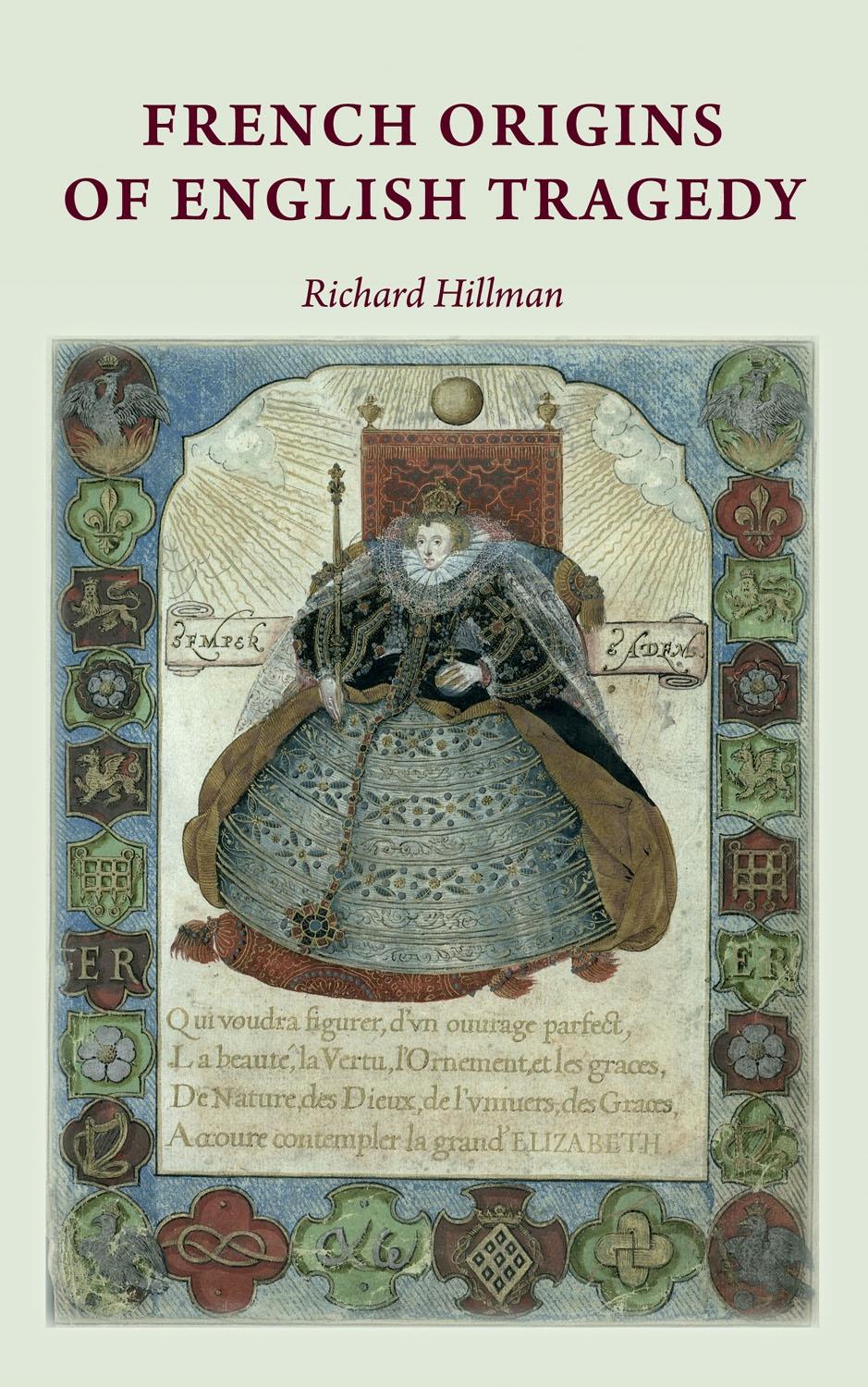
Richard Hillman applies to tragic patterns and practices in early modern England his long-standing critical preoccupation with English-French cultural connections in the period. With primary, though not exclusive, reference on the English side to Shakespeare and Marlowe, and on the French side to a wide range of dramatic and non-dramatic material, he focuses on distinctive elements that emerge within the English tragedy of the 1590s and early 1600s. These include the self-destructive tragic hero, the apparatus of neo-Senecanism (including the Machiavellian villain) and the confrontation between the warrior-hero and the femme fatale.
The broad objective is less to 'discover' influences – although some specific points of contact are proposed – than at once to enlarge and refine a common cultural space through juxtaposition and intertextual tracing. The conclusion emerges that the powerful, if ambivalent, fascination of the English for their closest Continental neighbours expressed itself not only in but through the theatre.
Betala smidigt med kort, Klarna, Apple Pay eller Google Pay. Är du inte nöjd har du alltid 14 dagars ångerrätt. Läs mer i våra villkor. Har du några frågor, mejla oss på hello@memmo.org.
Memmo gör det enklare att plugga – var du än är i världen. Hos oss samlar du kursböcker och smarta studieverktyg på ett och samma ställe: sammanfattningar, quiz, poddar och flashcards. Och så Ted, din studiekompis som svarar på allt du undrar. Över 50 000 studenter pluggar redan här – byggt för att du ska lära dig snabbare och stressa mindre.