
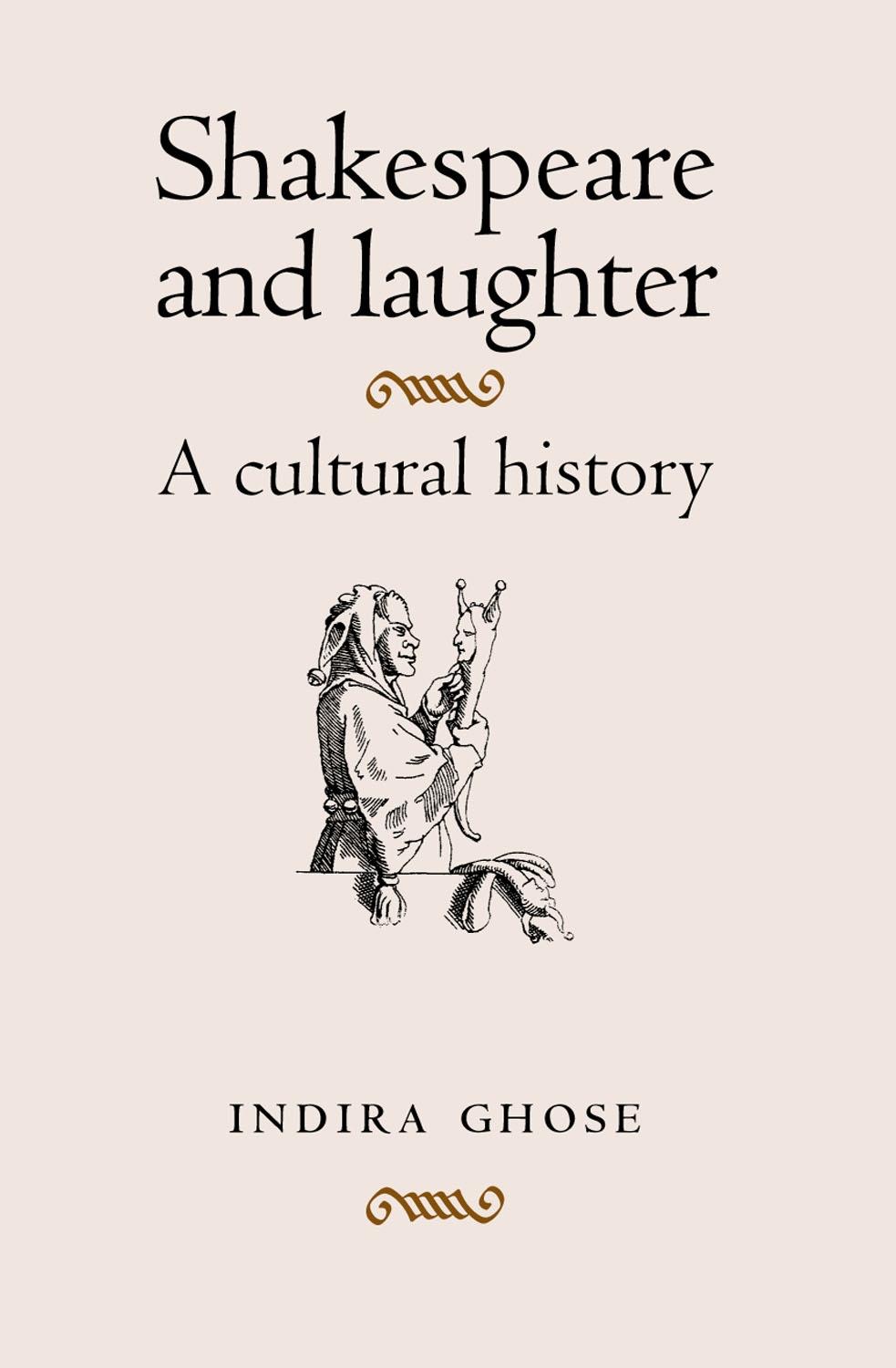
This book examines laughter in the Shakespearean theatre, in the context of a cultural history of early modern laughter. Aimed at an informed readership as well as graduate students and scholars in the field of Shakespeare studies, it is the first study to focus specifically on laughter, not comedy. It looks at various strands of the early modern discourse on laughter, ranging from medical treatises and courtesy manuals to Puritan tracts and jestbook literature. It argues that few cultural phenomena have undergone as radical a change in meaning as laughter.
Laughter became bound up with questions of taste and class identity. At the same time, humanist thinkers revalorised the status of recreation and pleasure. These developments left their trace on the early modern theatre, where laughter was retailed as a commodity in an emerging entertainment industry. Shakespeare´s plays both reflect and shape these changes, particularly in his adaptation of the Erasmian wise fool as a stage figure, and in the sceptical strain of thought that is encapsulated in the laughter evoked in the plays.
Betala smidigt med kort, Klarna, Apple Pay eller Google Pay. Är du inte nöjd har du alltid 14 dagars ångerrätt. Läs mer i våra villkor. Har du några frågor, mejla oss på hello@memmo.org.
Memmo gör det enklare att plugga – var du än är i världen. Hos oss samlar du kursböcker och smarta studieverktyg på ett och samma ställe: sammanfattningar, quiz, poddar och flashcards. Och så Ted, din studiekompis som svarar på allt du undrar. Över 50 000 studenter pluggar redan här – byggt för att du ska lära dig snabbare och stressa mindre.