
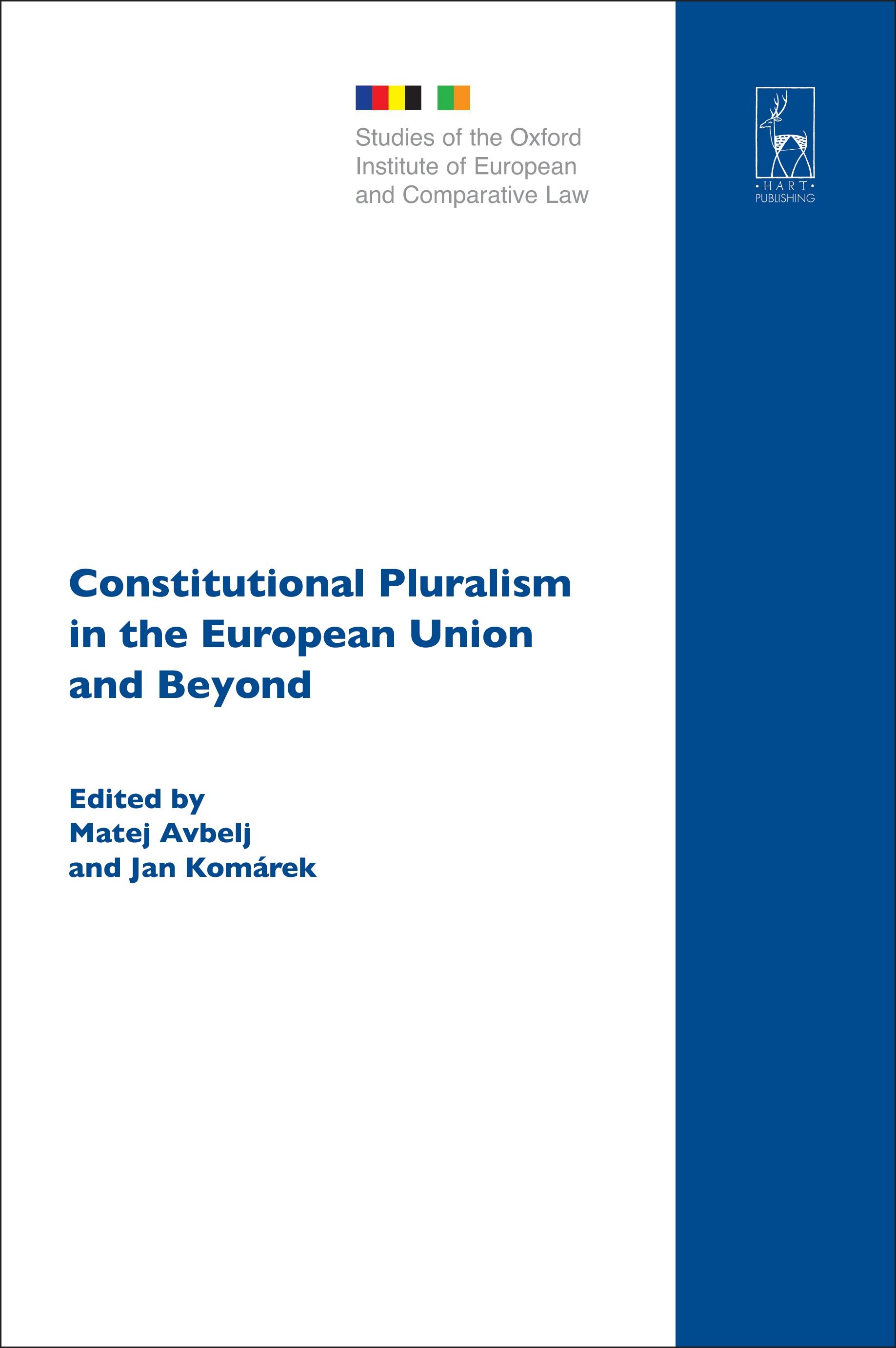
Constitutional pluralism has become immensely popular among scholars who study European integration and issues of global governance. Some of them believe that constitutionalism, traditionally thought to be bound to a nation state, can emerge beyond state borders - most importantly in the process of European integration, but also beyond that, for example, in international regulatory regimes such as the WTO, or international systems of fundamental rights protection, such as the European Convention.
At the same time, the idea of constitutional pluralism has not gone unchallenged. Some have questioned its compatibility with the very nature of law and the values which law brings to constitutionalism. The critiques have come from both sides: from those who believe in the 'traditional' European constitutionalism based on a hierarchically superior authority of the European Union as well as from scholars focusing on constitutions of particular states.
The book collects contributions taking opposing perspectives on constitutional pluralism - some defending and promoting the concept of constitutional pluralism, some criticising and opposing it. While some authors can be called 'the founding fathers of constitutional pluralism', others are young academics who have recently entered the field. Together they offer fresh perspectives on both theoretical and practical aspects of constitutional pluralism, enriching our existing understanding of the concept in current scholarship.
At the same time, the idea of constitutional pluralism has not gone unchallenged. Some have questioned its compatibility with the very nature of law and the values which law brings to constitutionalism. The critiques have come from both sides: from those who believe in the 'traditional' European constitutionalism based on a hierarchically superior authority of the European Union as well as from scholars focusing on constitutions of particular states.
The book collects contributions taking opposing perspectives on constitutional pluralism - some defending and promoting the concept of constitutional pluralism, some criticising and opposing it. While some authors can be called 'the founding fathers of constitutional pluralism', others are young academics who have recently entered the field. Together they offer fresh perspectives on both theoretical and practical aspects of constitutional pluralism, enriching our existing understanding of the concept in current scholarship.
Betala smidigt med kort, Klarna, Apple Pay eller Google Pay. Är du inte nöjd har du alltid 14 dagars ångerrätt. Läs mer i våra villkor. Har du några frågor, mejla oss på hello@memmo.org.
Memmo gör det enklare att plugga – var du än är i världen. Hos oss samlar du kursböcker och smarta studieverktyg på ett och samma ställe: sammanfattningar, quiz, poddar och flashcards. Och så Ted, din studiekompis som svarar på allt du undrar. Över 50 000 studenter pluggar redan här – byggt för att du ska lära dig snabbare och stressa mindre.