
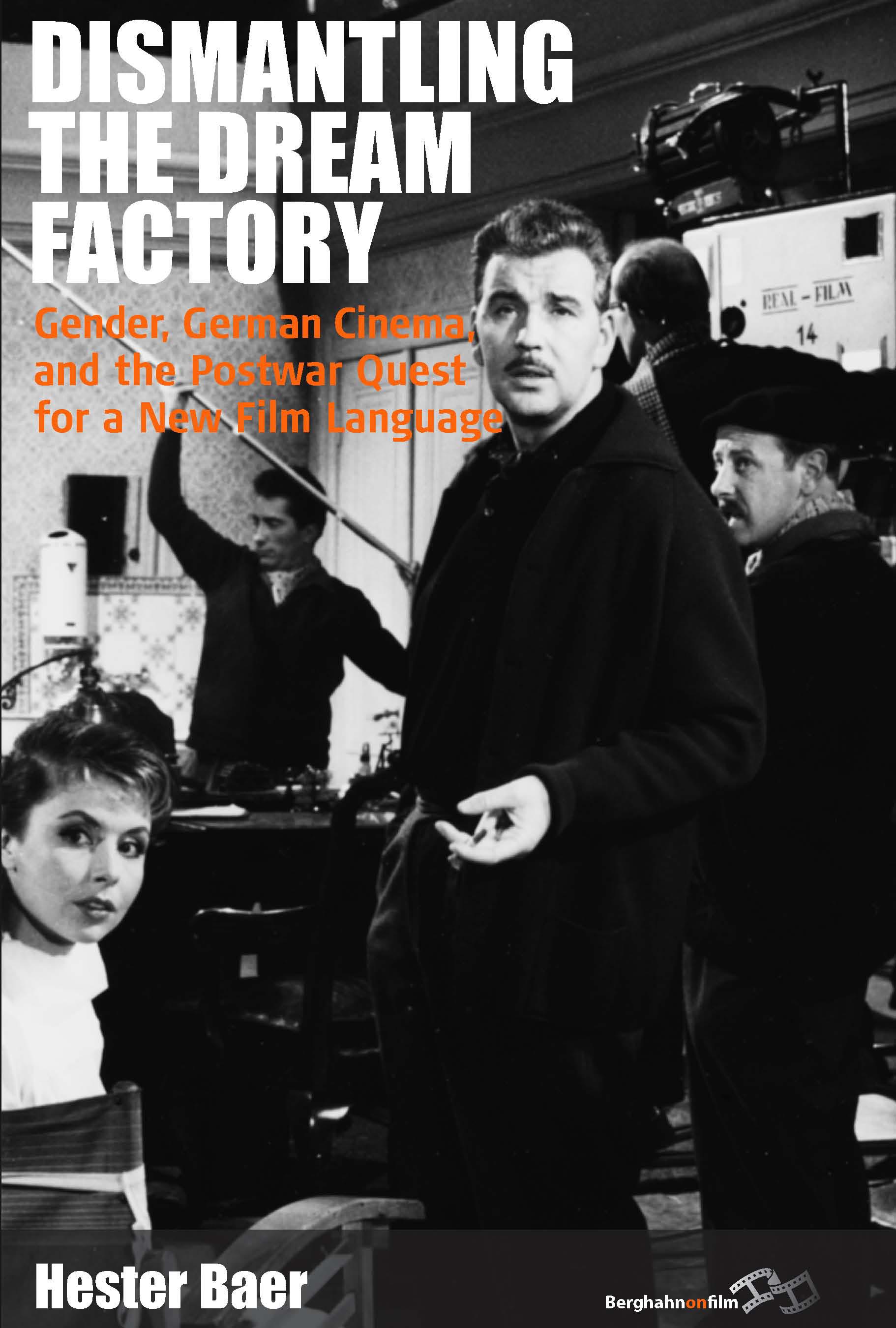
The history of postwar German cinema has most often been told as a story of failure, a failure paradoxically epitomized by the remarkable popularity of film throughout the late 1940s and 1950s. Through the analysis of 10 representative films, Hester Baer reassesses this period, looking in particular at how the attempt to ‘dismantle the dream factory’ of Nazi entertainment cinema resulted in a new cinematic language which developed as a result of the changing audience demographic. In an era when female viewers comprised 70 per cent of cinema audiences a ‘women’s cinema’ emerged, which sought to appeal to female spectators through its genres, star choices, stories and formal conventions. In addition to analyzing the formal language and narrative content of these films, Baer uses a wide array of other sources to reconstruct the original context of their reception, including promotional and publicity materials, film programs, censorship documents, reviews and spreads in fan magazines. This book presents a new take on an essential period, which saw the rebirth of German cinema after its thorough delegitimization under the Nazi regime.
Betala smidigt med kort, Klarna, Apple Pay eller Google Pay. Är du inte nöjd har du alltid 14 dagars ångerrätt. Läs mer i våra villkor. Har du några frågor, mejla oss på hello@memmo.org.
Memmo gör det enklare att plugga – var du än är i världen. Hos oss samlar du kursböcker och smarta studieverktyg på ett och samma ställe: sammanfattningar, quiz, poddar och flashcards. Och så Ted, din studiekompis som svarar på allt du undrar. Över 50 000 studenter pluggar redan här – byggt för att du ska lära dig snabbare och stressa mindre.