
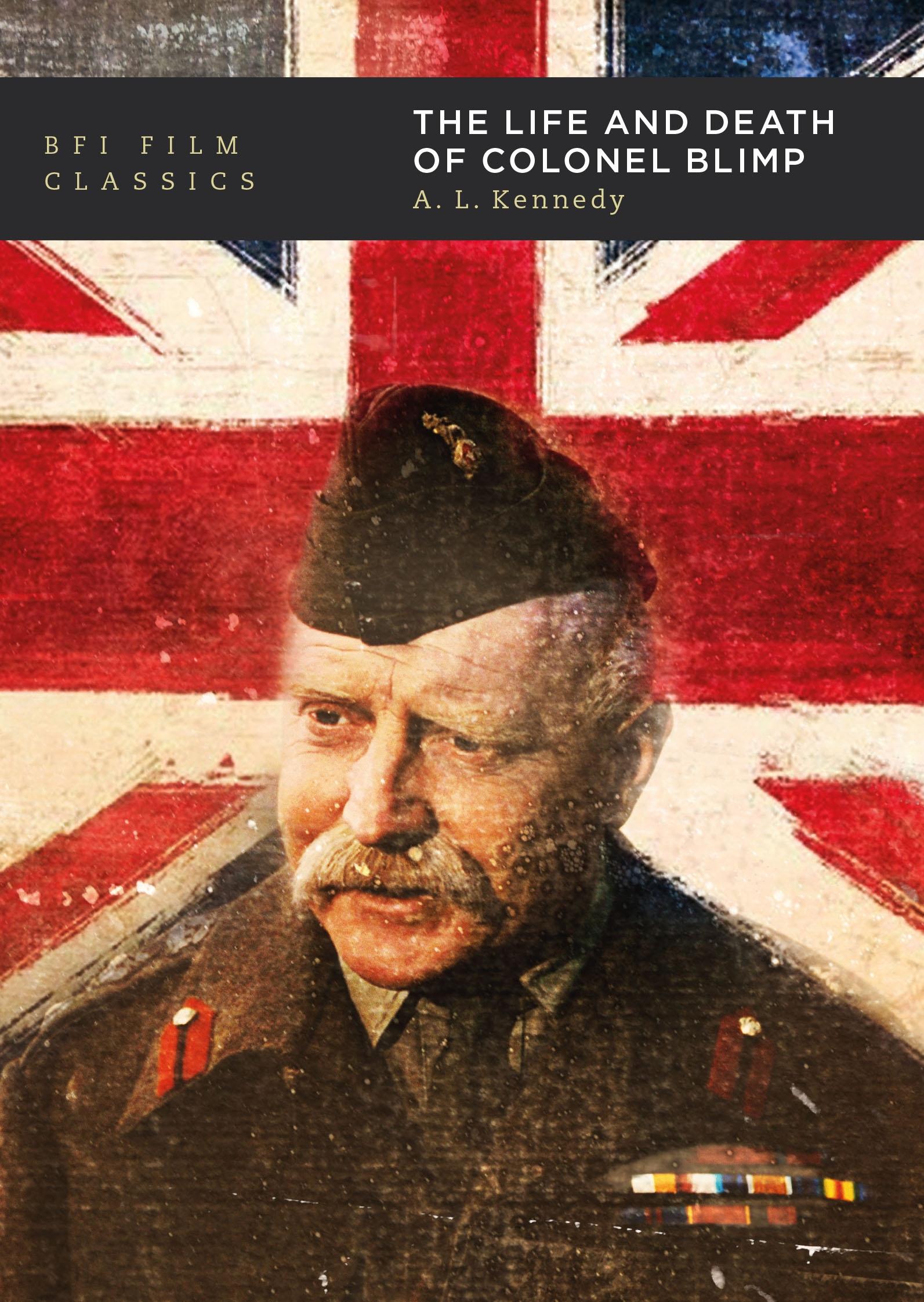
Winston Churchill hated The Life and Death of Colonel Blimp, and tried to have it banned when it was released in 1943. But Martin Scorsese, a champion of directors Michael Powell and Emeric Pressburger, considers it a masterpiece. It's a film about desires repressed in favour of worthless and unsatisfying ideals. And it's a film about how England dreamt of itself as a nation and how this dream disguised inadequacy and brutality in the clothes of honour. A. L. Kennedy, writing as a Scot, is fascinated by the nationalism which The Life and Death of Colonel Blimp explores. She finds human worth in the film and the pathos of stifled emotions and unfulfilled lives. 'If he is unaware of his passions, ' she writes of Clive Candy, the film's central figure, 'this is because his pains have become habitual, a part of personality, and because he was never taught a language that could speak of emotions like pain.'.
This edition includes a foreword by the author exploring the film's continuing relevance in an age of Brexit, when English and British national identity are deeply contested concepts.
This edition includes a foreword by the author exploring the film's continuing relevance in an age of Brexit, when English and British national identity are deeply contested concepts.
Betala smidigt med kort, Klarna, Apple Pay eller Google Pay. Är du inte nöjd har du alltid 14 dagars ångerrätt. Läs mer i våra villkor. Har du några frågor, mejla oss på hello@memmo.org.
Memmo gör det enklare att plugga – var du än är i världen. Hos oss samlar du kursböcker och smarta studieverktyg på ett och samma ställe: sammanfattningar, quiz, poddar och flashcards. Och så Ted, din studiekompis som svarar på allt du undrar. Över 50 000 studenter pluggar redan här – byggt för att du ska lära dig snabbare och stressa mindre.