
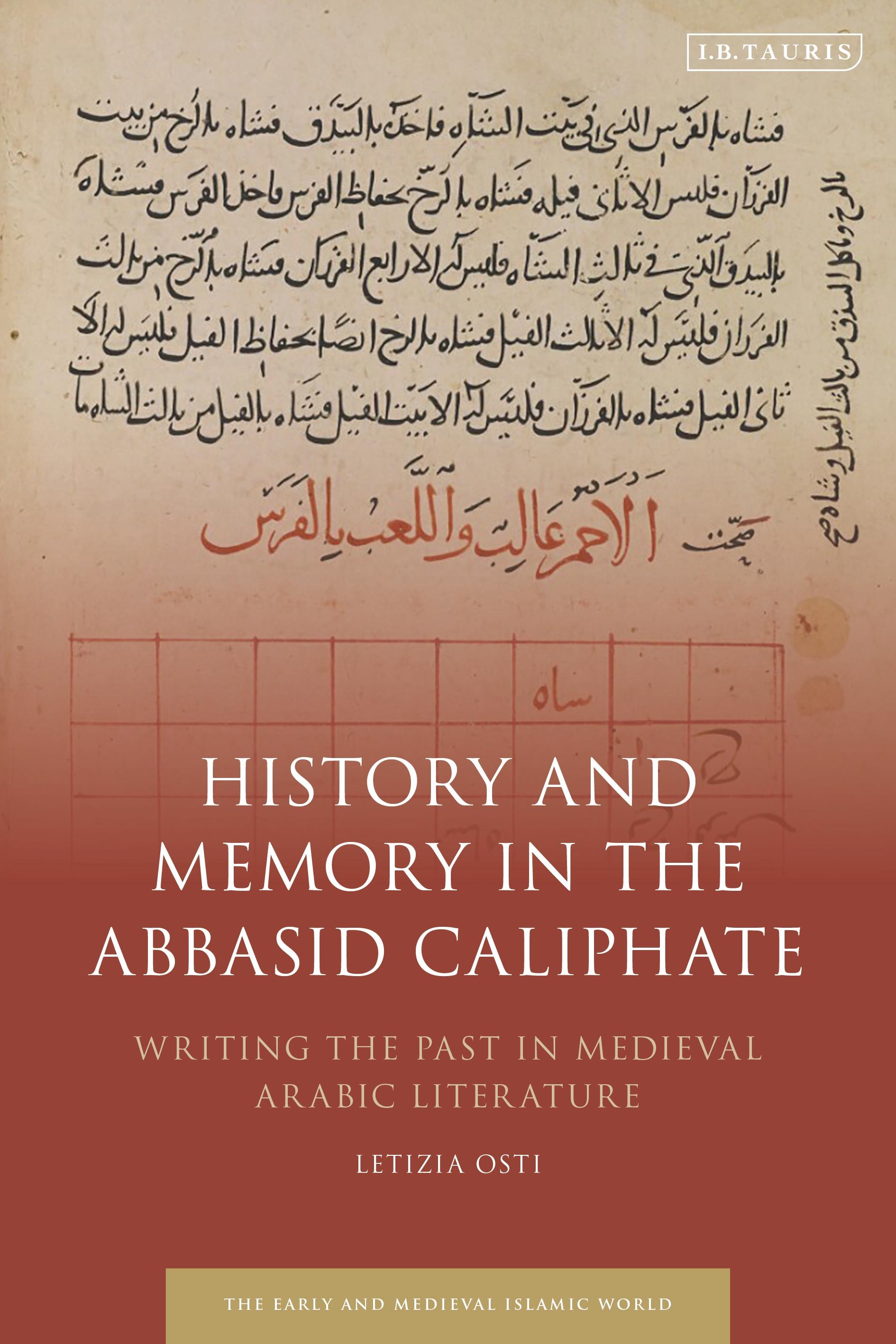
Abu Bakr al-Suli was an Abbasid polymath and table companion, as well as a legendary chess player. He was perhaps best known for his work on poetry and chancery, which would have a long-lasting influence on Arabic literature. His decades of service at the court of at least three caliphs give him a unique perspective as an historian of his own time, although he is often valued as an observer rather than an interpreter of events for posterity.
Letizia Osti here provides the first full-length English-language study devoted to al-Suli, illustrating how investigating the life, times and works of such a complex individual can serve as a fil rouge for tackling broader, contested concepts, such as biography, autobiography, court culture, and written culture. The result is an exploration of the ways in which the Abbasid court made sense of the past and, in general, of what 'historiography' means in a medieval Arabic context.
Letizia Osti here provides the first full-length English-language study devoted to al-Suli, illustrating how investigating the life, times and works of such a complex individual can serve as a fil rouge for tackling broader, contested concepts, such as biography, autobiography, court culture, and written culture. The result is an exploration of the ways in which the Abbasid court made sense of the past and, in general, of what 'historiography' means in a medieval Arabic context.
Betala smidigt med kort, Klarna, Apple Pay eller Google Pay. Är du inte nöjd har du alltid 14 dagars ångerrätt. Läs mer i våra villkor. Har du några frågor, mejla oss på hello@memmo.org.
Memmo gör det enklare att plugga – var du än är i världen. Hos oss samlar du kursböcker och smarta studieverktyg på ett och samma ställe: sammanfattningar, quiz, poddar och flashcards. Och så Ted, din studiekompis som svarar på allt du undrar. Över 50 000 studenter pluggar redan här – byggt för att du ska lära dig snabbare och stressa mindre.