
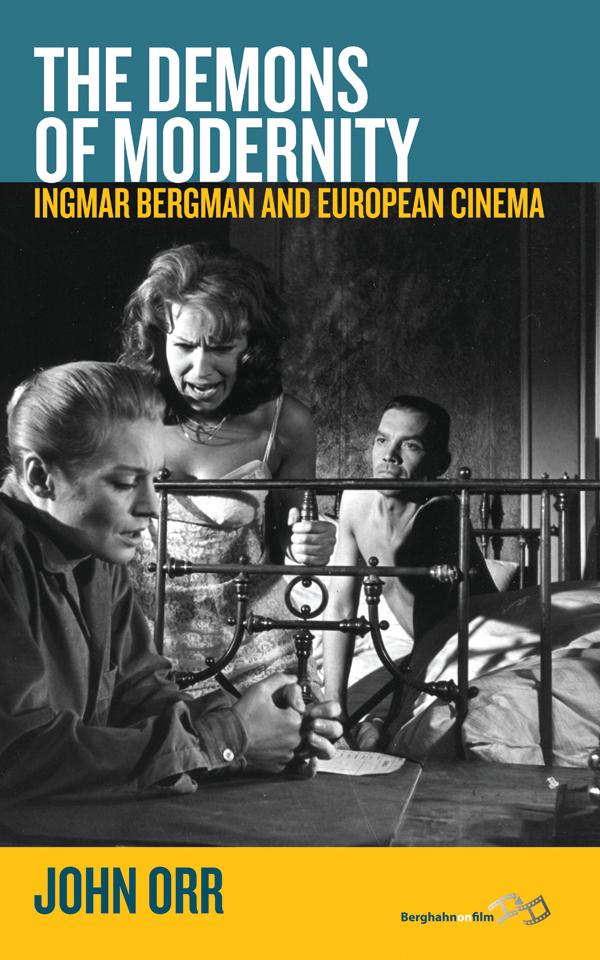
Ingmar Bergman’s films had a very broad and rich relationship with the rest of European cinema, contrary to the myth that Bergman was a peripheral figure, culturally and aesthetically isolated from the rest of Europe. This book contends that he should be put at the very center of European film history by chronologically comparing Bergman’s relationship to key European directors such as Carl Theodor Dreyer, Jean-Luc Godard, Michelangelo Antonioni, and Andrei Tarkovsky, and also looks at Bergman’s critical relationship to key movements in film history such as the French New Wave. In so doing, it demonstrates how Ingmar Bergman’s films illustrate the demonic struggle in modernity between faith and secularity through “his intense preoccupation with the malaise of intimacy.”
Betala smidigt med kort, Klarna, Apple Pay eller Google Pay. Är du inte nöjd har du alltid 14 dagars ångerrätt. Läs mer i våra villkor. Har du några frågor, mejla oss på hello@memmo.org.
Memmo gör det enklare att plugga – var du än är i världen. Hos oss samlar du kursböcker och smarta studieverktyg på ett och samma ställe: sammanfattningar, quiz, poddar och flashcards. Och så Ted, din studiekompis som svarar på allt du undrar. Över 50 000 studenter pluggar redan här – byggt för att du ska lära dig snabbare och stressa mindre.