
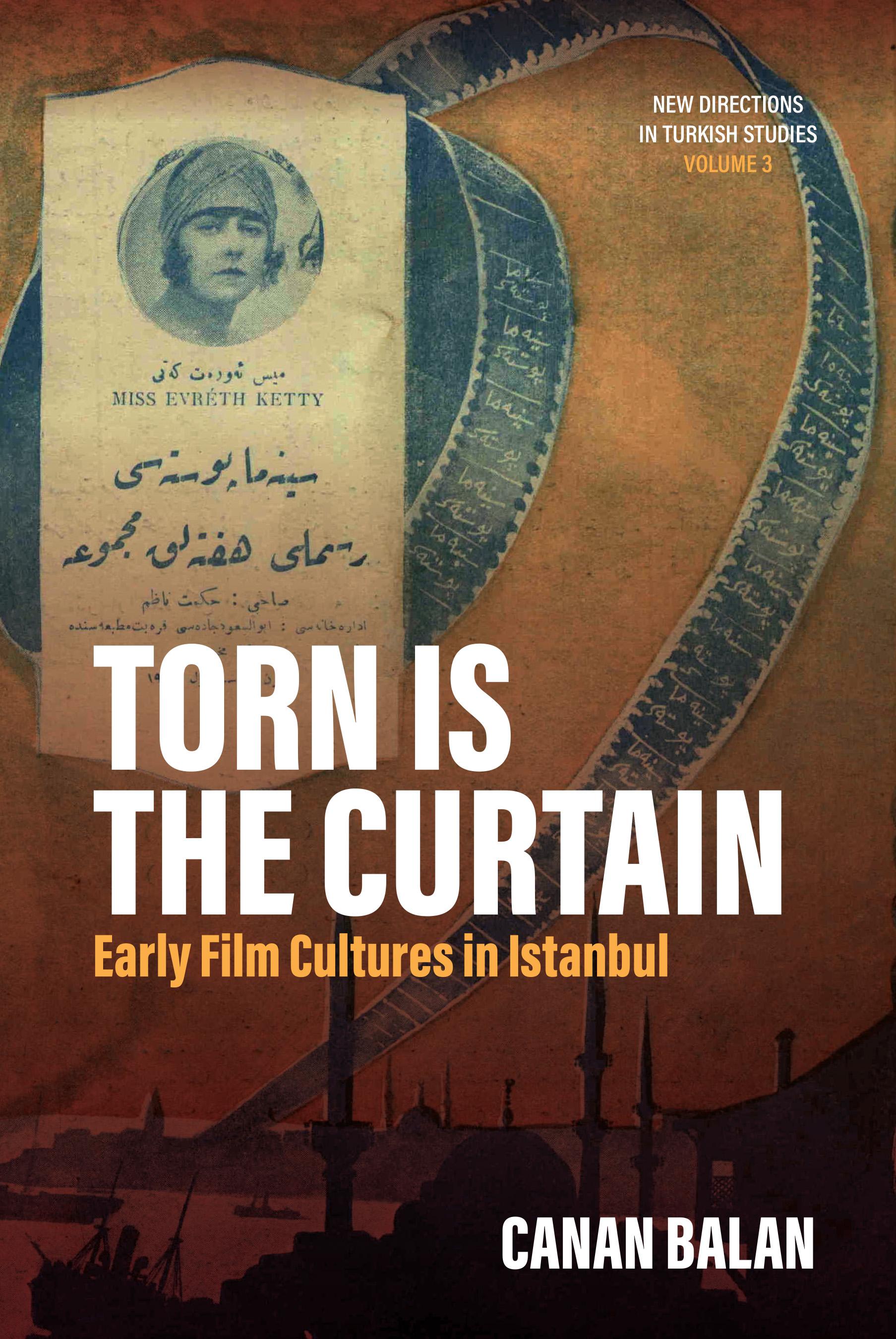
Offering a feminist history of cinema at the edges of empire and the nation-state, this book explores how gender, class, and ethno-religious divisions were projected, performed, and entangled. It Focuses on the former Ottoman capital from the late nineteenth century to the early 1930s and investigates how cinema both reflected and shaped Istanbul’s complex social fabric. Drawing on a wide range of primary sources—including newspapers, trade records, consular reports, memoirs, novels, Islamic teachings, poems, shadow-play texts, and surviving silent films—it situates early cinematic experiences within the intersecting contexts of societal change, gender politics, and competing worldviews. The analysis reveals how religious and cultural practices, particularly the Alevi-Bektashi faith and the women’s movement, informed emerging notions of cinematic modernity and cross-cultural exchange in the region.
Betala smidigt med kort, Klarna, Apple Pay eller Google Pay. Är du inte nöjd har du alltid 14 dagars ångerrätt. Läs mer i våra villkor. Har du några frågor, mejla oss på hello@memmo.org.
Memmo gör det enklare att plugga – var du än är i världen. Hos oss samlar du kursböcker och smarta studieverktyg på ett och samma ställe: sammanfattningar, quiz, poddar och flashcards. Och så Ted, din studiekompis som svarar på allt du undrar. Över 50 000 studenter pluggar redan här – byggt för att du ska lära dig snabbare och stressa mindre.