
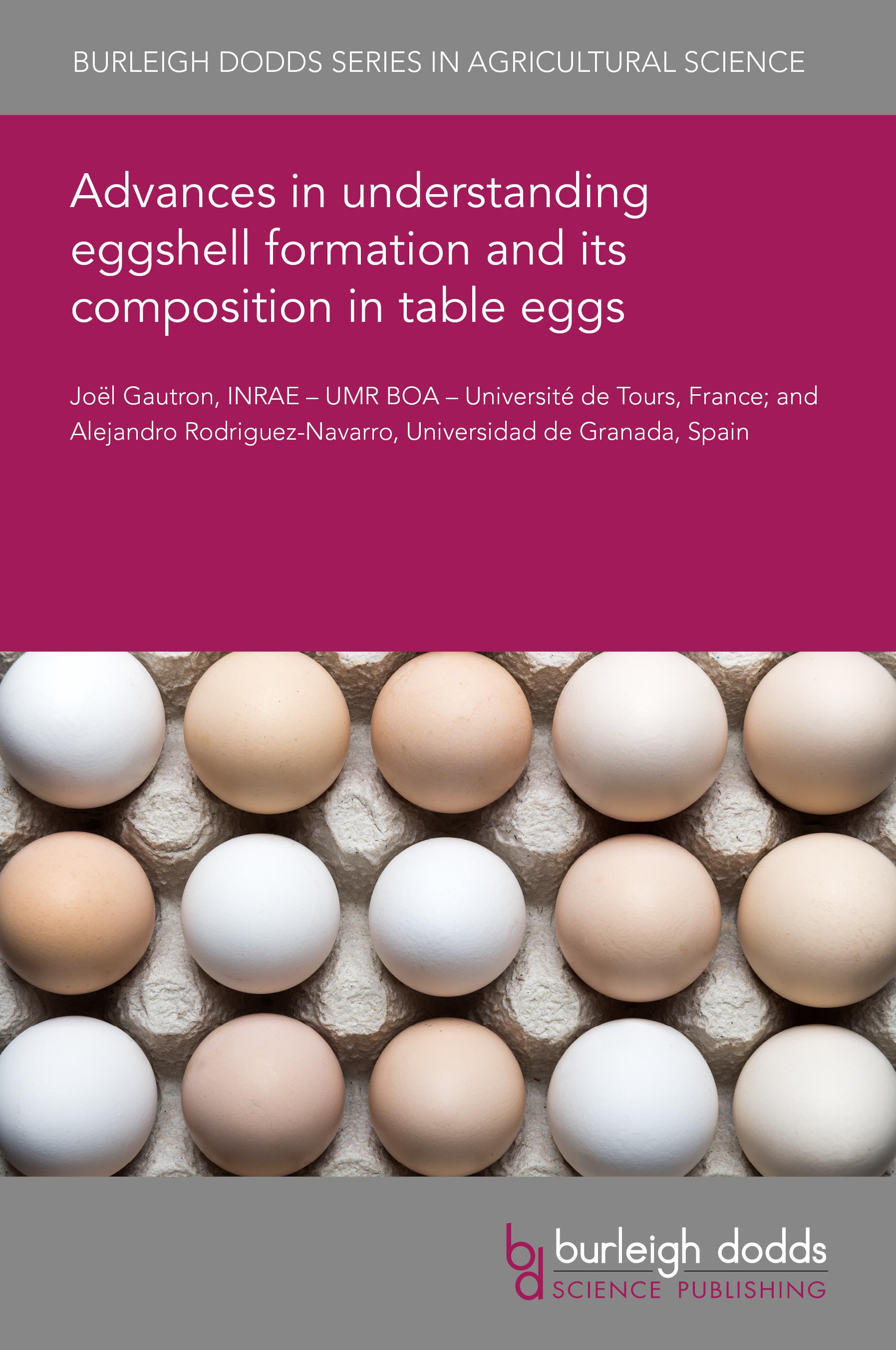
The shell is the only part of the egg that is not consumed, yet its quality is critical to the marketing of eggs. This is especially true as recent developments in egg production systems towards free-range hens and longer production cycles have affected shell quality, particularly its mechanical properties. Here we describe the structure and composition of eggshells and review how eggshell minerals are supplied and regulated to provide the large quantities required for shell formation. The organic matrix also plays a fundamental role, interacting with the mineral phase to give the eggshell its ultrastructure and resulting mechanical properties. Here we describe the composition of this matrix and the mechanisms involved in eggshell formation. The role and importance of amorphous calcium carbonate (ACC) is underlined and detailed. Finally, we describe how all this knowledge could be mobilized to improve eggshells, especially as hens age.
Betala smidigt med kort, Klarna, Apple Pay eller Google Pay. Är du inte nöjd har du alltid 14 dagars ångerrätt. Läs mer i våra villkor. Har du några frågor, mejla oss på hello@memmo.org.
Memmo gör det enklare att plugga – var du än är i världen. Hos oss samlar du kursböcker och smarta studieverktyg på ett och samma ställe: sammanfattningar, quiz, poddar och flashcards. Och så Ted, din studiekompis som svarar på allt du undrar. Över 75 000 studenter pluggar redan här – byggt för att du ska lära dig snabbare och stressa mindre.