
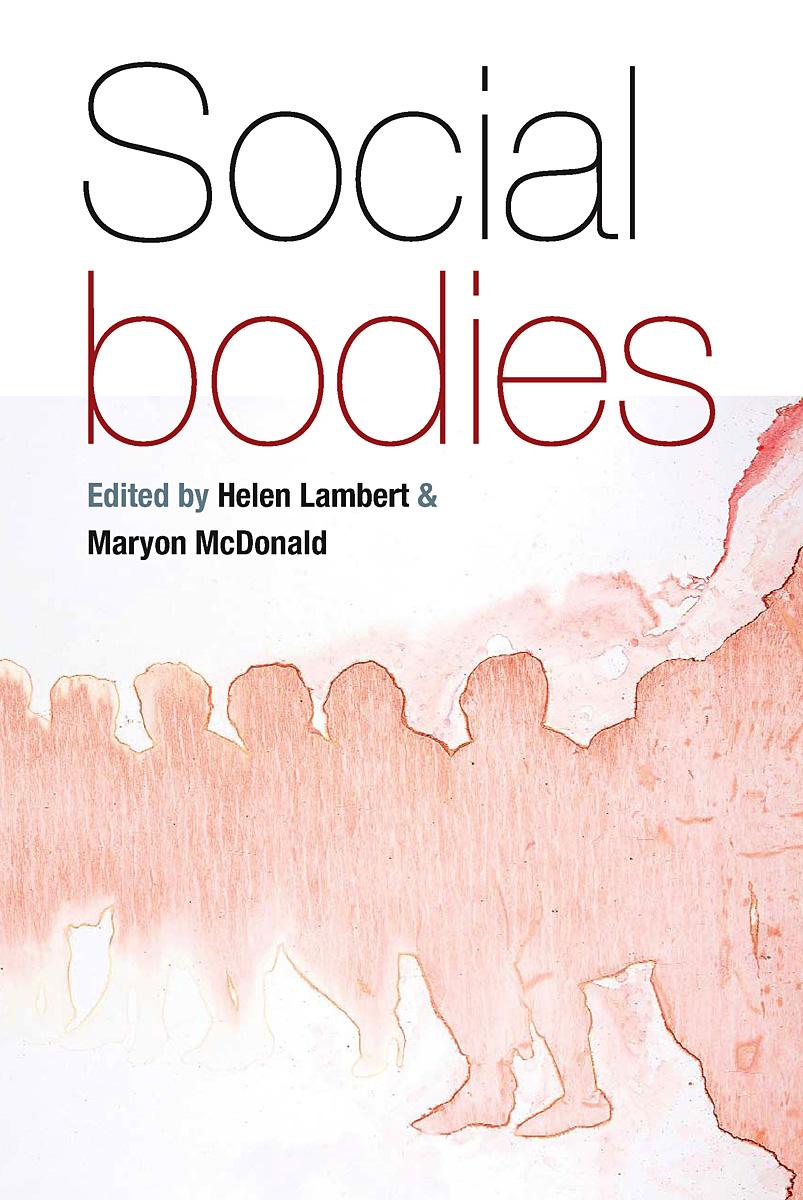
A proliferation of press headlines, social science texts and “ethical” concerns about the social implications of recent developments in human genetics and biomedicine have created a sense that, at least in European and American contexts, both the way we treat the human body and our attitudes towards it have changed.
This volume asks what really happens to social relations in the face of new types of transaction – such as organ donation, forensic identification and other new medical and reproductive technologies - that involve the use of corporeal material. Drawing on comparative insights into how human biological material is treated, it aims to consider how far human bodies and their components are themselves inherently “social.”
The case studies – ranging from animal-human transformations in Amazonia to forensic reconstruction in post-conflict Serbia and the treatment of Native American specimens in English museums – all underline that, without social relations, there are no bodies but only “human remains.” The volume gives us new and striking ethnographic insights into bodies as sociality, as well as a potentially powerful analytical reconsideration of notions of embodiment. It makes a novel contribution, too, to “science and society” debates.
Betala smidigt med kort, Klarna, Apple Pay eller Google Pay. Är du inte nöjd har du alltid 14 dagars ångerrätt. Läs mer i våra villkor. Har du några frågor, mejla oss på hello@memmo.org.
Memmo gör det enklare att plugga – var du än är i världen. Hos oss samlar du kursböcker och smarta studieverktyg på ett och samma ställe: sammanfattningar, quiz, poddar och flashcards. Och så Ted, din studiekompis som svarar på allt du undrar. Över 50 000 studenter pluggar redan här – byggt för att du ska lära dig snabbare och stressa mindre.