
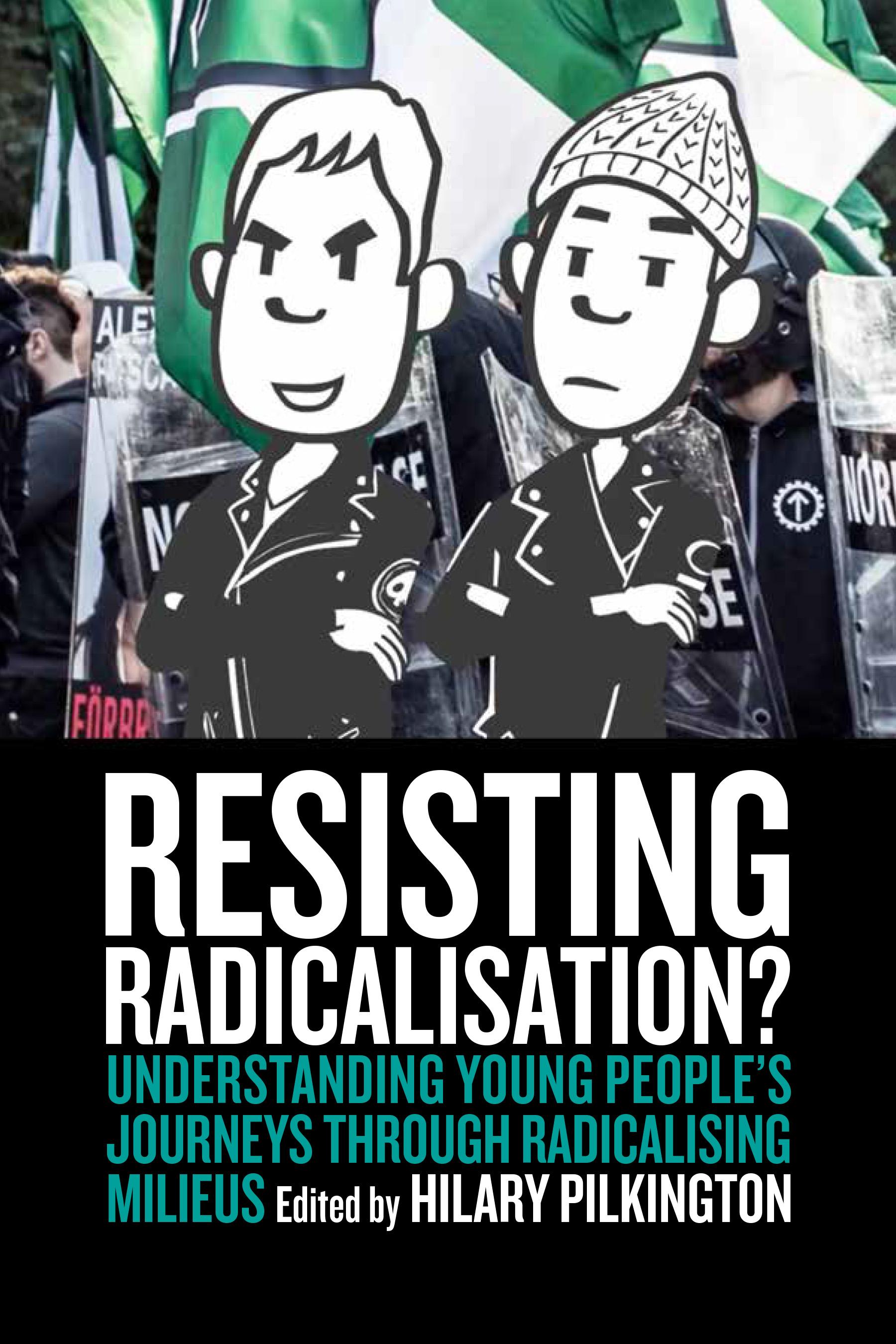
This landmark volume of extensive empirical research conducted across Europe explains how, and why, young people become engaged in radical(ising) milieus but also resist radicalisation into violent extremism.
Offering a critical perspective on the concept of radicalisation, this volume views it from the perspective of social actors who engage in radicalising milieus but for the most part have not crossed the threshold into violent extremism. It brings together contributions conducted as part of a cross-European (including France, Germany, the Netherlands, Greece, Russia, Turkey, the UK, and beyond) study of young people's engagement in ‘extreme right’ and ‘Islamist’ milieus.
It argues that radicalisation is best understood as a relational concept reflecting a social process rooted in relational inequalities but also shaped by interactional and situational dynamics, which not only facilitate but also constrain radicalisation.
Betala smidigt med kort, Klarna, Apple Pay eller Google Pay. Är du inte nöjd har du alltid 14 dagars ångerrätt. Läs mer i våra villkor. Har du några frågor, mejla oss på hello@memmo.org.
Memmo gör det enklare att plugga – var du än är i världen. Hos oss samlar du kursböcker och smarta studieverktyg på ett och samma ställe: sammanfattningar, quiz, poddar och flashcards. Och så Ted, din studiekompis som svarar på allt du undrar. Över 50 000 studenter pluggar redan här – byggt för att du ska lära dig snabbare och stressa mindre.