
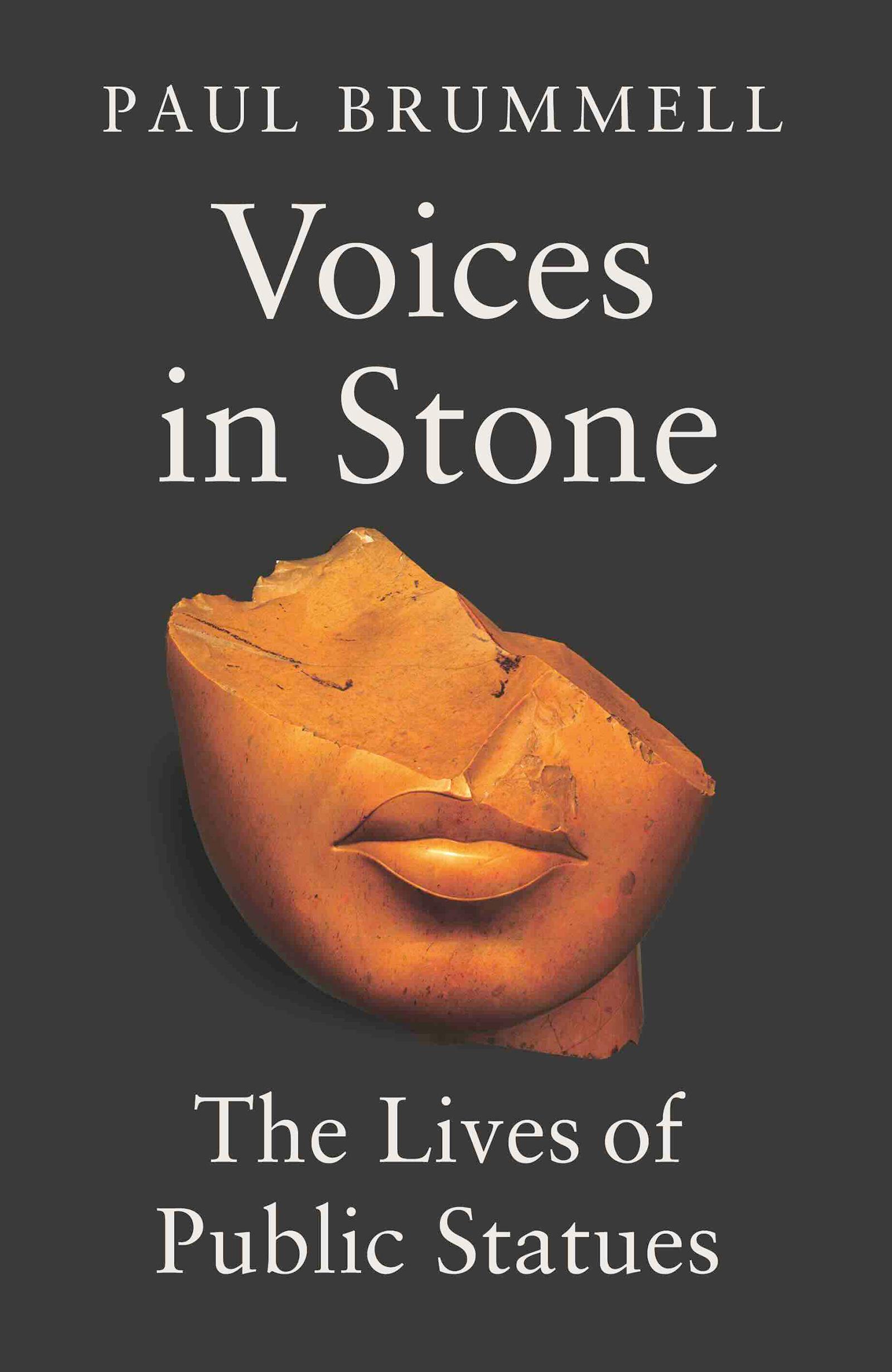
From sculptors to worshippers, patrons to vandals, an era-spanning, globe-trotting exploration of our complex relationship with statues.
Iconoclasm is in the air. Bitter debates rage on social media, in the press and on the streets over the proper fate of statues commemorating controversial figures, whether slave traders, imperialists or Confederate generals. It is an important question—but it cannot truly be answered if we look exclusively at this final, shameful chapter in a monument’s life.
Paul Brummell argues that statues can only be understood by exploring their changing roles throughout an entire, often complex, lifetime. Why do sponsors and sculptors choose to create figurative representations of human subjects? Does the way individuals interact with icons change their significance? What is the impact of the passing of time, as durable images outlive the worldviews of their originators, becoming relics of past regimes? Why do some people believe that rubbing intimate bronze body parts can bring luck? Can statues move, talk—or even kill? And what should we really do with those statues we no longer want?
From a colossal golden Buddha in China to a centrally heated Swedish actress, Brummell tells the vibrant story of the world’s most intriguing public monuments, from ancient times to the present.
Betala smidigt med kort, Klarna, Apple Pay eller Google Pay. Är du inte nöjd har du alltid 14 dagars ångerrätt. Läs mer i våra villkor. Har du några frågor, mejla oss på hello@memmo.org.
Memmo gör det enklare att plugga – var du än är i världen. Hos oss samlar du kursböcker och smarta studieverktyg på ett och samma ställe: sammanfattningar, quiz, poddar och flashcards. Och så Ted, din studiekompis som svarar på allt du undrar. Över 50 000 studenter pluggar redan här – byggt för att du ska lära dig snabbare och stressa mindre.