
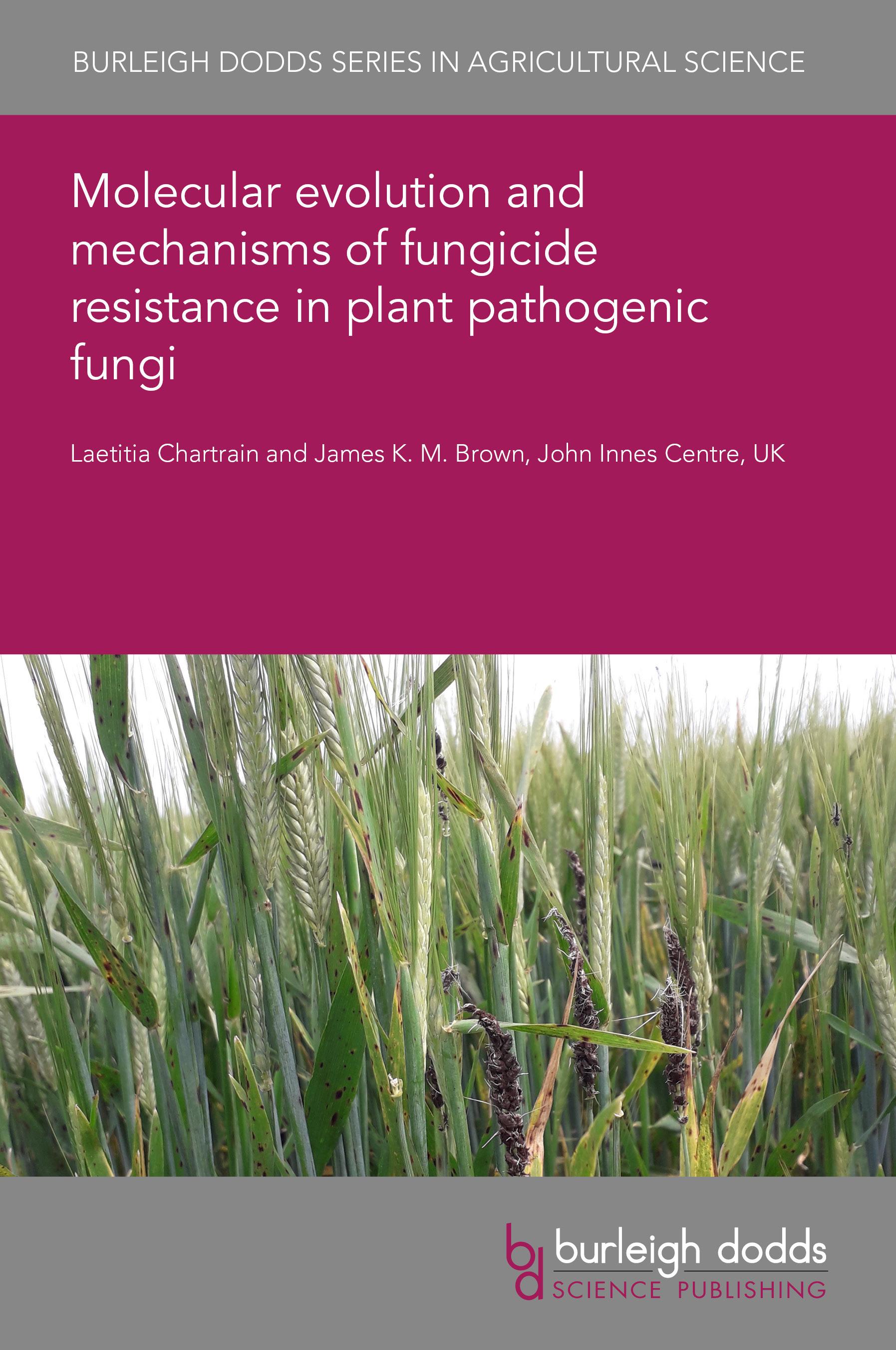
Since the introduction in the late 1960s of systemic fungicides with modes of action involving inhibition of single target sites, resistance to many of these products has evolved in populations of fungal pathogens. Many important pathogens have developed reduced sensitivity to many of the major classes of systemic fungicide used in agriculture and horticulture. This chapter reviews mechanisms of resistance to the most widely-used, broad-spectrum groups of fungicide over the last 50 years, including methyl benzimidazole carbamate (MBC) fungicides, azoles, amines including morpholines and piperidines, succinate dehydrogenase inhibitors (SDHI) and quinone-outside inhibitors (QoI, often known as strobilurins). For each class of fungicide we will discuss the fungal target and explore how resistance operates at the gene and protein level. We focus on powdery mildews as an example because they are one of the major fungal groups against which systemic fungicides are applied, and because they are notorious for the speed at which they have evolved resistance to most of the major classes of fungicide.
Betala smidigt med kort, Klarna, Apple Pay eller Google Pay. Är du inte nöjd har du alltid 14 dagars ångerrätt. Läs mer i våra villkor. Har du några frågor, mejla oss på hello@memmo.org.
Memmo gör det enklare att plugga – var du än är i världen. Hos oss samlar du kursböcker och smarta studieverktyg på ett och samma ställe: sammanfattningar, quiz, poddar och flashcards. Och så Ted, din studiekompis som svarar på allt du undrar. Över 75 000 studenter pluggar redan här – byggt för att du ska lära dig snabbare och stressa mindre.