
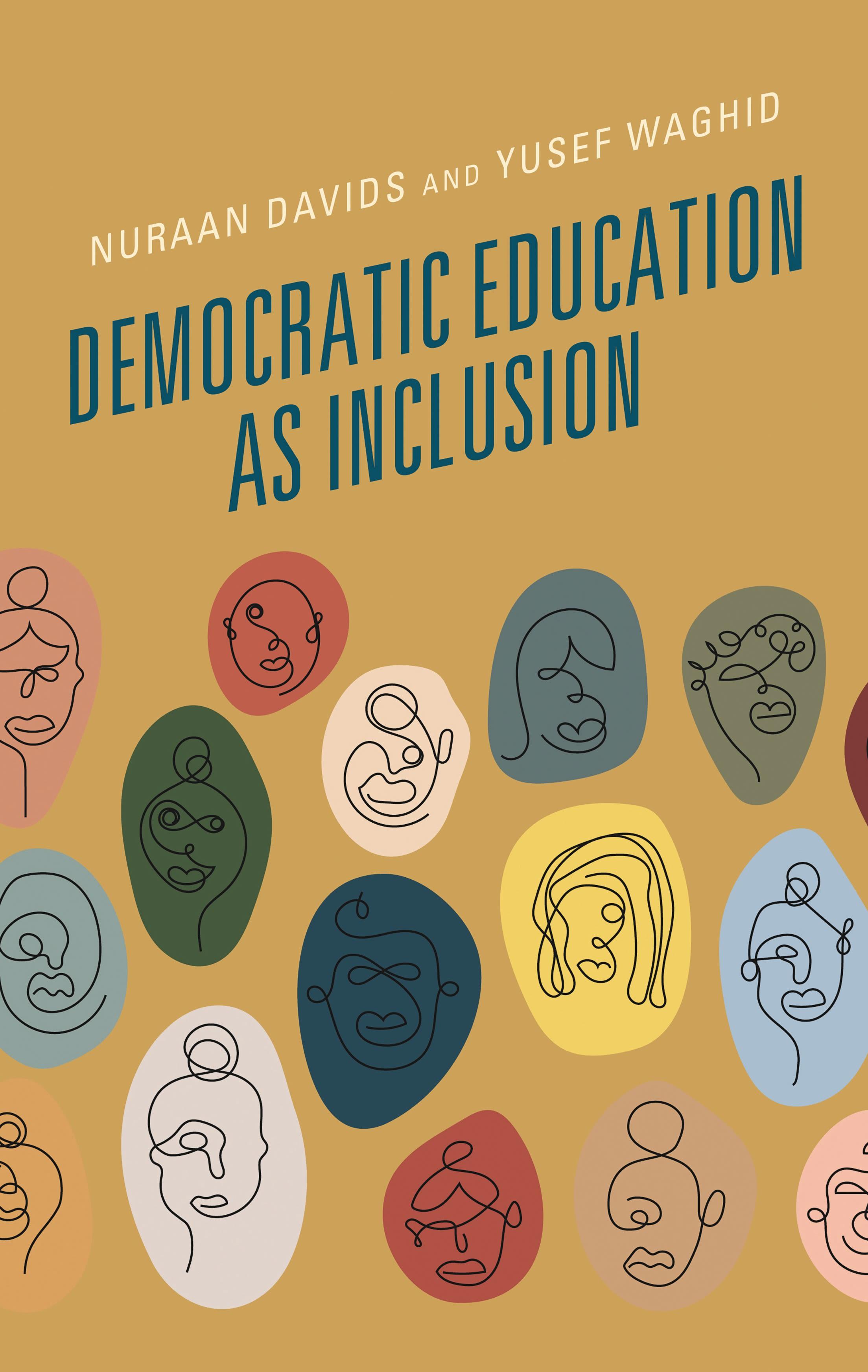
Political and social expectations are often stymied and distorted by individual and communal identities—creating vastly incongruent and unrelated lived experiences, often within the same context. Democratic Education as Inclusion explores how the existence and enactments of diversity continue to present ubiquitous epicenters of misreading, misrecognition, and missed opportunities for peaceful co-existence—whether in established, or nascent democracies. Nuraan Davids and Yusef Waghid study how the public sphere has never held the same meaning to all individuals or groups. As such, there are deep implications for differentiated experiences of citizenship, between those who are included in the center of the sphere, and those who are excluded on the margins. This book explains the dyadic relationship between inclusion and exclusion and how it is not limited to the public sphere, or to broader conceptions of democratic citizenship. It is as apparent in educational settings, presenting under-explored complexities not only for teaching and learning, but for the life experiences of participants in teaching-learning. Often the foundational norms put into place during educational initiations become the primary determinants of how young people conceive of themselves as citizens, and how they conceive of themselves in relation to others.
Betala smidigt med kort, Klarna, Apple Pay eller Google Pay. Är du inte nöjd har du alltid 14 dagars ångerrätt. Läs mer i våra villkor. Har du några frågor, mejla oss på hello@memmo.org.
Memmo gör det enklare att plugga – var du än är i världen. Hos oss samlar du kursböcker och smarta studieverktyg på ett och samma ställe: sammanfattningar, quiz, poddar och flashcards. Och så Ted, din studiekompis som svarar på allt du undrar. Över 50 000 studenter pluggar redan här – byggt för att du ska lära dig snabbare och stressa mindre.