
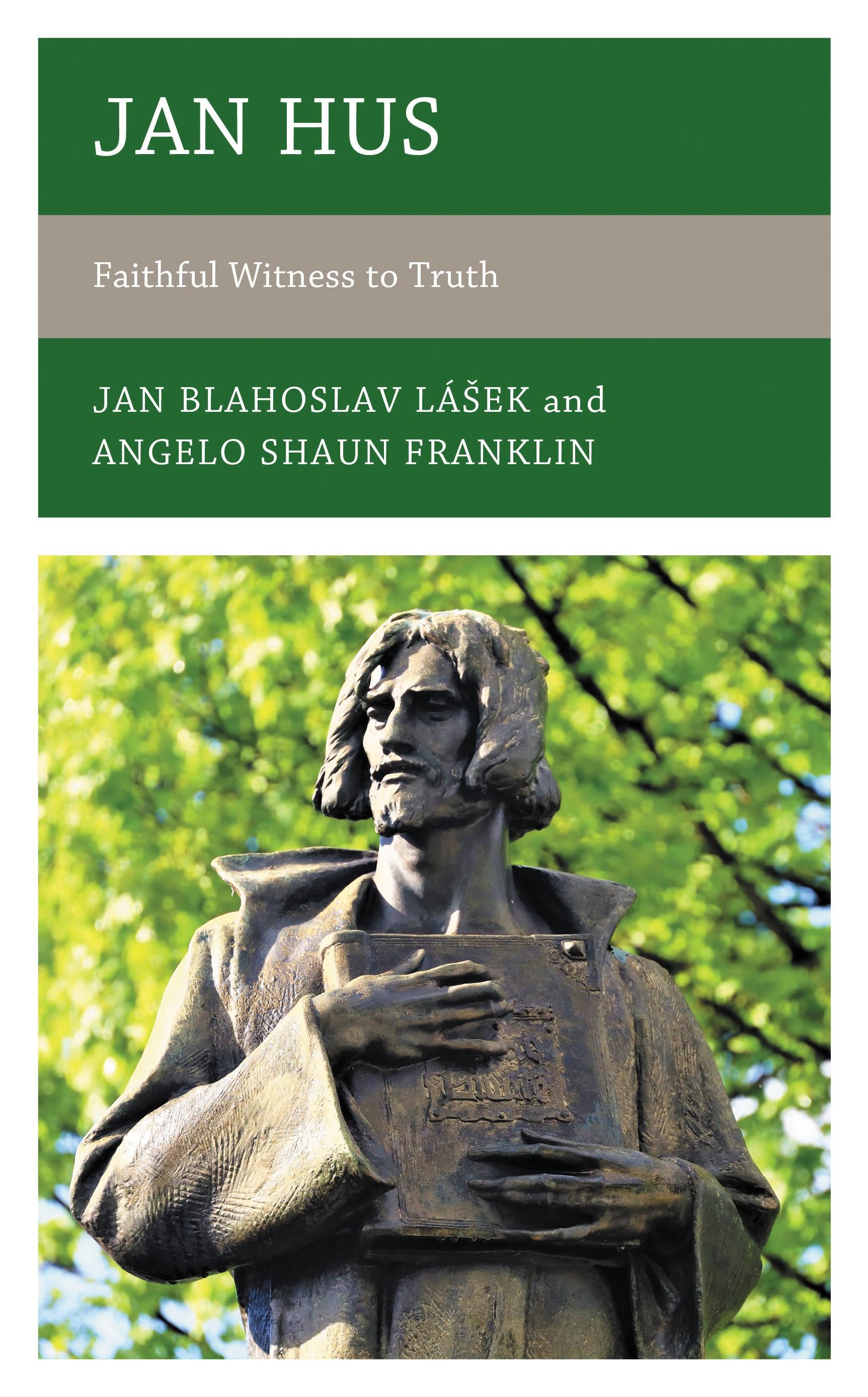
The Bohemian reformer Jan Hus made a substantial and critical contribution to the development of the medieval church, owing especially to his views and teachings on Scripture, the church, faith, conscience, and spirituality. This book offers a presentation of Hus’s theological commitment centered on his understanding of truth. Lášek and Franklin explore Hus's preaching ministry and his long-drawn-out legal struggle against charges of heresy as ethical outworkings of this approach to truth. Central to this exploration is a new annotated translation of Hus’s Appeal to Jesus Christ as the Supreme Judge against the pope and canon law. This document was not only a protest against papal power, but expressed a fundamentally new legal situation: in bypassing canon law, it essentially represented a personal claim to freedom of conscience. This unheard-of principle from within the medieval legal framework preceded other related ecclesiastical and legal developments by several centuries. The authors argue that Hus’s appeal thus represents a momentous event in church history and European history as a whole. Due to the historical significance of his martyrdom and commemoration by many churches throughout Europe, this book demonstrates that Hus remains an important figure not only for the study of European history, but also for understanding contemporary values of Western civilization.
Betala smidigt med kort, Klarna, Apple Pay eller Google Pay. Är du inte nöjd har du alltid 14 dagars ångerrätt. Läs mer i våra villkor. Har du några frågor, mejla oss på hello@memmo.org.
Memmo gör det enklare att plugga – var du än är i världen. Hos oss samlar du kursböcker och smarta studieverktyg på ett och samma ställe: sammanfattningar, quiz, poddar och flashcards. Och så Ted, din studiekompis som svarar på allt du undrar. Över 50 000 studenter pluggar redan här – byggt för att du ska lära dig snabbare och stressa mindre.