
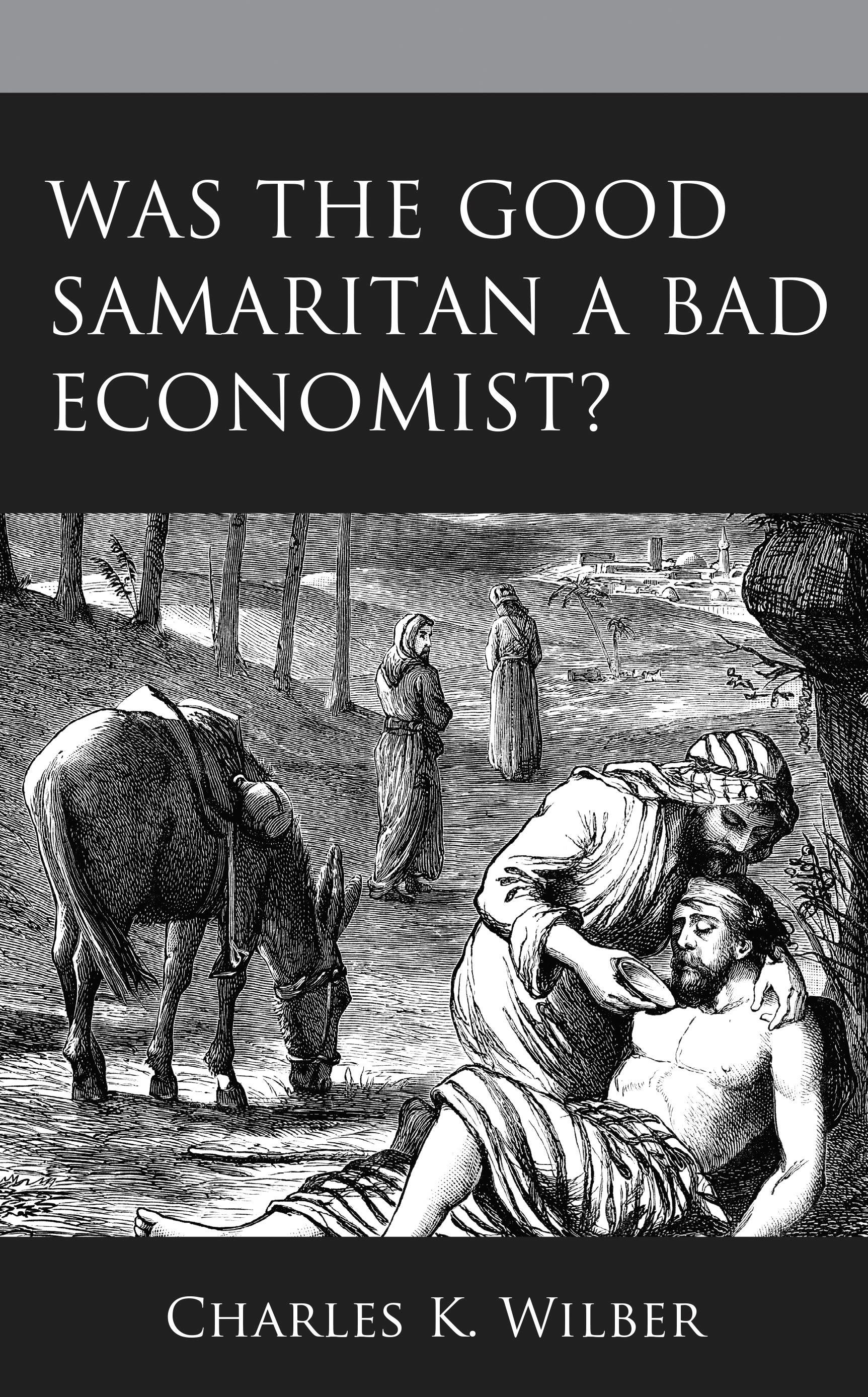
In Was the Good Samaritan a Bad Economist? Charles K. Wilber argues that the American economy has not only failed to overcome poverty, it has generated extreme inequality that in turn restricts social mobility and further marginalizes the poor. Wilber argues that economic theory is permeated with ethical values and any economics must be so; that human behavior is more complex than the economists’ simple self-interest model; that people are also driven by deeply embedded moral values; that markets require intervention to create equity; and that Catholic social thought provides the perspective and values to develop a more relevant social economics. The author takes that modified economics and uses it to analyze specific social problems: labor markets, poverty, inequality, financial crisis, and development. Wilber next focuses on the important role of families, labor unions, parishes, and small Christian communities, such as the Catholic Worker movement, as mediating institutions in the economy. He concludes with a final look at the questions, "Was the Good Samaritan a Bad Economist?".
Betala smidigt med kort, Klarna, Apple Pay eller Google Pay. Är du inte nöjd har du alltid 14 dagars ångerrätt. Läs mer i våra villkor. Har du några frågor, mejla oss på hello@memmo.org.
Memmo gör det enklare att plugga – var du än är i världen. Hos oss samlar du kursböcker och smarta studieverktyg på ett och samma ställe: sammanfattningar, quiz, poddar och flashcards. Och så Ted, din studiekompis som svarar på allt du undrar. Över 50 000 studenter pluggar redan här – byggt för att du ska lära dig snabbare och stressa mindre.