
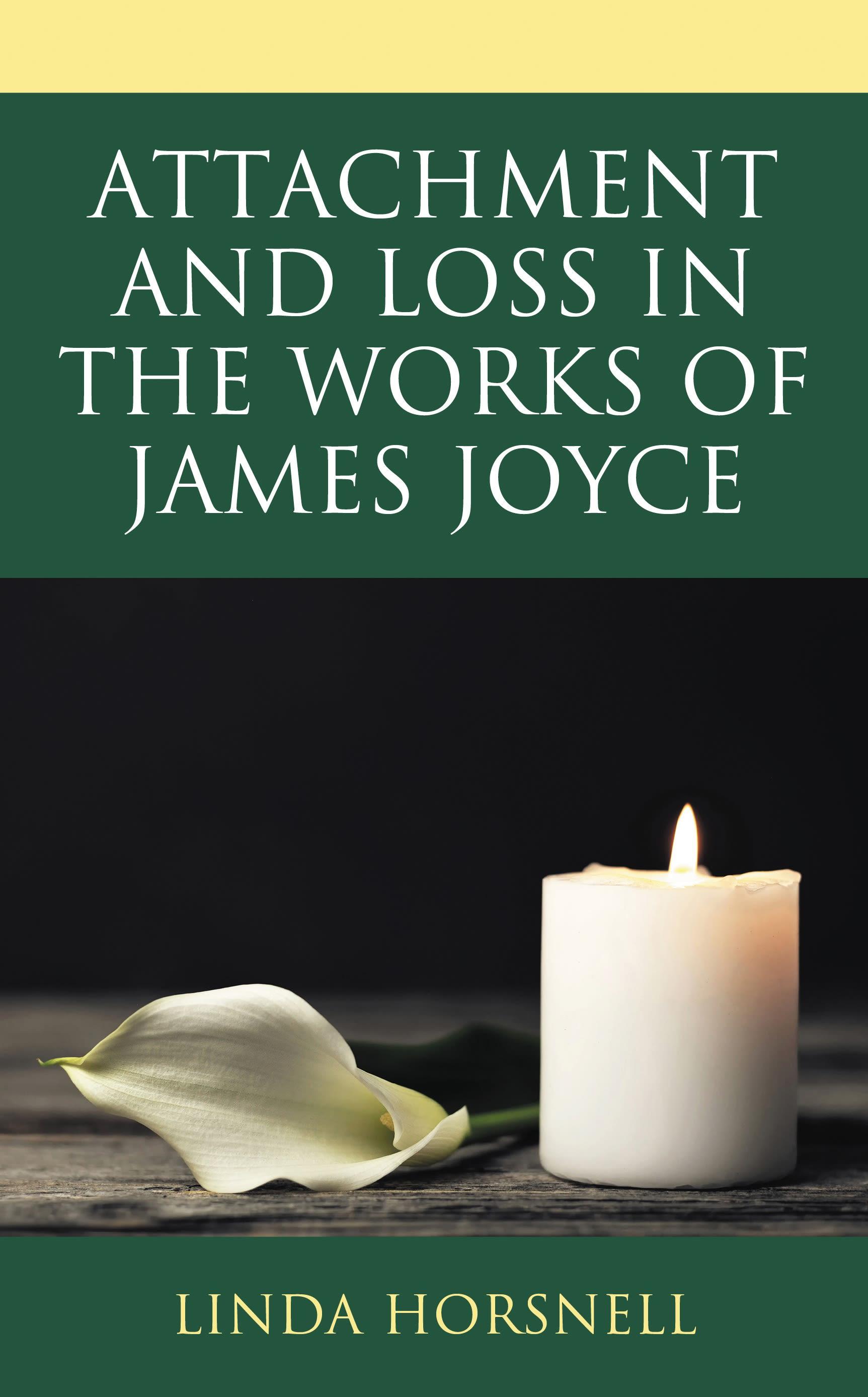
Using John Bowlby's Attachment Theory as a frame of reference, Attachment and Loss in the Works of James Joyce critically analyzes James Joyce's representation of grief. Based on cognitive, emotional and behavioral elements, Attachment Theory allows for new and innovative readings to emerge which differ from those offered by Freudian, Lacanian, and Jungian paradigms. Acknowledging the importance of the Theory of Mind and Reader Response, this book uses the concept of internal working models to elucidate how the childhood experiences with which Joyce has endowed his protagonists ultimately leads to how they respond to loss. The texts of Dubliners, Portrait of the Artist and Ulysses, show how central separation and loss were to Joyce’s work. It provides examples of such experiences in different age groups, under differing circumstances and at different stages in the grief process. Attachment Theory highlights the complexity of human relationships throughout the life cycle, not only how they can affect the grief process but how grief affects them.
Betala smidigt med kort, Klarna, Apple Pay eller Google Pay. Är du inte nöjd har du alltid 14 dagars ångerrätt. Läs mer i våra villkor. Har du några frågor, mejla oss på hello@memmo.org.
Memmo gör det enklare att plugga – var du än är i världen. Hos oss samlar du kursböcker och smarta studieverktyg på ett och samma ställe: sammanfattningar, quiz, poddar och flashcards. Och så Ted, din studiekompis som svarar på allt du undrar. Över 50 000 studenter pluggar redan här – byggt för att du ska lära dig snabbare och stressa mindre.