
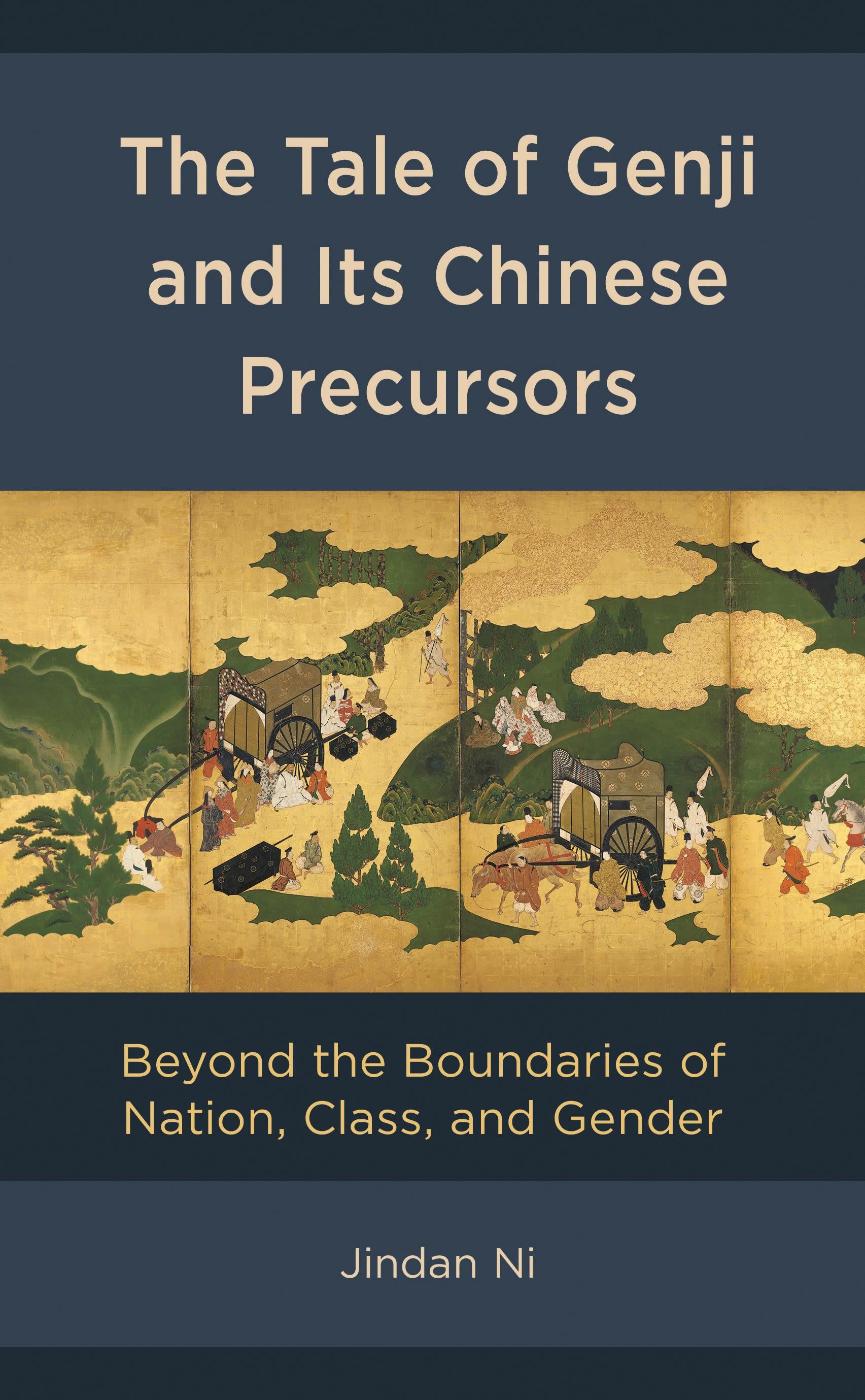
In The Tale of Genji and Its Chinese Precursors: Beyond the Boundaries of Nation, Class, and Gender, Jindan Ni departs from a “nativist” tradition which views The Tale of Genji as epitomizing an exclusively Japanese aesthetic distinct from Chinese influence and Buddhist values. Ni contests the traditional focus on Japanese essentialism by detailing the impact of Chinese literary forms and presenting the Japanese Heian Court as a site of dynamic and complex literary interchange. Combining close reading, the archival work of Japanese and Chinese scholars, and comparative literary theory, Ni argues that Murasaki Shikibu avoided the constraint of a single literary tradition by drawing on Chinese intertexts. Ni’s account reveals the heterogeneity that makes The Tale of Genji a masterpiece with enduring appeal.
Betala smidigt med kort, Klarna, Apple Pay eller Google Pay. Är du inte nöjd har du alltid 14 dagars ångerrätt. Läs mer i våra villkor. Har du några frågor, mejla oss på hello@memmo.org.
Memmo gör det enklare att plugga – var du än är i världen. Hos oss samlar du kursböcker och smarta studieverktyg på ett och samma ställe: sammanfattningar, quiz, poddar och flashcards. Och så Ted, din studiekompis som svarar på allt du undrar. Över 50 000 studenter pluggar redan här – byggt för att du ska lära dig snabbare och stressa mindre.