
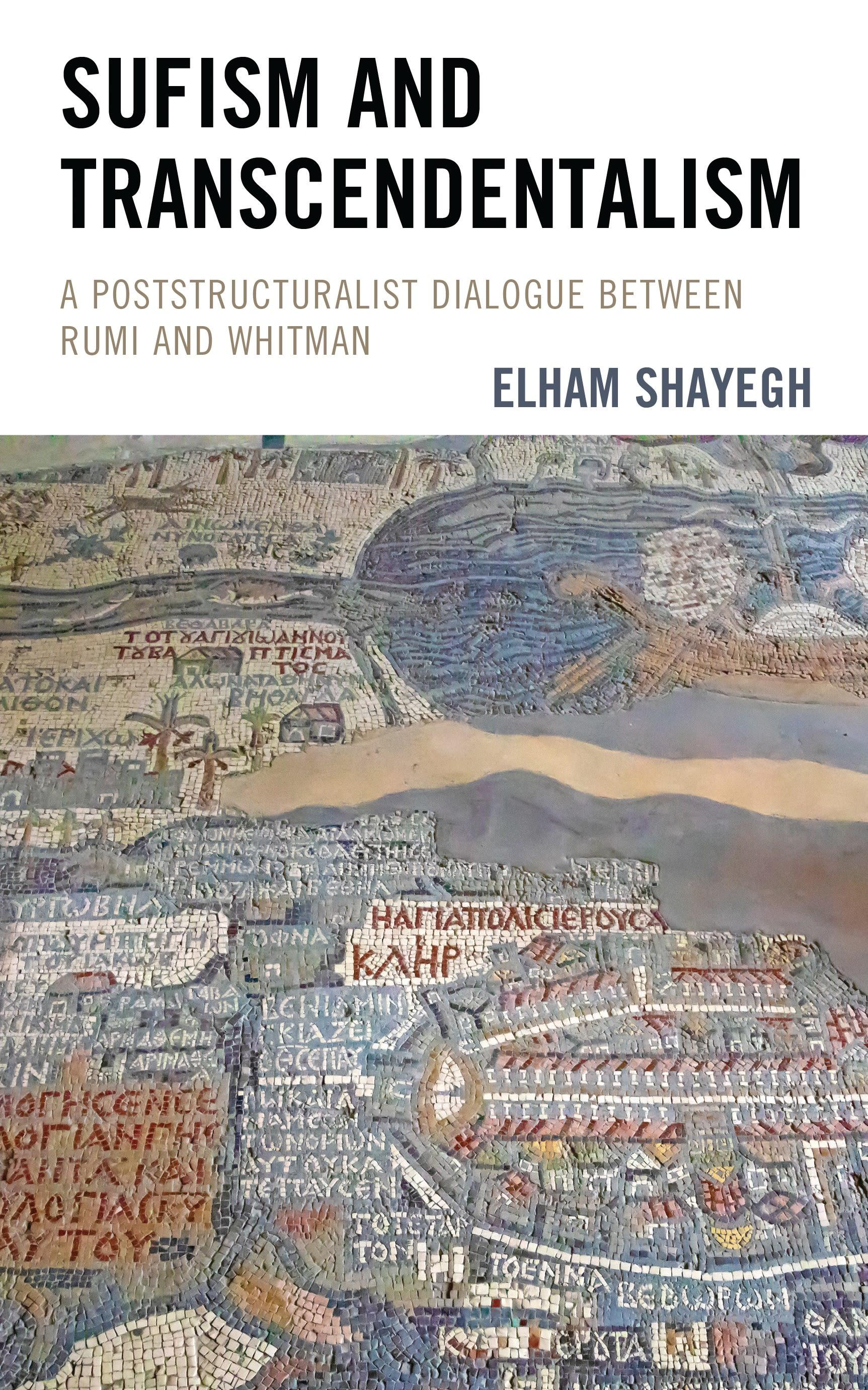
The rhetoric of cultural identity generally goes in two potential directions: One a universal line that insists on an overall pattern of integration and harmony among all peoples regardless of their differences, and the other a line which suggests that various cultures are so specific and different that they will eventually enter into clash, violence and war. Drawing upon Derrida's concept of differance, I will point out that such rhetoric as examples of current political discourses fail to open the concept of cultural identity through redefining its relationship with otherness. This will be accompanied by poetry of Rumi and Whitman to suggest that their literary language through its non-dialectic characteristics is familiar with the problematic of identity and has the ability to form a cross-cultural dialogue. Sufism And Transcendentalism envisages the possibility of dialogue against the background of political conflict.
Betala smidigt med kort, Klarna, Apple Pay eller Google Pay. Är du inte nöjd har du alltid 14 dagars ångerrätt. Läs mer i våra villkor. Har du några frågor, mejla oss på hello@memmo.org.
Memmo gör det enklare att plugga – var du än är i världen. Hos oss samlar du kursböcker och smarta studieverktyg på ett och samma ställe: sammanfattningar, quiz, poddar och flashcards. Och så Ted, din studiekompis som svarar på allt du undrar. Över 50 000 studenter pluggar redan här – byggt för att du ska lära dig snabbare och stressa mindre.