
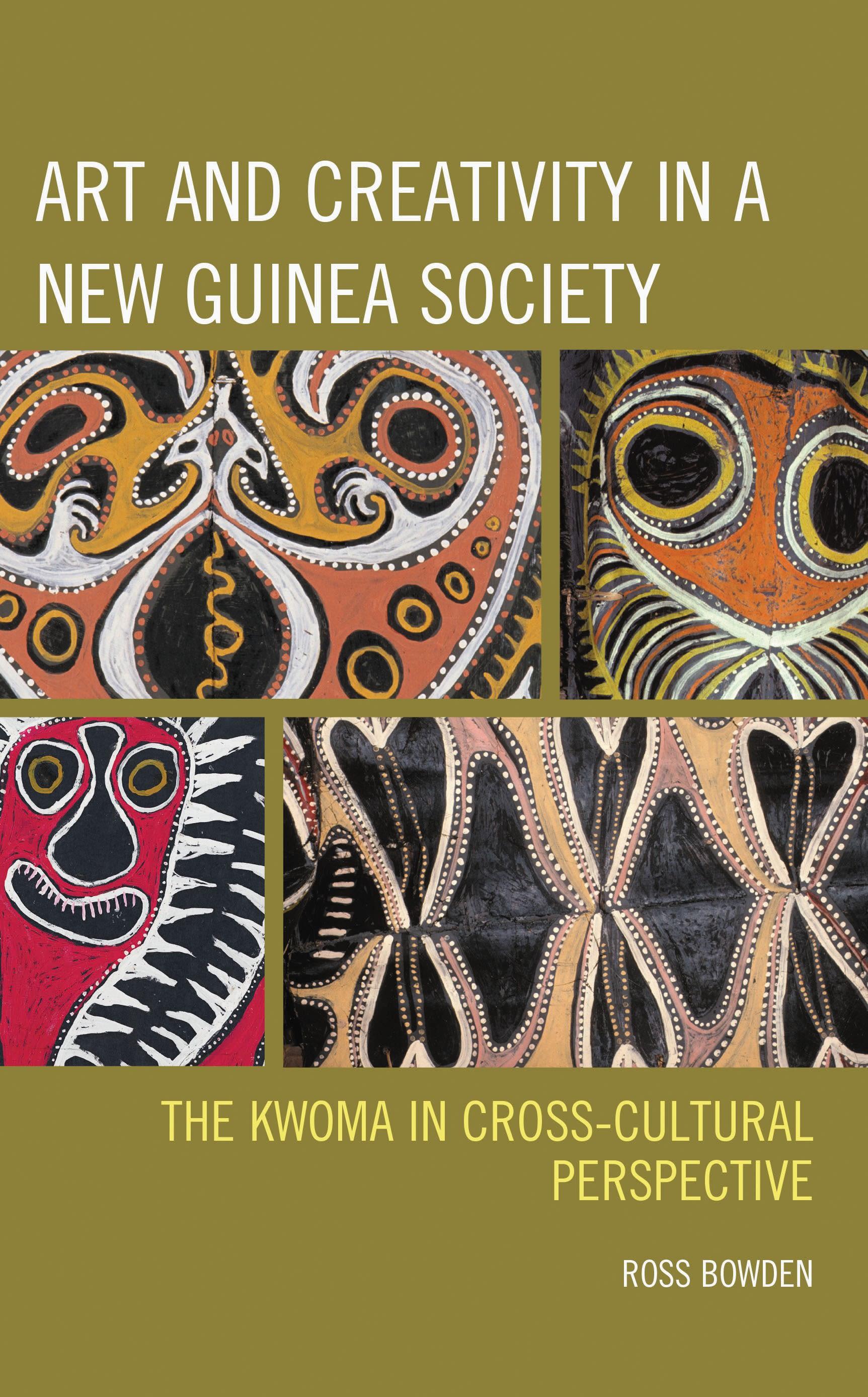
The Kwoma, the subject of this book, are one of a number of peoples in the Sepik River region of northern Papua New Guinea who have created some of the most distinctive visual art in the Pacific. Through case studies of their painting, sculpture, architecture and ritual this book examines in detail how people in this society understand their art as a cultural phenomenon. This includes how they understand its origins in the spirit world, how they judge quality in art and how they understand artistic creativity. The book contrasts Kwoma beliefs with the radically different approach to art found in the modern West. The modern Western concept of art first emerged not in the eighteenth century in the Enlightenment, or even later, as anthropologists and art historians often assume, but several centuries earlier in the Renaissance. The book gives an account of radical changes that took place culturally in Europe between the twelfth and sixteenth centuries in the way human intellectual creativity was understood, and how this gave rise to a new concept of art, one that remains unchanged in the modern West today.
Betala smidigt med kort, Klarna, Apple Pay eller Google Pay. Är du inte nöjd har du alltid 14 dagars ångerrätt. Läs mer i våra villkor. Har du några frågor, mejla oss på hello@memmo.org.
Memmo gör det enklare att plugga – var du än är i världen. Hos oss samlar du kursböcker och smarta studieverktyg på ett och samma ställe: sammanfattningar, quiz, poddar och flashcards. Och så Ted, din studiekompis som svarar på allt du undrar. Över 50 000 studenter pluggar redan här – byggt för att du ska lära dig snabbare och stressa mindre.