
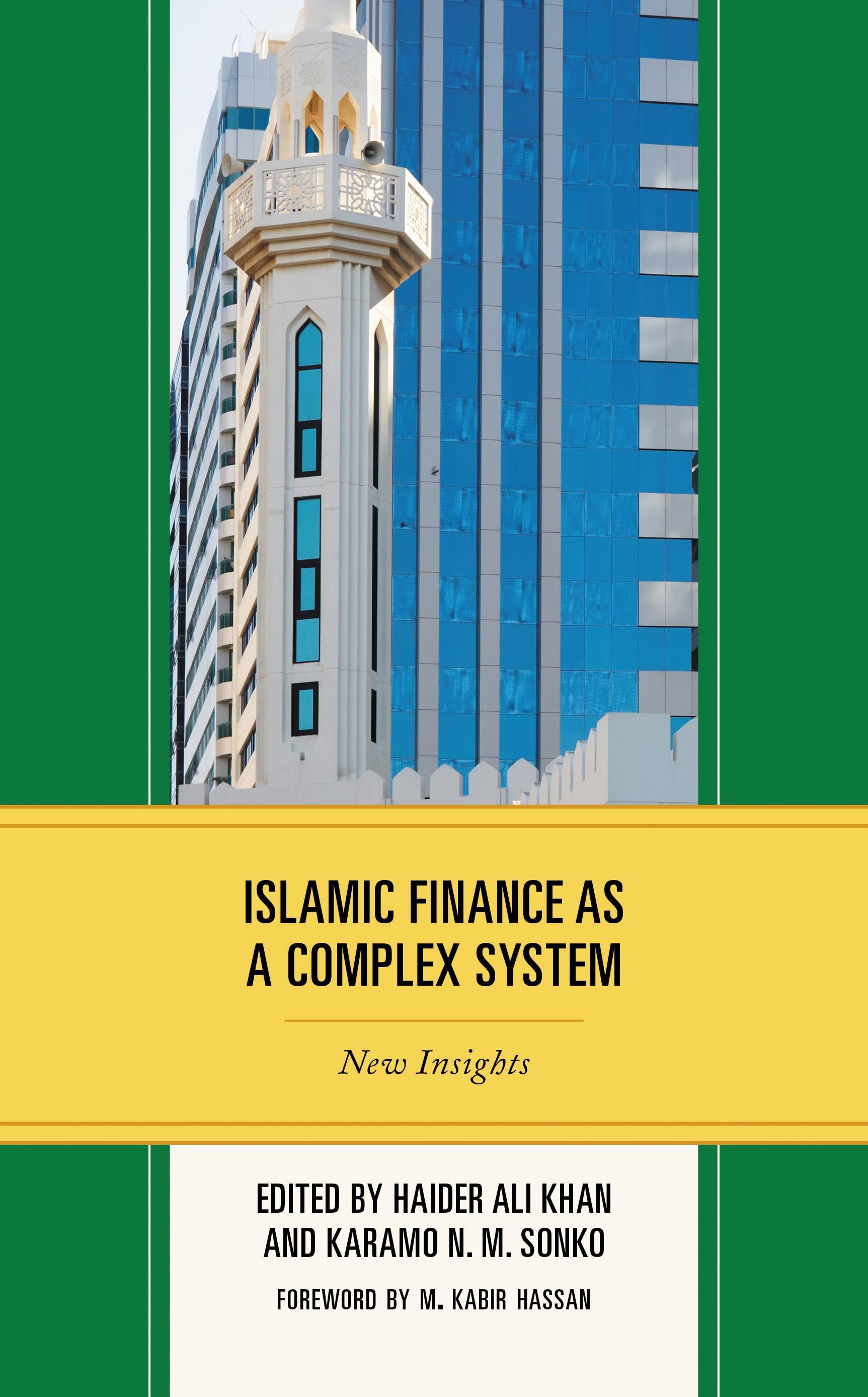
There has been a rapid increase in the interest in the study of Islamic finance, resulting in a dramatic rise in financing since the beginning of the century. By the end of 2017 global industry assets had reached $2.4 trillion and were forecasted to reach $3.2 trillion by 2020, despite historic challenges to Islam itself at the same time. This collection of chapters provides key theoretical, empirical, and policy insights into Islamic finance from an overall complex financial and economic systems perspective. Within the complex financial and economic systems framework, this book addresses questions such as how to conceptualize Islamic financial institutions in a nonlinear general equilibrium system, how to promote Islamic Finance in Africa, how “Islamic” is Islamic finance, and how it affects price stability, among other topics. The book provides case studies in Africa and Asia, addresses the subject in a structural financial CGE model, demonstrates the development impact of Islamic finance, and presents an Islamic version of the Iceland Plan for Monetary Reform.
Betala smidigt med kort, Klarna, Apple Pay eller Google Pay. Är du inte nöjd har du alltid 14 dagars ångerrätt. Läs mer i våra villkor. Har du några frågor, mejla oss på hello@memmo.org.
Memmo gör det enklare att plugga – var du än är i världen. Hos oss samlar du kursböcker och smarta studieverktyg på ett och samma ställe: sammanfattningar, quiz, poddar och flashcards. Och så Ted, din studiekompis som svarar på allt du undrar. Över 50 000 studenter pluggar redan här – byggt för att du ska lära dig snabbare och stressa mindre.