
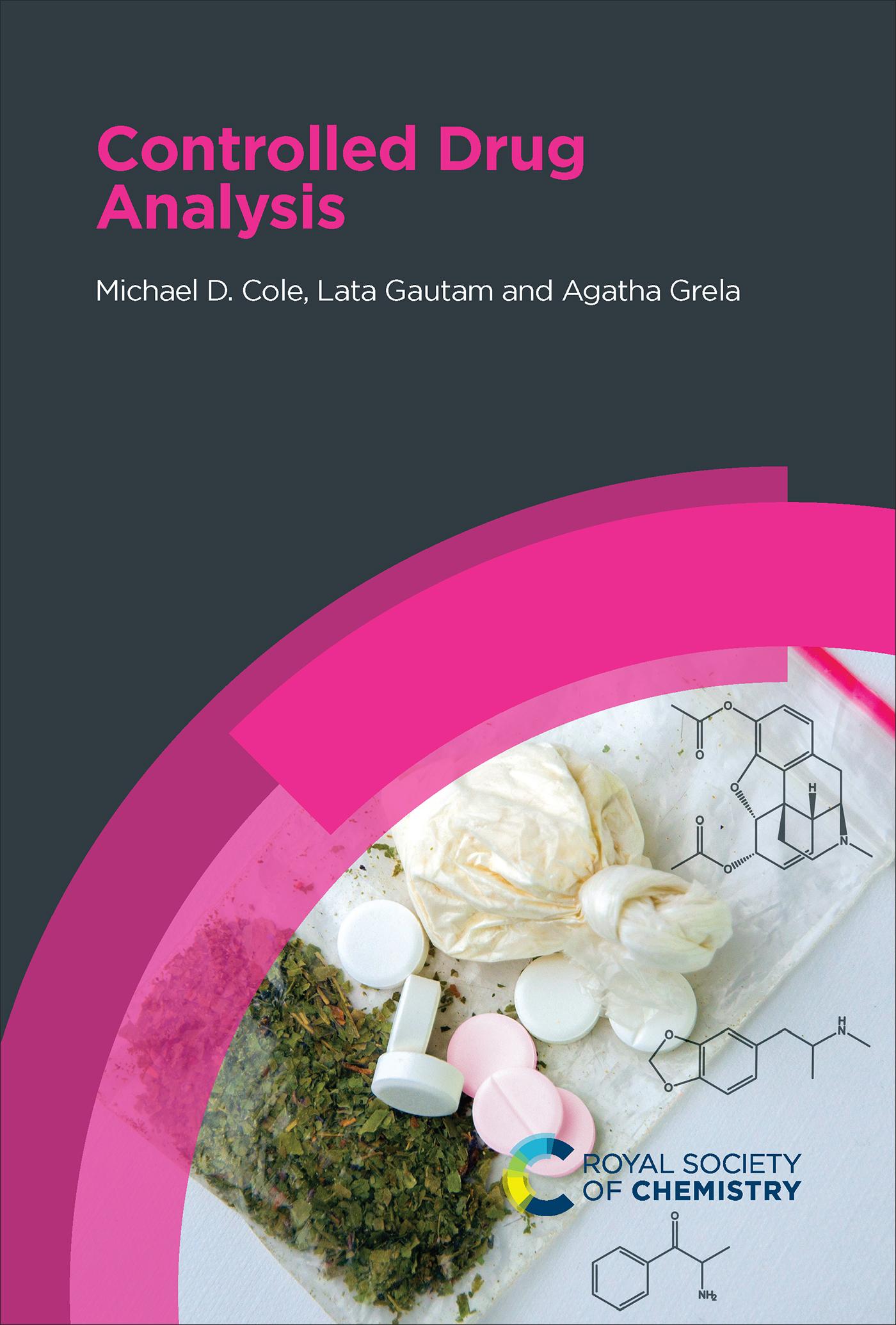
Development of new techniques and methods for analysis of controlled substances brings a different way of considering drug analysis, which is articulated for the first time in this new text. In addition to a modern treatment of the widely known drugs (e.g. cannabis, heroin, cocaine, amphetamines, ring substituted amphetamines) and pharmaceuticals which are used as recreational drugs (e.g. barbiturates, benzodiazepines), the book considers prominent drug classes that have not yet received systematic treatment in a textbook (for example synthetic cannabinoids, piperazines, cathinones, fentanyls). Aimed at undergraduate and postgraduate taught programmes, the book includes methods for drug analysis and comparison using physical, biologically based, comparative and numerical techniques. It will also serve as a reference point for research students and practising forensic scientists. It introduces statistical methods for drug sample comparison and the appropriateness of some of the statistical techniques for drug analysis and examines their use. It also considers newly developed analytical methods and significant legislative changes.
Aimed at academics delivering forensic science courses in particular, it could also be used by chemistry, biochemistry, criminalistics, criminology and law, and policing students on MSc forensic science courses, and postgraduate research candidates.
Betala smidigt med kort, Klarna, Apple Pay eller Google Pay. Är du inte nöjd har du alltid 14 dagars ångerrätt. Läs mer i våra villkor. Har du några frågor, mejla oss på hello@memmo.org.
Memmo gör det enklare att plugga – var du än är i världen. Hos oss samlar du kursböcker och smarta studieverktyg på ett och samma ställe: sammanfattningar, quiz, poddar och flashcards. Och så Ted, din studiekompis som svarar på allt du undrar. Över 50 000 studenter pluggar redan här – byggt för att du ska lära dig snabbare och stressa mindre.