
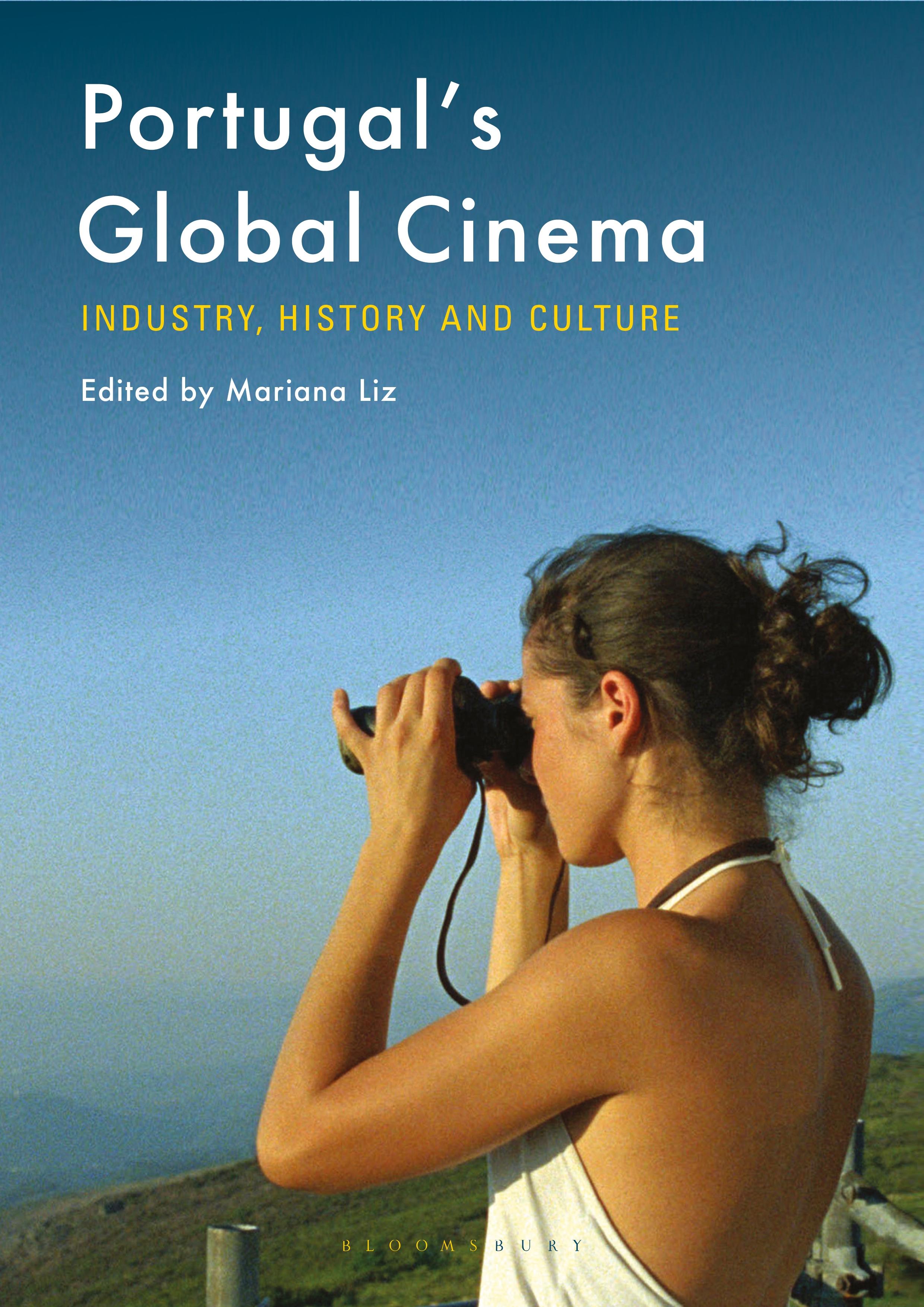
Portuguese cinema has become increasingly prominent on the international film festival circuit, proving the country's size belies its cultural impact. From the prestige of directors Manoel de Oliveira, Pedro Costa and Miguel Gomes, to box-office hit La Cage Doree, aspects of Portuguese national cinema are widely visible although the output is comparatively small compared to European players like the UK, Germany and France. Considering this strange discrepancy prompts the question: how can Portuguese cinema be characterised and thought about in a global context?
Accumulating expertise from an international group of scholars, this book investigates the shifting significance of the nation, Europe and the globe for the way in which Portuguese film is managed on the international stage. Chapters argue that film industry professionals and artisans must navigate complex globalised systems that inform their filmmaking decisions. Expectations from multi-cultural audiences, as well as demands from business investors and the criteria for critical accolades put pressure on Portuguese cinema to negotiate, for example, how far to retain national identities on screen and how to interact with `popular' and `art' film tropes and labels. Exploring themes typical of Portuguese visual culture - including social exclusion and unemployment, issues of realism and authenticity, and addressing Portugal's postcolonial status - this book is a valuable study of interest to the ever-growing number of scholars looking outside the usual canons of European cinema, and those researching the ongoing implications of national cinema's global networks.
Accumulating expertise from an international group of scholars, this book investigates the shifting significance of the nation, Europe and the globe for the way in which Portuguese film is managed on the international stage. Chapters argue that film industry professionals and artisans must navigate complex globalised systems that inform their filmmaking decisions. Expectations from multi-cultural audiences, as well as demands from business investors and the criteria for critical accolades put pressure on Portuguese cinema to negotiate, for example, how far to retain national identities on screen and how to interact with `popular' and `art' film tropes and labels. Exploring themes typical of Portuguese visual culture - including social exclusion and unemployment, issues of realism and authenticity, and addressing Portugal's postcolonial status - this book is a valuable study of interest to the ever-growing number of scholars looking outside the usual canons of European cinema, and those researching the ongoing implications of national cinema's global networks.
Sidor: 304
Kategori: Film- & Medievetenskap
e-ISBN: 9781786722751
Fraktvikt: 1.2 kg
Skickas inom: 1-2 dagar
Betala smidigt med kort, Klarna, Apple Pay eller Google Pay. Är du inte nöjd har du alltid 14 dagars ångerrätt. Läs mer i våra villkor. Har du några frågor, mejla oss på hello@memmo.org.
Memmo gör det enklare att plugga – var du än är i världen. Hos oss samlar du kursböcker och smarta studieverktyg på ett och samma ställe: sammanfattningar, quiz, poddar och flashcards. Och så Ted, din studiekompis som svarar på allt du undrar. Över 50 000 studenter pluggar redan här – byggt för att du ska lära dig snabbare och stressa mindre.