
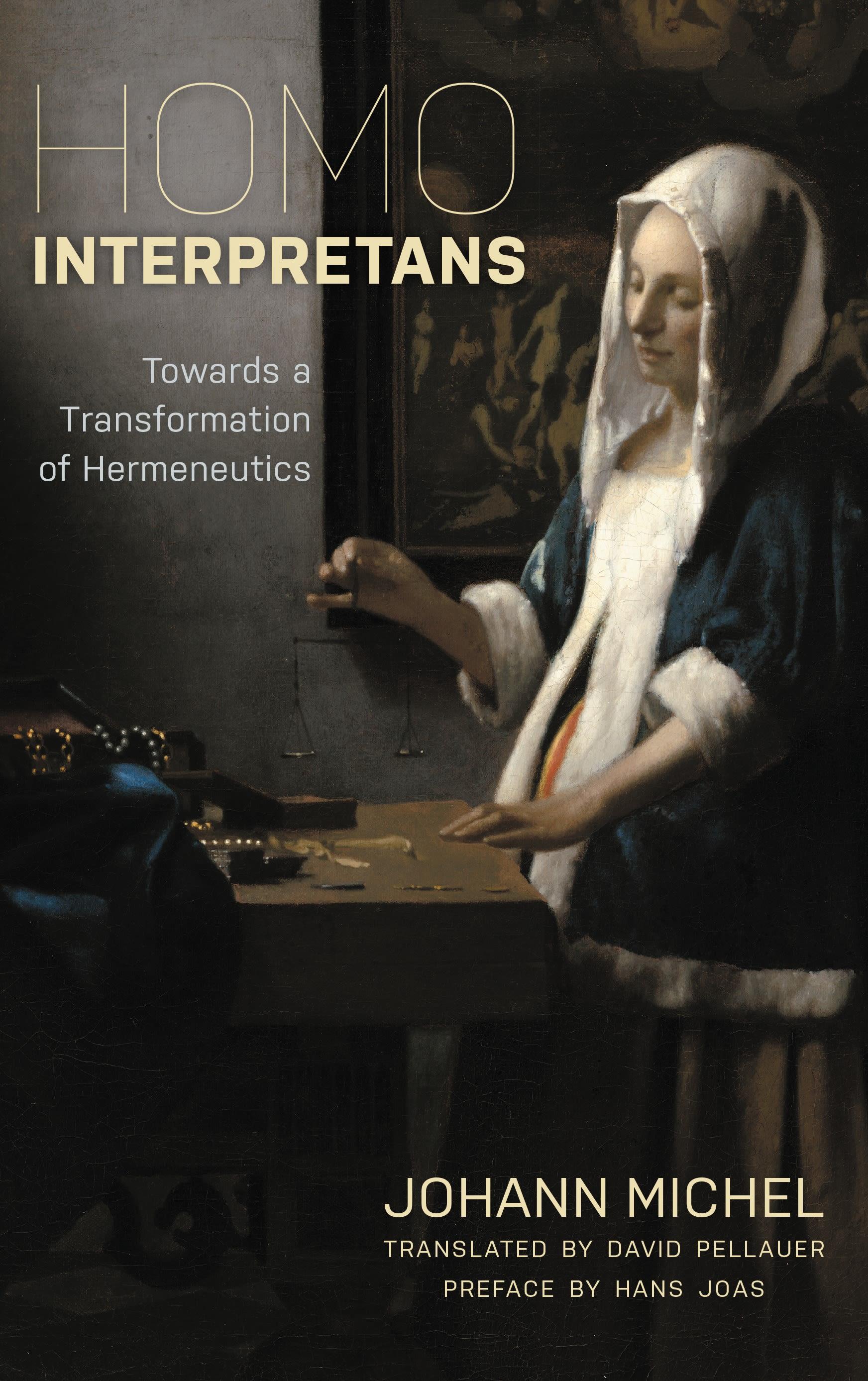
When do we interpret? That is the question at the heart of this important new work by Johann Michel. The human being does not spend his time interpreting in everyday life. We interpret when we are confronted with a blurred, confused, problematic sense. Such is the originality of the author's perspective which removes the anthropological interdict that has hampered hermeneutics since Heidegger. Michel proposes an anthropology of homo interpretans as the first and founding principle of fundamental ontology (relating to the meaning of being) as well as of the theory of knowledge (relating to interpretation in the human sciences). He argues that the root of hermeneutics lies in ordinary interpretative techniques (explication, clarification, unveiling), rather than as a set of learned technologies applied to specific fields (texts, symbols, actions).
Betala smidigt med kort, Klarna, Apple Pay eller Google Pay. Är du inte nöjd har du alltid 14 dagars ångerrätt. Läs mer i våra villkor. Har du några frågor, mejla oss på hello@memmo.org.
Memmo gör det enklare att plugga – var du än är i världen. Hos oss samlar du kursböcker och smarta studieverktyg på ett och samma ställe: sammanfattningar, quiz, poddar och flashcards. Och så Ted, din studiekompis som svarar på allt du undrar. Över 50 000 studenter pluggar redan här – byggt för att du ska lära dig snabbare och stressa mindre.