
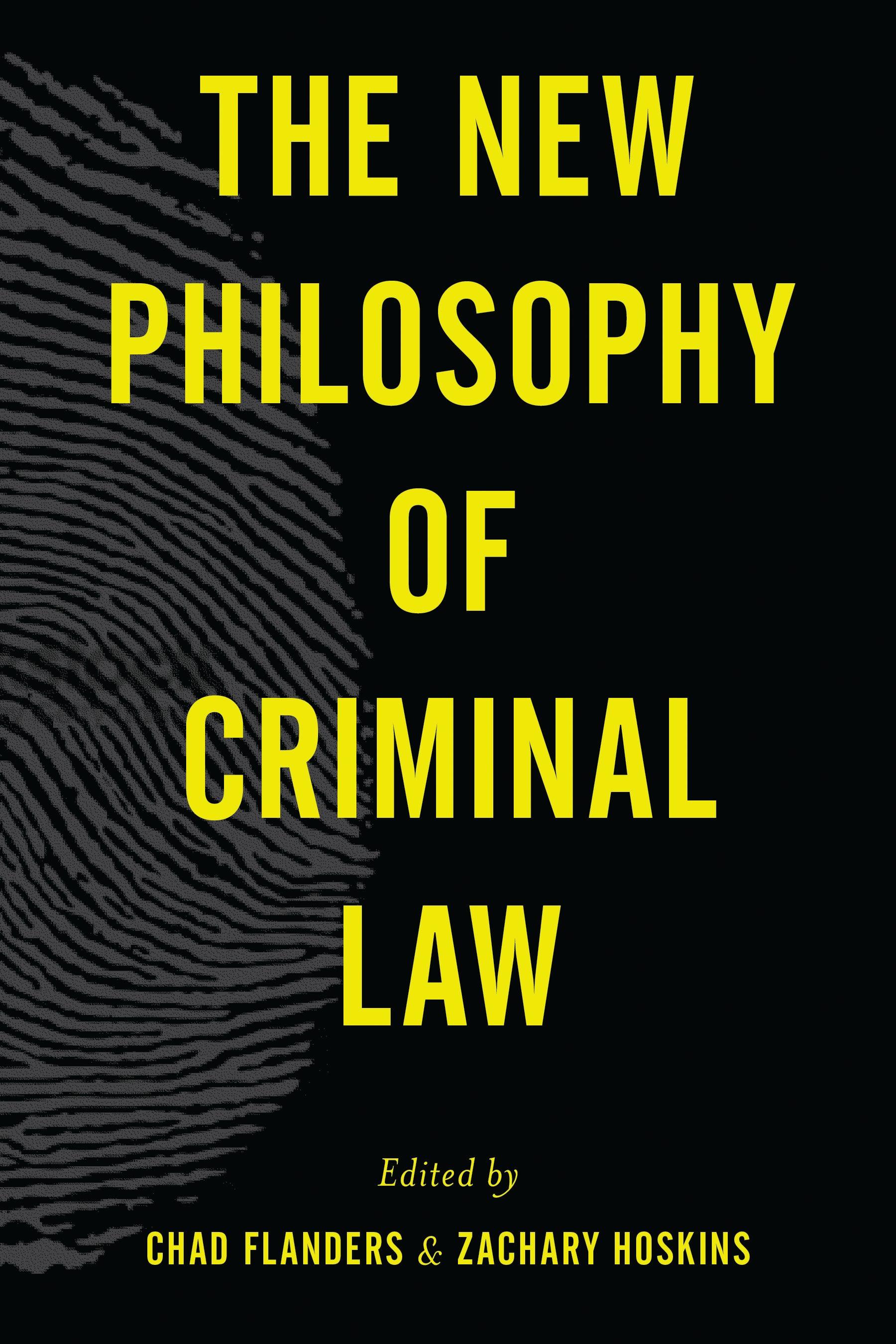
There is no more vivid example of a state’s power over its citizens than the criminal law. By criminalizing various behaviours, the state sets boundaries on what we can and cannot do. And the criminal law is in many ways unique in the harshness of its sanctions. But traditional criminal law theory has for too long focussed on the questions, “what is a crime?” and “what is the justification of punishment?” The significance of the criminal law extends beyond these questions; indeed, critical philosophical questions underlie all aspects of the criminal justice system. The criminal law engages us not just as offenders or potential offenders, but also as victims, suspects, judges and jurors, prosecutors and defenders—and as citizens.
The authors in this volume go beyond traditional questions to challenge our conventional understandings of the criminal law. In doing so, they draw from a number of disciplines including philosophy, history, and social science.
The authors in this volume go beyond traditional questions to challenge our conventional understandings of the criminal law. In doing so, they draw from a number of disciplines including philosophy, history, and social science.
Betala smidigt med kort, Klarna, Apple Pay eller Google Pay. Är du inte nöjd har du alltid 14 dagars ångerrätt. Läs mer i våra villkor. Har du några frågor, mejla oss på hello@memmo.org.
Memmo gör det enklare att plugga – var du än är i världen. Hos oss samlar du kursböcker och smarta studieverktyg på ett och samma ställe: sammanfattningar, quiz, poddar och flashcards. Och så Ted, din studiekompis som svarar på allt du undrar. Över 50 000 studenter pluggar redan här – byggt för att du ska lära dig snabbare och stressa mindre.