
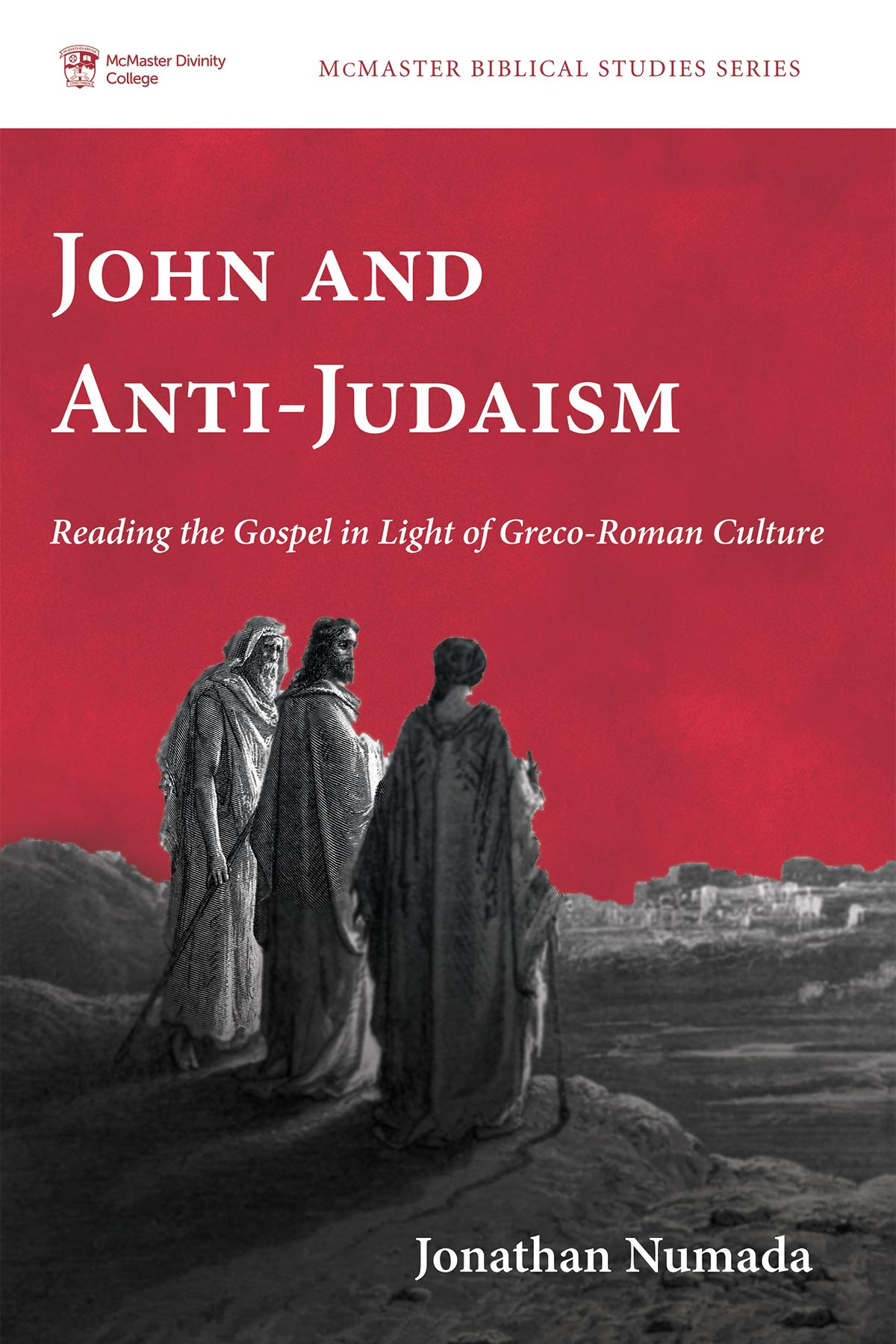
This study argues that the Gospel of John's anti-Judaism can be well understood from the perspective of trends apparent within the context of broader Greco-Roman culture. It uses the paradigm of collective memory and aspects of social identity theory and self-categorization theory to explore the theological and narrative functions of the Johannine Jews.
Relying upon a diverse range of historical testimony drawn from Greco-Roman literature, inscriptions, and papyri, this work attempts to understand the social identities and social locations of Diaspora Jews as a first step in reading John's Gospel in the context of the political and social instability of the first century CE. It then attempts to understand John's theology, its portrayal of Jewish social identity, and the narrative and theological functions of "the Jews" as a group character in light of this historical context. This work attempts to demonstrate that while John's treatment of Jews and Judaism is multivalent at both social and theological levels, it is primarily focused upon strengthening a Christologically centered Christian identity while attempting to mitigate the attractiveness of Judaism as a religious competitor.
Betala smidigt med kort, Klarna, Apple Pay eller Google Pay. Är du inte nöjd har du alltid 14 dagars ångerrätt. Läs mer i våra villkor. Har du några frågor, mejla oss på hello@memmo.org.
Memmo gör det enklare att plugga – var du än är i världen. Hos oss samlar du kursböcker och smarta studieverktyg på ett och samma ställe: sammanfattningar, quiz, poddar och flashcards. Och så Ted, din studiekompis som svarar på allt du undrar. Över 50 000 studenter pluggar redan här – byggt för att du ska lära dig snabbare och stressa mindre.
Du kanske också gillar
Köp boken0