
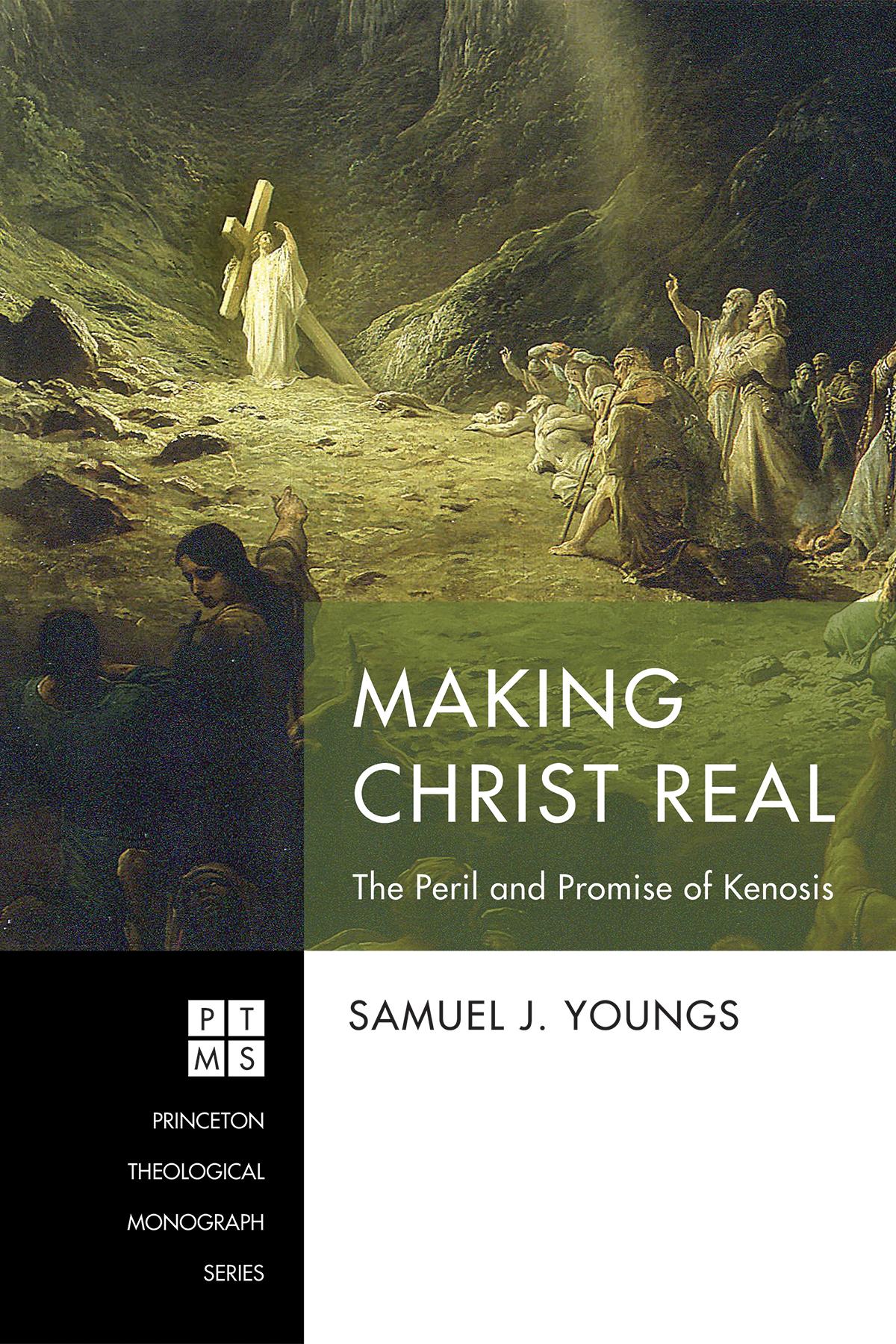
Kenosis, or self-emptying, poses a fundamental question to any theological discussion about Jesus Christ: "In becoming human, did God empty himself of any divine qualities?" Many variations on kenotic Christology have emerged over the past 200 years, most of them claiming to both preserve and highlight the true humanity and ecclesial significance of Jesus Christ.
While there is much to commend in these efforts, Samuel Youngs contends that nearly all such kenotic attempts have, against their best intentions, fallen into an echo chamber of abstraction and metaphor, rendering their talk about Jesus Christ and analysis of the Gospels fundamentally "unreal" and lacking in material significance for today's living church. Most fundamentally, many kenotic accounts pay inadequate attention to Christ's lived accomplishment, his current presence, and the modes of praxis that he makes real in the world.
In dialogue with the important movement known as Transformation Theology, Youngs unfolds a detailed critique of method and discourse in kenotic christologies. Turning then to the vibrant christological thought of Jurgen Moltmann, a different outlook on kenosis is articulated and defended, one that is relational, concrete, and praxiological.
Betala smidigt med kort, Klarna, Apple Pay eller Google Pay. Är du inte nöjd har du alltid 14 dagars ångerrätt. Läs mer i våra villkor. Har du några frågor, mejla oss på hello@memmo.org.
Memmo gör det enklare att plugga – var du än är i världen. Hos oss samlar du kursböcker och smarta studieverktyg på ett och samma ställe: sammanfattningar, quiz, poddar och flashcards. Och så Ted, din studiekompis som svarar på allt du undrar. Över 50 000 studenter pluggar redan här – byggt för att du ska lära dig snabbare och stressa mindre.
Du kanske också gillar
Köp boken0