
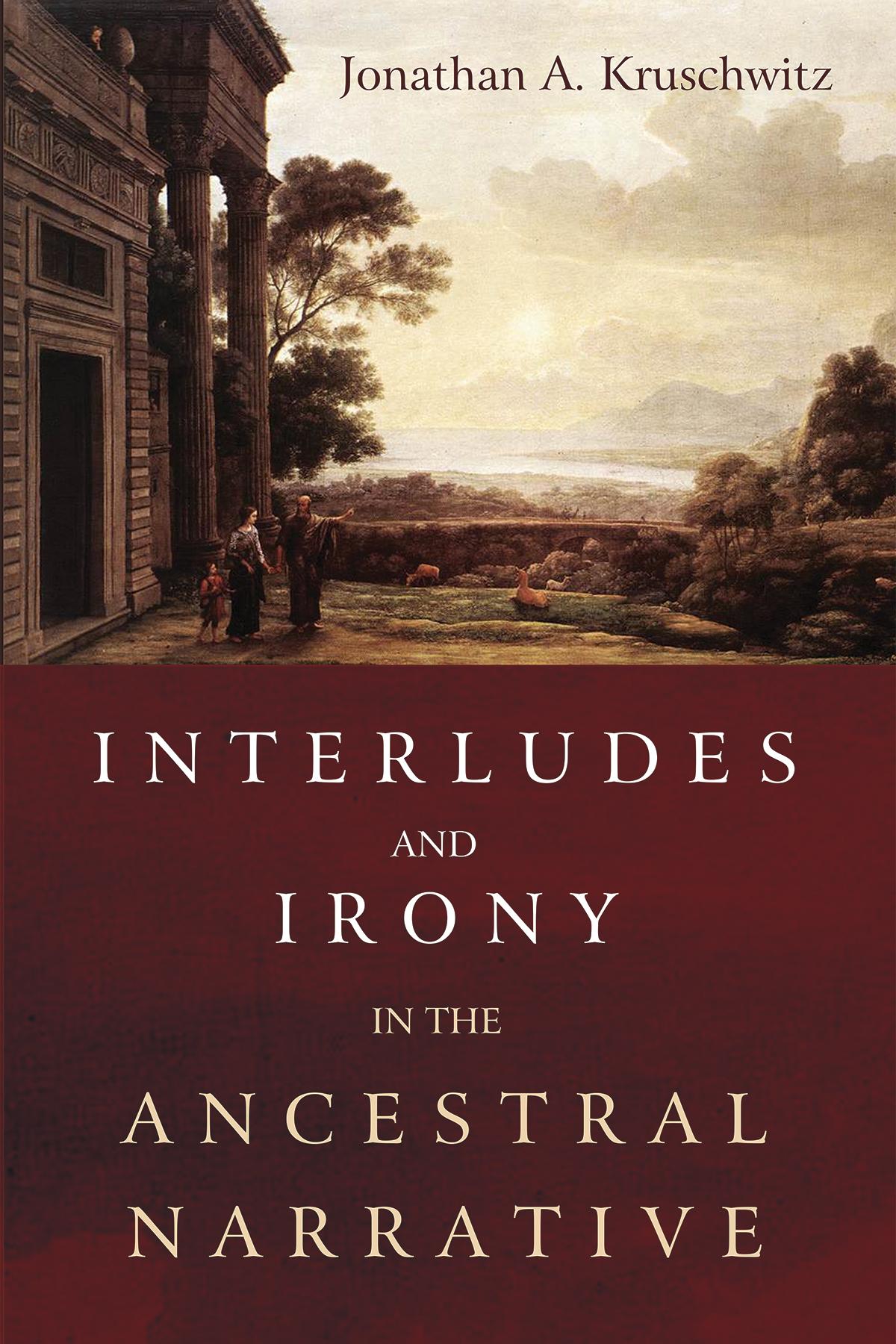
The stories of Hagar, Dinah, and Tamar stand out as strangers in the ancestral narrative. They deviate from the main plot and draw attention to the interests and fates of characters who are not a part of the ancestral family. Readers have traditionally domesticated these strange stories. They have made them "familiar"--all about the ancestral family. Thus Hagar's story becomes a drama of deselection, Shechem and the Hivites become emblematic for ancestral conflict with the people of the land, and Tamar becomes a lens by which to read providence in the story of Joseph.
This study resurrects the question of these stories' strangeness. Rather than allow the ancestral narrative to determine their significance, it attends to each interlude's particularity and detects ironic gestures made toward the ancestral narrative. These stories contain within them the potential to defamiliarize key themes of ancestral identity: the ancestral-divine relationship, ancestral relations to the land and its inhabitants, and ancestral self-identity. Perhaps the ancestral family are not the only privileged partners of God, the only heirs to the land, or the only bloodline fit to bear the next generation.
Betala smidigt med kort, Klarna, Apple Pay eller Google Pay. Är du inte nöjd har du alltid 14 dagars ångerrätt. Läs mer i våra villkor. Har du några frågor, mejla oss på hello@memmo.org.
Memmo gör det enklare att plugga – var du än är i världen. Hos oss samlar du kursböcker och smarta studieverktyg på ett och samma ställe: sammanfattningar, quiz, poddar och flashcards. Och så Ted, din studiekompis som svarar på allt du undrar. Över 50 000 studenter pluggar redan här – byggt för att du ska lära dig snabbare och stressa mindre.
Du kanske också gillar
Köp boken0