
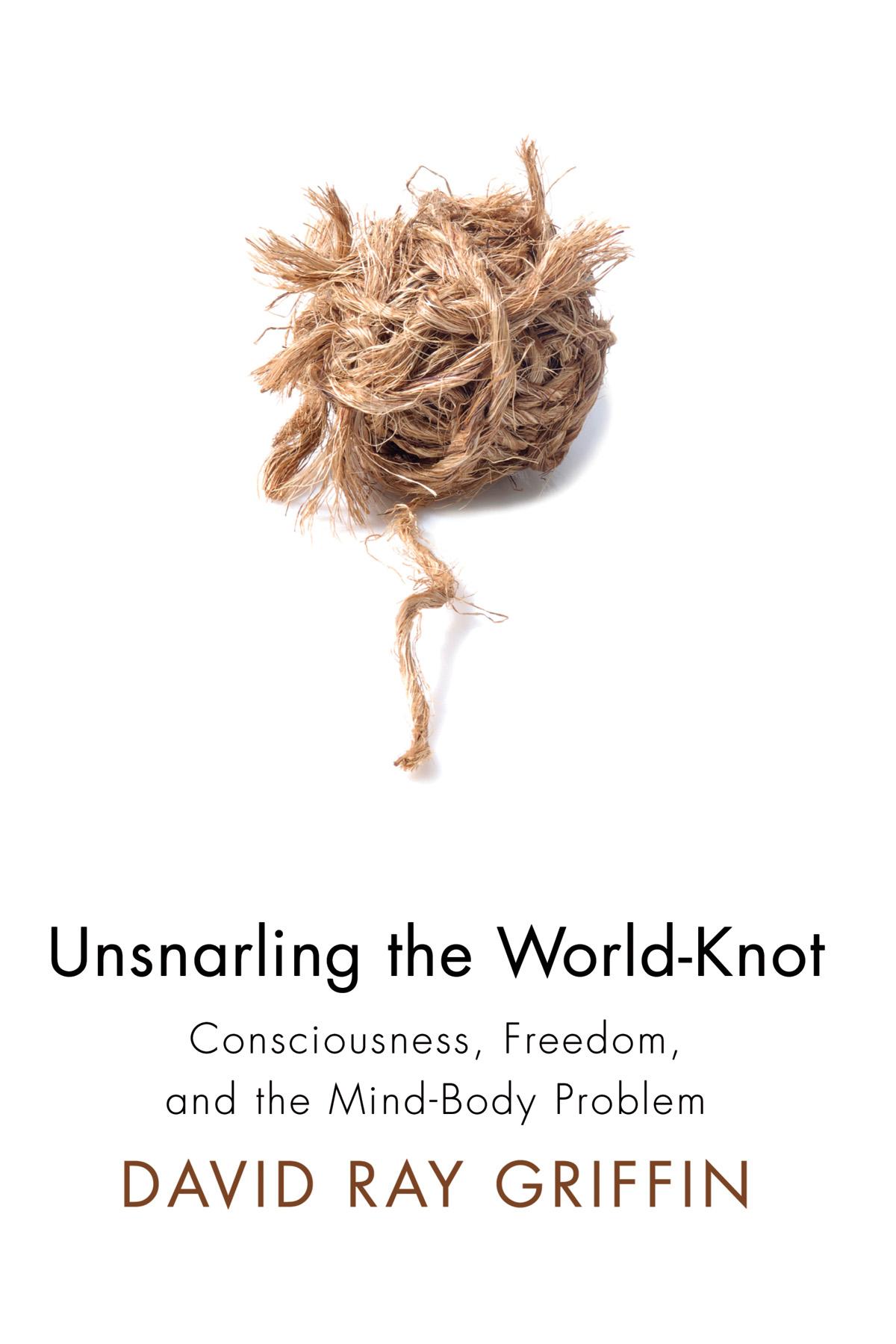
The mind-body problem, which Schopenhauer called the "world-knot," has been a central problem for philosophy since the time of Descartes. Among realists--those who accept the reality of the physical world--the two dominant approaches have been dualism and materialism, but there is a growing consensus that, if we are ever to understand how mind and body are related, a radically new approach is required.
David Ray Griffin develops a third form of realism, one that resolves the basic problem (common to dualism and materialism) of the continued acceptance of the Cartesian view of matter. In dialogue with various philosophers, including Dennett, Kim, McGinn, Nagel, Seager, Searle, and Strawson, Griffin shows that materialist physicalism is even more problematic than dualism. He proposes instead a panexperientialist physicalism grounded in the process philosophy of Alfred North Whitehead. Answering those who have rejected "panpsychism" as obviously absurd, Griffin argues compellingly that panexperientialism, by taking experience and spontaneity as fully natural, can finally provide a naturalistic account of the emergence of consciousness--an account that also does justice to the freedom we all suppose in practice.
Betala smidigt med kort, Klarna, Apple Pay eller Google Pay. Är du inte nöjd har du alltid 14 dagars ångerrätt. Läs mer i våra villkor. Har du några frågor, mejla oss på hello@memmo.org.
Memmo gör det enklare att plugga – var du än är i världen. Hos oss samlar du kursböcker och smarta studieverktyg på ett och samma ställe: sammanfattningar, quiz, poddar och flashcards. Och så Ted, din studiekompis som svarar på allt du undrar. Över 50 000 studenter pluggar redan här – byggt för att du ska lära dig snabbare och stressa mindre.
Du kanske också gillar
Köp boken0