
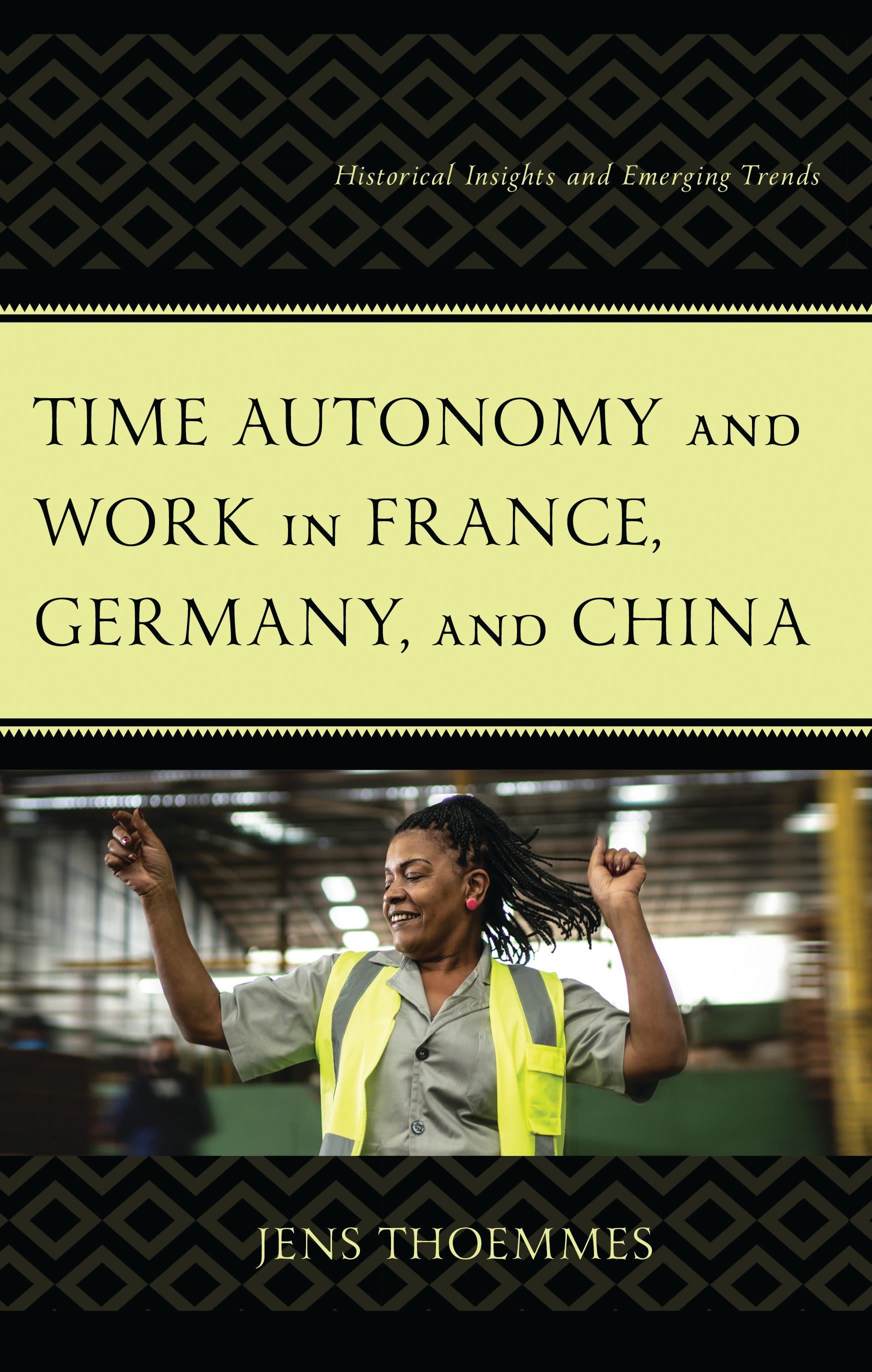
Drawing on case studies from France, Germany, and China, this book argues that the dynamic interactions between time and autonomy have fundamentally reshaped the evolution of work. Jens Thoemmes details how time autonomy transitioned from early efforts to reduce working hours to today’s complex debates about managing work time. Initially focused on reclaiming time from employers during the nineteenth century, time autonomy has broadened to encompass how work integrates into overall social time. Beginning in the late 1960s, new tools like flexitime, time-savings accounts, and telecommuting began aligning employee aspirations with production demands, marking a shift towards more flexible work arrangements. Placing work environments from France, Germany, and China in comparative perspective, this book explores the way time autonomy varies in different workplaces and socioeconomic contexts as well as the conditions, opportunities, and risks involved.
Betala smidigt med kort, Klarna, Apple Pay eller Google Pay. Är du inte nöjd har du alltid 14 dagars ångerrätt. Läs mer i våra villkor. Har du några frågor, mejla oss på hello@memmo.org.
Memmo gör det enklare att plugga – var du än är i världen. Hos oss samlar du kursböcker och smarta studieverktyg på ett och samma ställe: sammanfattningar, quiz, poddar och flashcards. Och så Ted, din studiekompis som svarar på allt du undrar. Över 50 000 studenter pluggar redan här – byggt för att du ska lära dig snabbare och stressa mindre.