
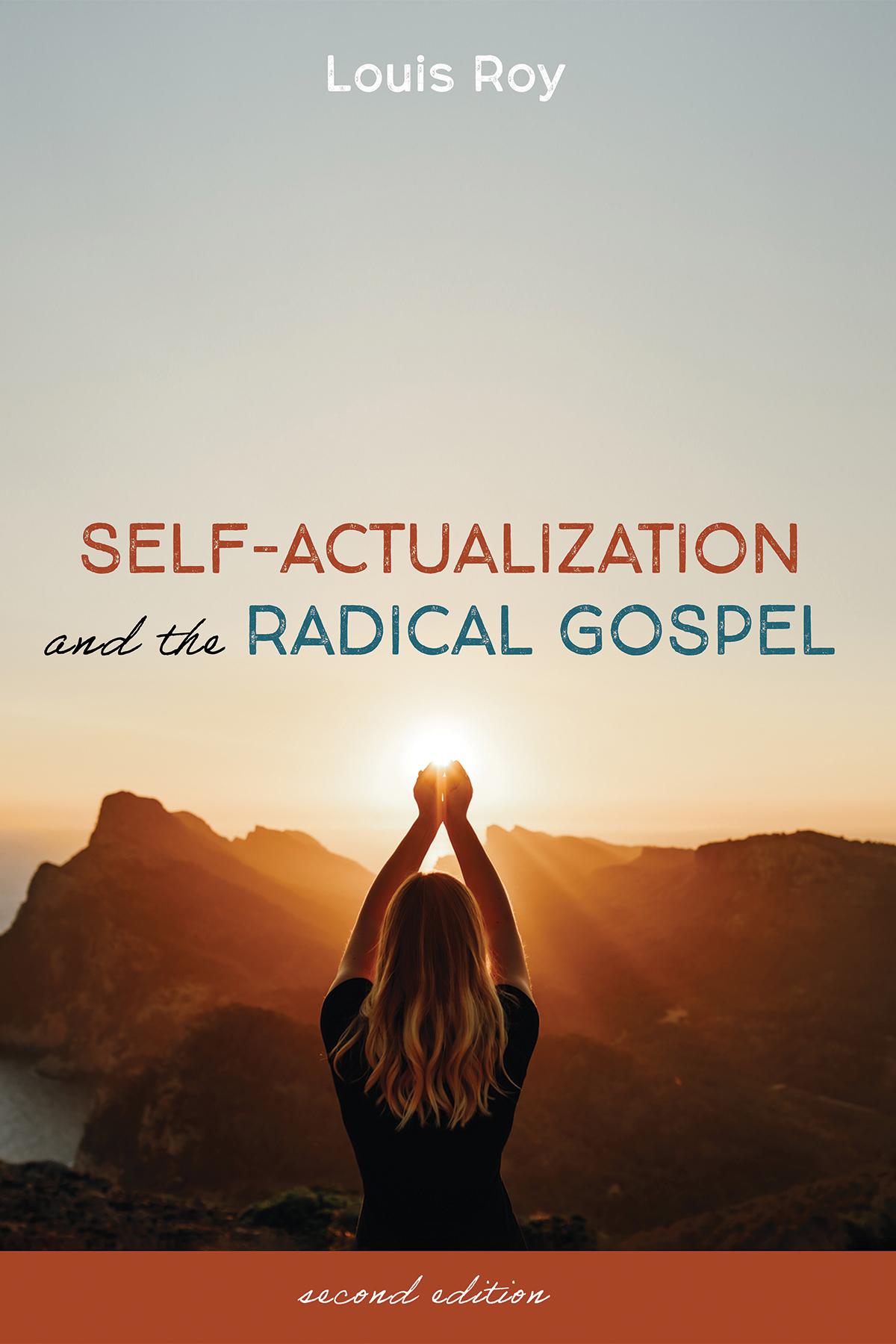
Can today's Christians reconcile a belief in self-actualization with the extreme ethical demands of the New Testament? The author argues that they can, although not easily, and that the felt uneasiness between two concerns--self-fulfillment and self-gift--may generate a healthy tension.
There is then an apparent mismatch between two views of ethics. On the one hand, psychological humanism is based on self-affirmation, acceptance of one's limitations, moderation, and the search for a quality of life in the midst of globalization. On the other hand, the radicalism of the gospel emphasizes passion (in the two senses of this word), self-transcendence towards the infinite, and generosity for God and others. Nonetheless, these two tendencies are neither incompatible nor easily reconcilable.
The book uncovers both the pitfalls of self-actualization and the misleading interpretations that have disfigured the radical gospel. It highlights the developmental factors, views of human life, successes, and failures which play a considerable role in a person's journey. It brings psychological, biblical, philosophical, theological, and pastoral clarifications to bear on the issues. This book will help its readers to grasp what a psychologically informed Christian ethic can be, both intellectually and practically.
Betala smidigt med kort, Klarna, Apple Pay eller Google Pay. Är du inte nöjd har du alltid 14 dagars ångerrätt. Läs mer i våra villkor. Har du några frågor, mejla oss på hello@memmo.org.
Memmo gör det enklare att plugga – var du än är i världen. Hos oss samlar du kursböcker och smarta studieverktyg på ett och samma ställe: sammanfattningar, quiz, poddar och flashcards. Och så Ted, din studiekompis som svarar på allt du undrar. Över 50 000 studenter pluggar redan här – byggt för att du ska lära dig snabbare och stressa mindre.
Du kanske också gillar
Köp boken0