
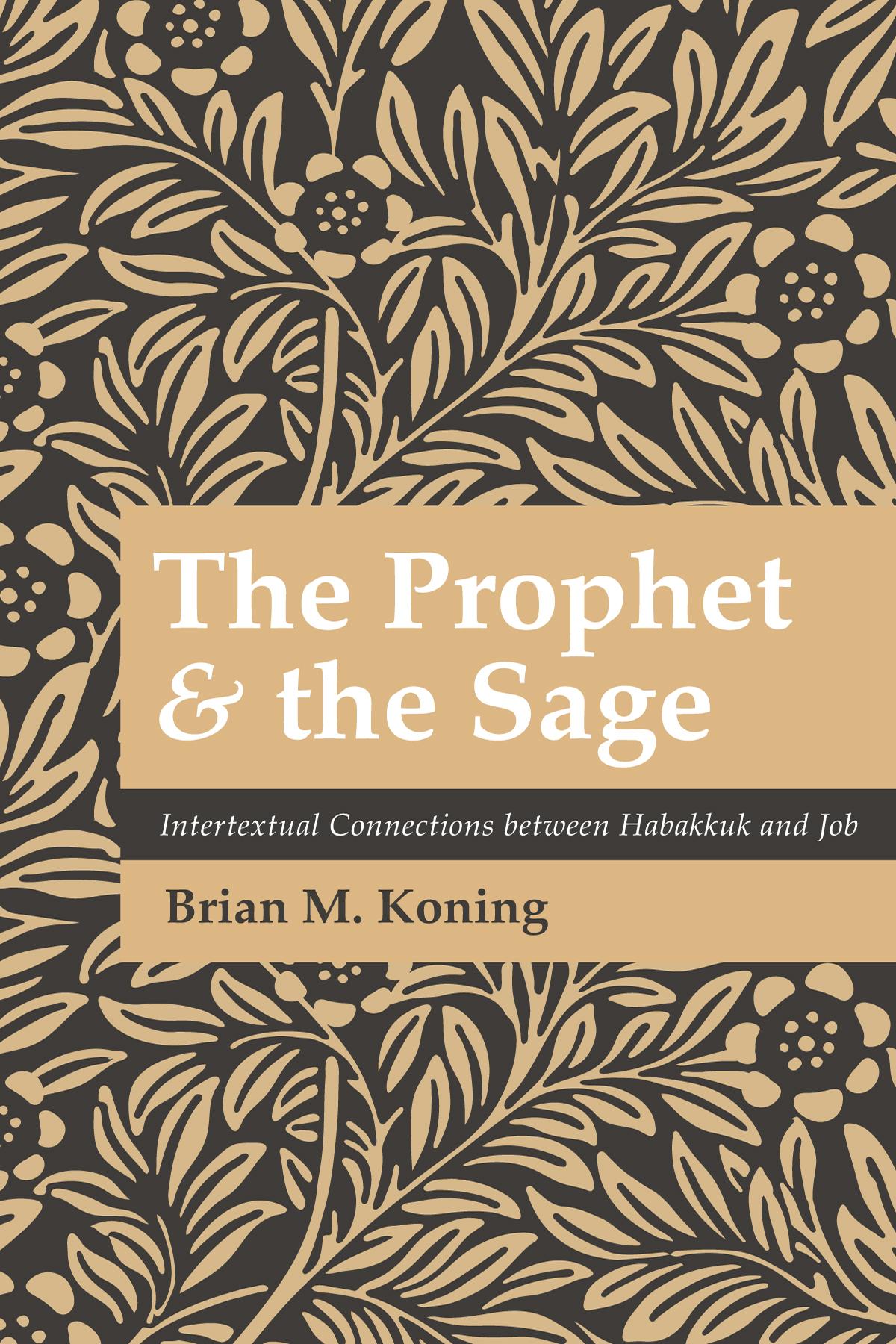
Job and Habakkuk represent the Bible's most focused interlocutors on the concepts of justice and theodicy. Both works center upon men chosen by God who see and suffer evil (Job 1:8, cf. Hab 1:1). Both books record the cries of these men as they wrestled to make sense of the world in which they lived (Job 3, cf. Hab 1:2-4). While they have a passing similarity, what if there is something more fundamental to their connection? What if these books are not merely two unconnected discourses on suffering, but linked in a significant way? By examining the texts themselves, this study explores the possibility that a textual relationship exists between portions of Habakkuk and Job and how the underlying transformation of Job's theodicy shapes Habakkuk's dialogue with God.
Betala smidigt med kort, Klarna, Apple Pay eller Google Pay. Är du inte nöjd har du alltid 14 dagars ångerrätt. Läs mer i våra villkor. Har du några frågor, mejla oss på hello@memmo.org.
Memmo gör det enklare att plugga – var du än är i världen. Hos oss samlar du kursböcker och smarta studieverktyg på ett och samma ställe: sammanfattningar, quiz, poddar och flashcards. Och så Ted, din studiekompis som svarar på allt du undrar. Över 50 000 studenter pluggar redan här – byggt för att du ska lära dig snabbare och stressa mindre.
Du kanske också gillar
Köp boken0