
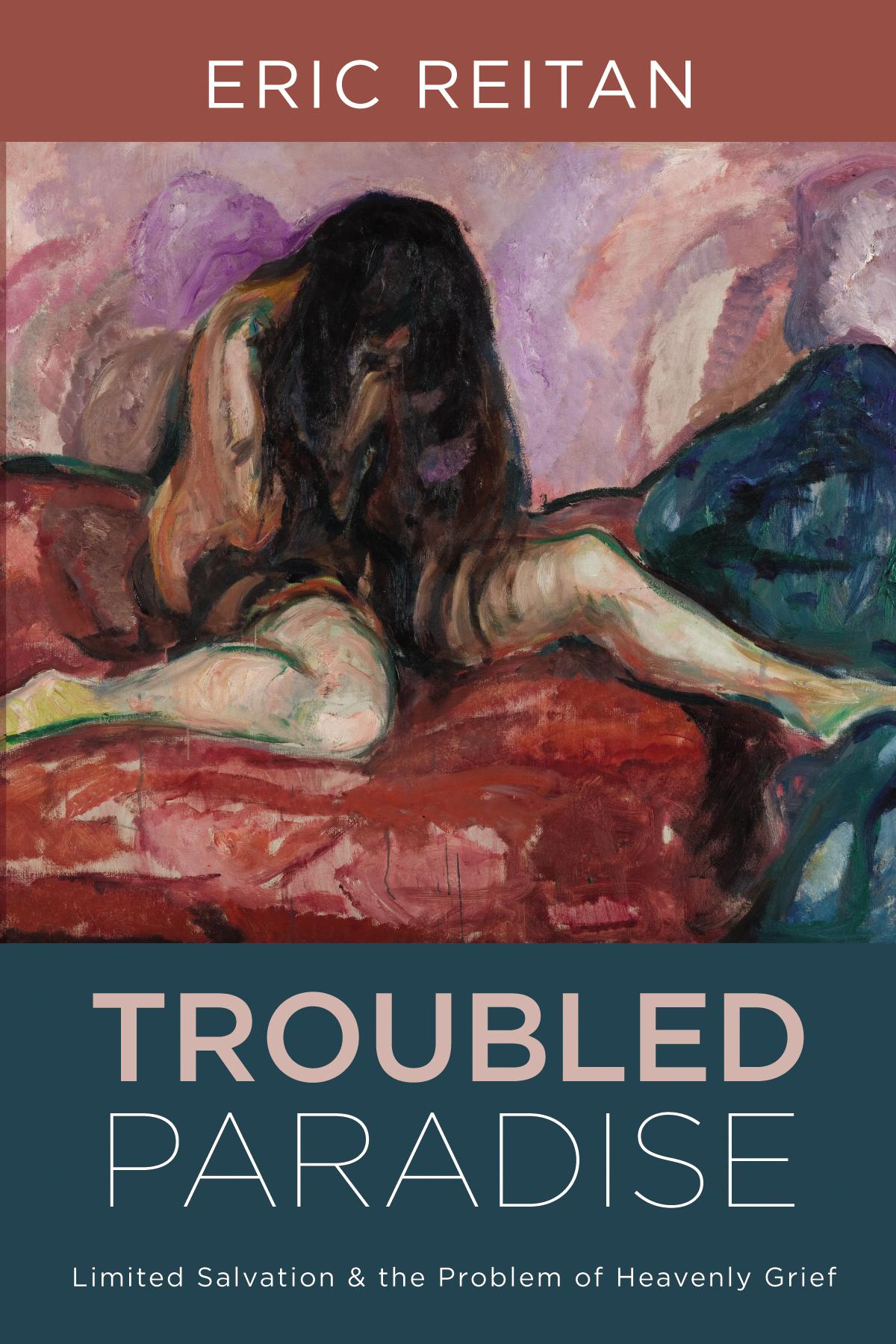
Grief over the loss of those we love is one of the most painful parts of life. But Christianity has long offered consolation to those who grieve in the form of the Easter promise. Death is not the end. Beyond it lies a realm of perfect joy, where mourning is no more and every tear is wiped away. But won't this promise have limits if, as Christians have traditionally believed, some of God's creatures are eternally lost? Can I really be perfectly happy in heaven if, say, my children are damned or annihilated? And what about the Christian teaching that those in heaven are morally sanctified? Doesn't this mean they will be perfected in a love so wide it includes even our enemies--and hence the lost? While delving deeply into the nature of grief and its relation to Christian ethics, this book explores the reasoning that generates this "problem of heavenly grief," examines purported solutions, and invites deeper reflection on a frequently dismissed idea that avoids the problem altogether: the universalist notion that there are no limits to Easter's promise because all are ultimately saved.
Betala smidigt med kort, Klarna, Apple Pay eller Google Pay. Är du inte nöjd har du alltid 14 dagars ångerrätt. Läs mer i våra villkor. Har du några frågor, mejla oss på hello@memmo.org.
Memmo gör det enklare att plugga – var du än är i världen. Hos oss samlar du kursböcker och smarta studieverktyg på ett och samma ställe: sammanfattningar, quiz, poddar och flashcards. Och så Ted, din studiekompis som svarar på allt du undrar. Över 50 000 studenter pluggar redan här – byggt för att du ska lära dig snabbare och stressa mindre.
Du kanske också gillar
Köp boken0